Description
The Amber Museum stands as one of those remarkable places where history, geology, and artistry come together in ways you probably didn’t expect. I’ll be honest – when I first heard about a museum dedicated entirely to amber, I thought it might be a bit niche. But there’s something genuinely captivating about walking through corridors filled with pieces of fossilized resin that have preserved moments from millions of years ago.
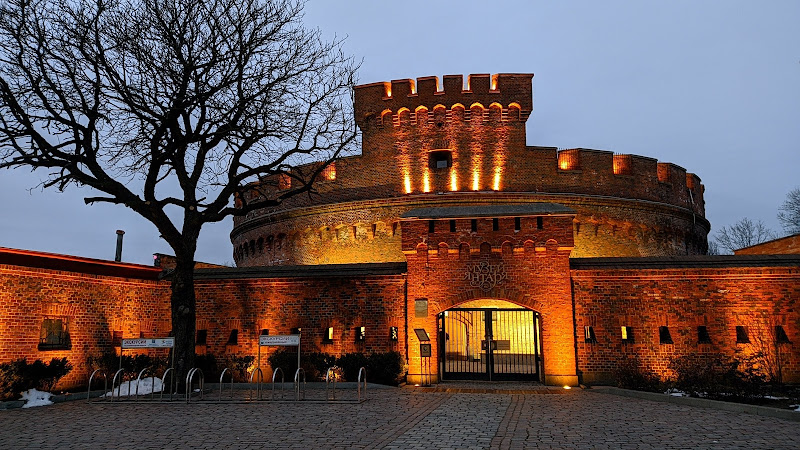
Housed within the walls of a 19th-century fort, the museum itself is already worth the visit before you even consider what’s inside. The building carries that unmistakable weight of history, with thick walls and architectural details that transport visitors back to another era. And then you step inside to discover an extraordinary collection of Baltic amber jewelry spanning from the 4th century BC all the way to contemporary pieces that modern artisans are creating today.
The Baltic region has been famous for its amber since ancient times – traders from across Europe and beyond once traveled dangerous routes just to get their hands on this “gold of the north.” The museum captures this legacy beautifully, showing how different cultures and time periods have valued and worked with this unique material. You’ll see everything from ancient amulets that were believed to have protective powers to elaborate Victorian-era jewelry that showcased the craftsmanship of master jewelers.
What strikes most visitors is the sheer variety on display. Some amber pieces are clear and golden, while others contain perfectly preserved insects, plant matter, or air bubbles that have remained unchanged for millennia. There’s something almost magical about peering at a mosquito that got trapped in tree resin before humans even walked the earth.
The fort setting adds an unexpected dimension to the experience. Military architecture might seem like an odd choice for displaying delicate jewelry, but somehow it works. The contrast between the fortress’s sturdy, defensive purpose and the amber’s ancient, organic beauty creates a memorable atmosphere that you won’t find in more conventional museum buildings.
Key Features
The Amber Museum offers several distinctive elements that make it stand out among European cultural attractions:
• An extensive chronological collection spanning over 2,400 years of amber craftsmanship, from ancient times through medieval periods to contemporary artistic creations
• Spectacular pieces containing inclusions – prehistoric insects, plants, and other organic matter perfectly preserved within the amber for millions of years
• Educational displays explaining the geological formation of amber, its historical trade routes, and its cultural significance across different civilizations
• Live performances that bring additional cultural context to your visit, though schedules vary throughout the year
• The unique 19th-century fort architecture that serves as the museum’s home, providing a historical backdrop that’s worth exploring in its own right
• A well-stocked souvenir shop where visitors can purchase authentic amber pieces, from simple pendants to more elaborate jewelry designs
• Family-friendly exhibits with information presented in accessible ways that engage younger visitors without dumbing down the content
• Wheelchair accessible facilities ensuring the museum welcomes all visitors regardless of mobility considerations
• Restroom facilities available throughout the museum complex
• Onsite services that enhance the overall visitor experience
Best Time to Visit
Timing your visit to the Amber Museum can make a real difference in your experience, and I’ve learned this the hard way at various attractions over the years. Summer months from June through August naturally draw the largest crowds – families on vacation, cruise ship passengers, and tourists from around the world all converge during this period. If you don’t mind shoulder-to-shoulder viewing and queues at popular exhibits, summer offers the advantage of extended opening hours and the best weather for exploring the surrounding area afterward.
But here’s what many guidebooks won’t tell you: late spring (April and May) and early autumn (September and October) are genuinely superior times for a museum visit. The crowds thin out considerably, giving you space to linger at displays that catch your interest. You can actually take your time photographing pieces without someone’s elbow constantly appearing in your frame. The mild weather during these shoulder seasons also makes the walk to and around the fort building more pleasant.
Winter visits have their own charm, though you need to come prepared for cold weather. The fortress architecture takes on a different character in winter months, and the amber’s warm golden tones feel especially welcoming against grey winter days. Plus, you’ll practically have the place to yourself on weekday mornings between November and March. Just check opening hours carefully, as some museums reduce their schedules during off-season months.
Weekday mornings year-round tend to be quieter than afternoons and weekends. If you can arrange your itinerary to arrive right when doors open, you’ll enjoy a more contemplative experience. The museum sees a noticeable uptick in visitors after lunch and throughout weekends when local families join the tourist crowds.
Consider coordinating your visit with any special exhibitions or live performance schedules. These events can enrich your understanding of amber’s cultural significance, though they’ll also attract additional visitors. Check ahead if you’re planning around specific programs.
How to Get There
Getting to the Amber Museum is relatively straightforward once you understand the local transportation options. The museum sits within reasonable distance of the city center, making it accessible through multiple methods depending on your preferences and budget.
Public transportation offers the most economical approach. Several bus and tram lines serve stops within walking distance of the museum. Local transit systems in Baltic cities are generally reliable and safe, though they can get crowded during rush hours. Purchase tickets before boarding – most cities have moved to systems where you buy from kiosks or mobile apps rather than from drivers. The walk from the nearest stop to the museum entrance takes about five to ten minutes through areas that are safe and well-traveled.
Taxis and ride-sharing services provide door-to-door convenience at reasonable rates compared to many Western European destinations. If you’re traveling with family or have mobility concerns, this option eliminates the navigation stress. Just make sure your driver understands you want the Amber Museum specifically – some cities have multiple amber-related shops and attractions that can cause confusion.
Many visitors combine the museum with walking tours of the historic district. If you’re staying in the old town area, the walk takes perhaps 20-30 minutes depending on your pace and how often you stop to admire architecture along the way. The route itself offers pleasant views and photo opportunities, making the journey part of the experience rather than just transit time.
For those renting cars, parking exists near the museum though spaces can be limited during peak season. Read parking signs carefully – European parking regulations can be strict, and tickets are expensive. Some visitors find the hassle of urban driving and parking outweighs the convenience, especially since public transit works well.
Organized tours often include the Amber Museum as part of city highlights packages. This works well if you prefer structured experiences with guide commentary, though you’ll have less freedom to explore at your own pace. Group tours typically allocate 60-90 minutes for the museum, which feels rushed if you’re genuinely interested in the subject matter.
Tips for Visiting
After visiting numerous museums across Europe, I’ve picked up some practical wisdom that applies particularly well to the Amber Museum. First thing – photography policies. Most areas allow photos without flash, but verify current rules at the entrance. The lighting can be tricky for photography since many displays are backlit to show amber’s translucency. Your phone camera might struggle, so adjust expectations accordingly.
Plan to spend at least two hours if you want to properly appreciate the collection. Yes, you could rush through in 45 minutes, but you’d be missing the point. Some of the most fascinating pieces are easy to overlook if you’re just hitting the highlights. The prehistoric inclusions particularly deserve close examination – bring reading glasses if you need them for small details.
The museum’s location in a fortress means lots of stairs and uneven surfaces despite wheelchair accessibility at the entrance. Wear comfortable shoes with good support. Those Instagram-worthy heels will become instruments of torture halfway through your visit. Trust me on this.
Audio guides or guided tours add tremendous value if you’re not already familiar with amber’s history and properties. The visual displays are impressive, but understanding the context – the ancient trade routes, the chemical composition, the cultural beliefs surrounding amber – transforms the experience from “pretty rocks” to genuine historical appreciation.
Visit the souvenir shop, even if you’re not typically a museum shop person. The amber pieces available for purchase are authentic and reasonably priced compared to jewelry shops in tourist areas. Staff can explain quality differences and help you understand what you’re buying. Just remember that genuine Baltic amber has specific characteristics – if a price seems too good to be true, you’re probably looking at imitation material.
Families with kids should take advantage of the child-friendly exhibits, though very young children might get restless after an hour. The museum works well for kids roughly ages 7 and up who can appreciate the “wow factor” of insects preserved in amber and enjoy the fortress setting. Bring small snacks since there’s no restaurant onsite – museum rules typically allow discrete snacking in designated areas.
Check whether live performances are scheduled during your visit. These cultural programs happen periodically and provide entertainment value beyond the exhibits themselves. Performance schedules aren’t always prominently advertised, so specifically ask when purchasing tickets.
The museum’s 19th-century fort architecture means climate control isn’t modern-building perfect. Layers work better than a single heavy jacket since internal temperatures vary between rooms. Some gallery spaces feel quite cool while others are warmer.
Allow buffer time in your schedule for the souvenir shop and any outdoor exploration of the fort grounds. The architecture and fortifications themselves merit attention, and you’ll want a few minutes to decompress and process what you’ve seen before rushing off to your next destination.
Finally, manage your expectations realistically. The Amber Museum is genuinely interesting and well-curated, but it’s not the Louvre or British Museum. It’s a specialized collection focused on one material and its cultural history. If you approach it with appropriate expectations – a chance to learn about something specific rather than see thousands of varied artifacts – you’ll likely leave impressed and satisfied with time well spent.