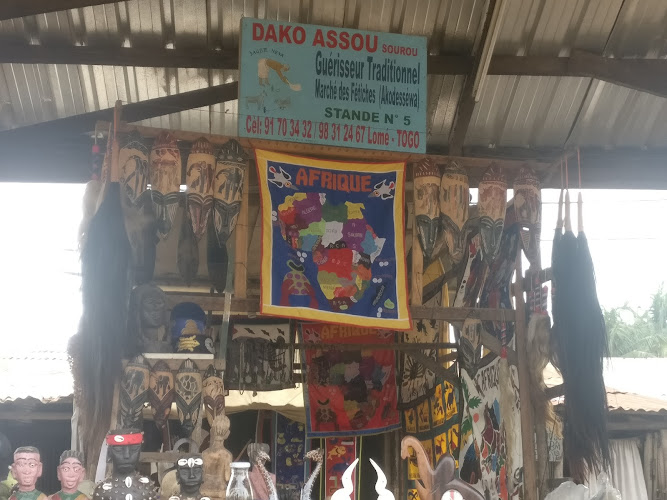
But that’s exactly what makes it so fascinating. This open-air market, often called the world’s largest voodoo market, is a living, breathing hub of West African spirituality. It’s a place where ancient beliefs still shape daily life, where the line between the physical and the spiritual world feels paper-thin. If you’ve ever been curious about voodoo — or vodún, as it’s traditionally known — this is where you’ll see it in its truest form.
Walking through the market, the first thing that hits you is the smell — earthy, smoky, and a little sharp from the dried herbs and animal parts laid out on wooden tables. You’ll see everything from monkey skulls to crocodile heads, dried chameleons, and even talismans said to bring luck or protection. For locals, these aren’t strange decorations; they’re sacred tools used in rituals that have been practiced for centuries. And while some visitors might find it uncomfortable, others describe it as deeply moving — a rare glimpse into a culture that still honors its ancestral roots.
Guided tours are available, and honestly, that’s the best way to experience it. The guides, often practitioners themselves, explain the meaning behind the objects and rituals. It’s not about superstition; it’s about connection — to nature, to spirits, to community. I remember chatting with one priest who told me that every item here has a purpose, every ritual a story. He wasn’t trying to sell me anything; he just wanted me to understand. That’s the kind of moment that stays with you long after you’ve left.
Key Features
It’s worth mentioning that while the market can be confronting, it’s not meant to shock. It’s a place of healing and faith. The use of animal parts, for example, is tied to ancient traditions where every part of nature has spiritual energy. Whether you agree with it or not, it’s impossible not to respect the depth of belief behind it.
Best Time to Visit
The market is open year-round, but if you want to make the most of your visit, aim for the dry season — roughly from November to April. The weather is more comfortable, and the roads are easier to navigate. Early mornings tend to be less crowded, giving you more time to talk with vendors and priests without the bustle of midday traffic. I once went during the rainy season, and while the atmosphere was moody and cinematic (think mist rising over rows of charms and skulls), the mud made getting around tricky. So yeah, dry season wins for convenience.
For those interested in seeing the market at its liveliest, plan your trip around local festivals or voodoo ceremonies. These events often bring practitioners from across West Africa, and the energy is electric — drumming, chanting, and dancing that seem to pulse right through you. Just remember, it’s not a show for tourists; it’s a sacred tradition. Approach it with respect, and you’ll be welcomed warmly.
How to Get There
Akodessewa Fetish Market is located in the Akodessewa district of Lomé, the capital of Togo. If you’re staying in the city center, it’s just a short drive away — about 15 to 20 minutes, depending on traffic. The easiest way to get there is by taxi or a local moto-taxi (if you’re feeling adventurous). Most drivers know exactly where it is; just mention “Marché des Fétiches” and they’ll nod knowingly.
Public transportation is available, but it can be a bit confusing if you’re new to the area. I’d recommend hiring a local guide or driver for the day. Not only will it save you time, but they can also help you navigate the market’s etiquette — like when it’s okay to take photos or how to greet a priest properly. Plus, having someone who speaks the local languages (Ewe or French) can make interactions smoother and more meaningful.
For those crossing from neighboring Ghana, the market is only about an hour’s drive from the border at Aflao. Many travelers make it a day trip from Accra, though staying overnight in Lomé gives you more time to explore the city’s other gems — the beach, the independence monument, and the lively local markets.
Tips for Visiting
Visiting Akodessewa Fetish Market isn’t like strolling through a souvenir bazaar. It’s a spiritual space, and a bit of cultural sensitivity goes a long way. Here are some tips to help you make the most of it:
- Go with an open mind: Some sights might be shocking, especially if you’re not used to seeing animal remains. Remember, these practices are rooted in centuries of tradition and belief.
- Hire a guide: Seriously, this makes all the difference. A good guide can translate, explain rituals, and introduce you to practitioners in a respectful way.
- Ask before taking photos: Many vendors and priests prefer privacy, especially during rituals. Always ask for permission first — it’s just good manners.
- Bring small cash: Most items are reasonably priced, but bargaining is part of the experience. Having local currency makes transactions smoother.
- Respect local customs: Avoid touching objects unless invited to. Some items are sacred and not meant to be handled casually.
- Be cautious about purchases: While it’s tempting to buy charms or fetishes, think about what you’re bringing home. Some items may not pass through customs easily.
- Stay hydrated and wear light clothing: Lomé can get hot, and the market has little shade. A hat and water bottle will be your best friends.
- Learn a few local phrases: A simple “Bonjour” or “Akpe” (thank you in Ewe) goes a long way in showing respect.
And here’s a personal tip — take a few minutes to just stand still and absorb the atmosphere. The sounds of drumming in the distance, the low hum of conversation, the smell of herbs and incense — it all weaves together into something that feels ancient and alive. I remember leaving the market feeling both humbled and oddly uplifted, like I’d glimpsed a world that still believes in the unseen forces that shape our lives. It’s not a place for everyone, but for those who seek authenticity and depth in their travels, Akodessewa Fetish Market is unforgettable.
At the end of the day, this isn’t just a market — it’s a mirror reflecting the spiritual heartbeat of Togo and much of West Africa. Whether you’re a curious traveler, a photographer chasing raw human stories, or someone searching for deeper cultural understanding, Akodessewa offers an experience that’s as real as it gets. Just go with respect, curiosity, and an open heart — and you’ll walk away with far more than just memories.
 Real Journey Travels