Description
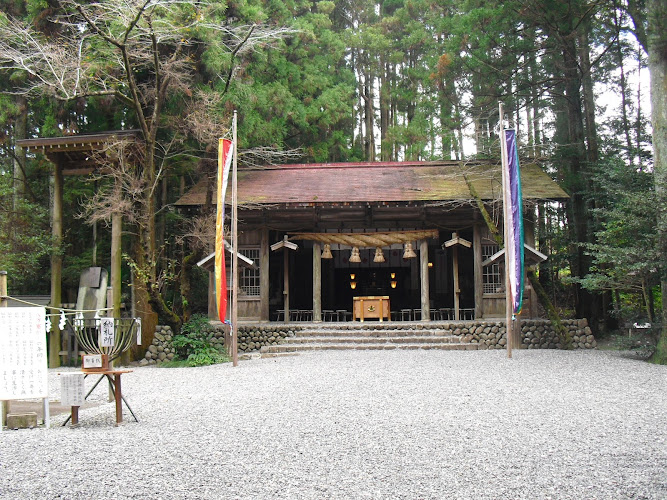
The shrine itself is smaller than its upper counterpart on the mountain, but that’s part of its charm. It feels approachable, almost like a local secret, even though it has a long history and cultural significance. Some travelers rave about the peaceful atmosphere and the traditional wooden architecture, while others find it a bit underwhelming compared to larger, more ornate shrines. Honestly, both perspectives are fair. If you’re expecting grand spectacle, you might walk away thinking it’s “just another shrine.” But if you’re the kind of person who enjoys soaking in atmosphere, listening to the wind in the trees, and imagining the centuries of people who’ve walked the same steps, then it’s a gem.
I remember my first visit—after climbing the stairs, I sat down on a bench near the main hall and just listened. The cicadas in summer were deafening, but somehow it added to the sense of being wrapped up in nature. It’s not a place that tries to impress you with size; it draws you in with its quiet persistence. And that’s what makes it worth the detour.
Best Time to Visit
The shrine can be visited year-round, but each season brings a different flavor. Spring is lovely with fresh greenery and mild weather, perfect for the uphill walk. Summer can be hot and humid, but the forest provides shade, and if you don’t mind the cicadas, it’s surprisingly atmospheric. Autumn is arguably the best time—the leaves turn shades of red and orange, framing the shrine beautifully. Winter is quiet, and while the trees are bare, there’s a stark beauty in the simplicity. Personally, I’d recommend autumn. The colors add a layer of magic that makes the climb feel special, and the air is crisp enough to keep the walk comfortable.
How to Get There
Getting to the Shimosha requires a bit of planning, as it’s tucked away in the Tenryū ward of Hamamatsu. The easiest way is by car, since public transportation options can be limited and time-consuming. If you’re already in Hamamatsu city, the drive takes about an hour, winding through scenic countryside roads. For those relying on trains and buses, you’ll need to get to a nearby station and then catch a local bus or taxi. It’s not the most straightforward journey, but that’s part of why the shrine feels so removed from the bustle. When you finally arrive, the sense of accomplishment makes the visit feel more rewarding.
Tips for Visiting
First and foremost, wear comfortable shoes. The stairs aren’t endless, but they’re enough to make you regret flimsy footwear. Bring water, especially in summer, because the uphill walk can be sweaty business. If you’re into photography, try visiting in the morning when the light filters through the trees—it gives the shrine a soft, almost ethereal look. And don’t rush. Half the charm of this place is the walk itself, so give yourself time to pause and take it in.
Also, keep in mind that the area isn’t packed with shops or cafes. This isn’t the kind of shrine where you’ll find souvenir stalls or street food vendors. If you want snacks or drinks, bring them along, but remember to be respectful and not eat within the sacred grounds. Restrooms are available, which is a small blessing after the climb. Accessibility is limited—there’s no wheelchair access, and the stairs make it tricky for anyone with mobility issues.
One more thing: be mindful of expectations. This isn’t Tokyo’s Meiji Shrine or Kyoto’s Fushimi Inari. It’s quieter, more modest, and more about the setting than the spectacle. If you go in with that mindset, you’ll likely find yourself charmed. I like to think of it as a place that rewards those who appreciate subtlety. And if you’re lucky enough to be there when the wind picks up and rustles through the trees, you’ll understand why people have been climbing up here for over a thousand years.