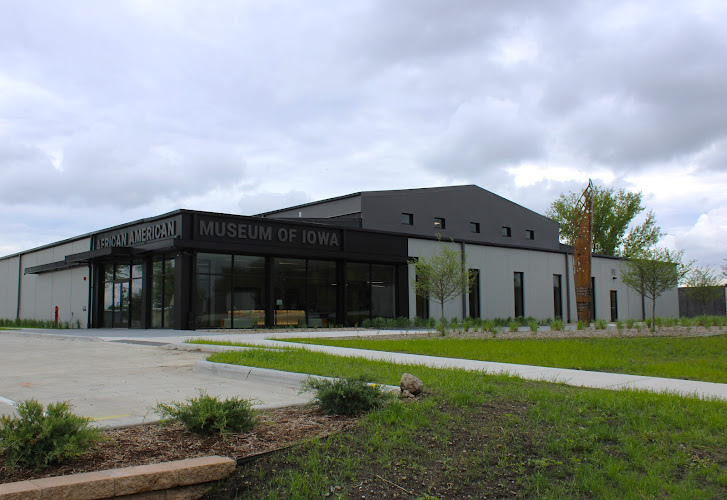
It presents museum-quality exhibits, rotating gallery shows, oral histories, and community programs that connect local history to larger national narratives. The museum feels intimate rather than cavernous — which is part of its charm — offering deep dives into topics that rarely get this kind of focused attention in Midwestern museum spaces.
Visitors will find a mix of permanent and changing exhibitions that highlight migration, entrepreneurship, arts, civic life, and family histories. The museum also programs live performances and theatrical presentations in its small theater, and often hosts workshops, panel discussions, and school programs. These events are a big part of what sets it apart: it’s not just a place to look, it’s a place that does, performs, and teaches.
Operationally, the museum identifies as Black-owned and women-owned, and that identity shows through community-centered programming and a roster of artists and speakers who reflect the diversity of African American life in Iowa. The tone is educational but human; curators try to make complex histories approachable without flattening them. The museum is family-friendly and designed to be accessible — there’s a wheelchair-accessible entrance and parking lot, as well as accessible restrooms — so families, school groups, and travelers with mobility needs will find it workable.
One of the lesser-known but memorable things about a visit is the theater programming. The museum’s theater hosts live music, storytelling, and staged pieces that often highlight local performers and regional talents. The gift shop does more than sell knickknacks: it stocks well-chosen books, locally made art, and educational items that reinforce the themes of the exhibits — good for picking up a meaningful souvenir that isn’t the usual postcard.
Now, full disclosure: some visitors say the museum is compact and that they wished for more gallery space or longer rotating exhibits. That’s a fair critique. At the same time, many people leave impressed by the depth of research, the personable staff, and the way the place invites conversation rather than just presenting facts. In short, it’s the kind of museum where a single visit can change how someone thinks about Iowa’s history — or at least nudge them toward asking better questions.
Key Features
- Gift shop with books, local art, and curated educational items
- Restroom facilities and basic visitor amenities (no onsite restaurant)
- Identifies as Black-owned and women-owned — mission-driven leadership
Best Time to Visit
The museum is worthwhile year-round, but timing a visit to coincide with a special event amplifies the experience. Spring through fall tends to be the most active season for Cedar Rapids cultural life, and the museum often schedules performances and community festivals during warmer months. Summer often brings outdoor festivals nearby and scheduled live programming inside the theater, so if the visitor likes a busier city vibe, plan for June through August.
February — Black History Month — is another excellent window for richer programming, with special exhibits, lectures, and school partnerships on the calendar. Juneteenth events in June can also offer powerful, community-centered experiences if a traveler wants something that’s both educational and celebratory.
Weekdays in mid-morning are usually quieter and better for solo travelers or those who want time to read exhibit labels and listen to oral histories without much bustle. Weekends tend to be busier, especially when a live performance is scheduled. If a traveler wants the full live-event feel, weekends are the right call. If they want solitude and reflection, pick a Tuesday or Wednesday morning.
Weather matters more for overall travel plans than for the museum itself, because exhibits are indoors. But Cedar Rapids winters can be harsh: plan accordingly if arriving by car. A rainy day can turn into a perfect museum day — sometimes the best museum visits happen when the rest of the city seems to be calming down.
How to Get There
The museum sits within Cedar Rapids’ cultural corridor, easily reachable from downtown and nearby neighborhoods. For drivers, on-site parking is convenient and includes accessible spaces close to the entrance; look for clearly marked visitor parking. Ride-share and taxi drop-offs at the main entrance are straightforward — the curbside makes loading and unloading simple, which is handy if there’s wet weather or if someone’s traveling with a stroller.
Public transit serves the downtown area, and a short bus ride or a walk from central stops will get visitors close enough for an easy approach. For people arriving from the regional airport, the drive into the city center takes roughly 15–25 minutes depending on traffic; again, parking on site removes a lot of the usual city-driving stress.
Bicyclists can often find bike racks nearby, and walking from nearby hotels or other downtown attractions is very doable. If a visitor is coordinating a larger group or a school trip, the museum staff is used to arranging guided tours and will advise on bus drop-off and parking logistics — calling ahead (or emailing) to coordinate is recommended for groups of 10 or more.
Tips for Visiting
The guide always says: give the museum at least 60–90 minutes. That sounds like a small commitment, but it’s enough to read through a few exhibits, catch an oral history clip, and browse the gift shop. If a live performance is scheduled, add time for that — performances can add an hour or more and are often worth it.
Buy tickets for special events early. Sometimes performances or workshops sell out, especially for well-known speakers or holiday programming. The museum’s seating capacity in the theater is intimate; that intimacy makes performances feel immediate and real, but also means they can sell through quickly.
Bring kids. The space is good for family visits; kids respond well to story-based displays and certain interactive elements. That said, if traveling with very young children, plan for a shorter visit or a focused route through the exhibits — little legs and long label-reading sessions don’t always mix. Also — note — there is no onsite restaurant, so plan meals or snacks before or after the visit. Restrooms are available, and staff are helpful about accommodating parents changing schedules, feeding needs, and so on.
Accessibility matters here. The museum has a wheelchair-accessible entrance and parking, and staff will assist where possible. If a visitor has specific accessibility needs like an ASL interpreter or specialized tours, it’s smart to contact the museum ahead of time to see what can be arranged.
Support the museum if it resonates. Memberships, small donations, and purchases from the gift shop directly impact programming and community outreach. The museum operates with a community-first ethos, and local support keeps those rotating exhibits and live programs happening. If a visitor is feeling generous, a modest donation or membership goes a surprisingly long way for an institution of this size.
Photography policy varies by exhibit. Some displays allow casual photography for personal use, others restrict flash or commercial shoots. If a traveler wants professional photos or intends to film, ask staff beforehand — the small size of the museum means staff can usually work out an arrangement, but permissions are a must.
Combine it with a broader Cedar Rapids itinerary. The museum is near other cultural stops and downtown amenities, so it makes sense to plan a half-day of museums, a local lunch, and perhaps a walk along nearby green spaces afterward. The city has a compact cultural scene, which is nice because it lets visitors see several places without long drives.
Finally, the museum rewards curiosity. The exhibits are crafted to provoke questions rather than give pat answers. That can be slightly uncomfortable at times — and that’s intentional. The goal is engagement, not entertainment alone. So, bring an open mind, a few questions, and maybe a pair of shoes that can stand up to a museum floor and a good conversation afterward. The guide will tell you: sometimes the best part of visiting is the conversation you have on the way out — with a friend, a parent, or even a stranger who was moved by the same display.
 Real Journey Travels