

1971 : Genocide-Torture Archive & Museum
About 1971 : Genocide-Torture Archive & Museum
The 1971 : Genocide-Torture Archive & Museum in Khulna is a focused history museum that examines one of the most painful chapters of Bangladesh history, the liberation war of 1971. It presents a careful, often intense, archive of photographs, documents, reconstructed scenes, and recorded testimonies that aim to preserve memory and to educate future generations. The museum is curated with the intention of documenting atrocities and torture methods used during the conflict, while also highlighting the resilience and stories of survivors and local communities.
Visitors find the museum to be both sobering and illuminating. The layout moves from contextual panels and archival photos to hands-on displays and preserved artifacts, inviting visitors to trace events in chronological order. The tone is mostly documentary — researchers and students will appreciate the careful labeling and the emphasis on primary sources — but there are also emotional, human moments: handwritten notes, family photographs, and the odd item that makes history feel immediate and personal.
For travelers, the museum offers a concentrated way to understand regional history without needing to travel to Dhaka. It is smaller than some national institutions, which makes the visit manageable in an hour or two, yet dense enough that visitors leave with a lasting impression. The museum also functions as a local memorial and research hub, hosting occasional talks and small exhibitions that dig deeper into specific cases, war crimes, and community memory.
Accessibility is taken seriously here. The entrance, parking, and restrooms are wheelchair accessible, which matters for travelers of all ages and abilities. And while the subject matter is weighty, the staff are accustomed to guiding family groups, school visits, and international travelers who come with questions. There is an on-site restaurant and restroom facilities, which makes planning easier — visitors do not have to hunt for basic comforts nearby.
Because topics like genocide, torture, and wartime atrocities can be emotionally heavy, the museum has a subtle approach to display design: dimmed rooms where necessary, quiet zones for reflection, and clear content warnings at the start of particularly graphic exhibits. Families with children will find the museum family-friendly overall, but the management recommends discretion when bringing younger children into certain galleries. The presentation is educational rather than sensationalized, focused on remembrance and accountability.
In short, the 1971 : Genocide-Torture Archive & Museum in Khulna serves several roles at once: archive, classroom, memorial, and conversation starter. It is a stop that rewards curiosity, empathy, and a willingness to sit with difficult history. If a traveler wants to leave Khulna with a deeper, more serious understanding of Bangladesh history, this museum is a quiet but powerful place to do exactly that.
Key Features
- Extensive photographic and document archive documenting the 1971 liberation war and related atrocities, with many pieces not commonly displayed elsewhere.
- Thematic galleries that move visitors through chronology: pre-war context, the conflict and occupation, acts of torture and mass violence, survivor testimonies, and post-war justice efforts.
- Audio-visual stations featuring recorded survivor interviews and short documentary clips in multiple languages or with subtitled translations for international visitors.
- Wheelchair accessible entrance, parking, and restrooms to ensure mobility needs are met.
- Family-friendly layout and amenities; suitable for older children and teens with parental guidance during sensitive exhibits.
- On-site restaurant for light meals and breaks — practical for visitors who come directly from transit or who plan a longer stay.
- Research-focused materials and displays that appeal to scholars, journalists, and students interested in genocide studies, human rights, and South Asian history.
- Small rotating exhibitions and public talks that dive into local stories, lesser-known sites, and recent research into war crimes and memory.
- Quiet reflection spaces and subtle memorial elements to honor victims and provide a place to process the exhibits.
- Polite, knowledgeable staff who can help contextualize displays and offer suggested routes for a short or extended visit.
Best Time to Visit
Khulna experiences a typical subtropical climate, so timing a museum visit is partly about the weather and partly about crowd levels. The best months to plan a visit are between November and February when temperatures are milder and humidity drops; that makes walking between nearby sites and spending time in the museum more comfortable. During these months, mornings are pleasant and afternoons avoid the oppressive humidity of summer.
Weekdays are generally quieter than weekends. For a calm, contemplative visit, mid-morning on a Tuesday or Wednesday tends to be ideal. That said, if the traveler wants to catch public lectures or special exhibitions, it can be worth checking the museum’s event schedule — some evenings and specific dates host talks that draw local scholars and veterans, creating a valuable opportunity for deeper engagement.
A practical aside: visitation spikes on national remembrance days tied to the liberation war, when local schools and groups visit in numbers. The museum becomes crowded yet meaningful on those dates. If someone dislikes crowds, they should avoid these particular days; if someone seeks to feel the collective memory and see commemorative programs, those days can be remarkably moving.
How to Get There
The museum sits within the urban fabric of Khulna and is reachable by several common local transport methods. Travelers who enjoy a bit of local flavor can take a rickshaw or auto-rickshaw from central points; rides are short from the city center and give a quick snapshot of daily life. For convenience, ride-hailing services operate in the city and offer a straightforward door-to-door option, especially if traveling with luggage or family.
Bus travelers will find the museum accessible from main bus routes, though there is always the last-mile step of a short walk or a rickshaw hop. If someone rents a car or hires a driver, there is wheelchair accessible parking available at the site, which simplifies access for those with mobility needs or larger groups. Taxis and private drivers are commonly arranged through hotels, and most drivers know the museum by name.
International travelers usually connect through Dhaka and then use domestic flights or long-distance buses to reach Khulna. From the city’s transport hubs, a brief local trip completes the journey. It is sensible to factor traffic into travel plans; peak city hours can add time, so allow a buffer if arriving for a scheduled talk or guided tour.
Tips for Visiting
Plan for emotion. The material is intense and sometimes graphic. The museum is careful, but visitors should expect moments that pause them — and that’s okay. Bringing tissues, taking breaks in the quiet areas, and allowing time afterward to decompress is wise. Many visitors pair the museum with a gentle stroll along nearby riverside areas afterward to step out of the heaviness.
Allow at least 60 to 90 minutes for a basic visit. Those with a research interest or who want to watch all audio-visual material should budget two hours. The displays are dense; rushing through will diminish the impact and the learning.
Photography policies can vary by exhibit. Visitors should check signage or ask staff about which galleries allow photos. Some archival documents and testimonies are restricted for privacy or preservation reasons. If in doubt, ask first — the staff appreciate respectful requests and will often point out the most photogenic, shareable displays that are okay to capture.
Bring cash and a small bag. The on-site restaurant, small gift selections, or printed materials may require payment methods that are simpler with local currency. Also, modest, respectful dress is recommended in line with local norms, especially because the museum functions in part as a memorial space.
If traveling with children, prepare them ahead of time. The museum is listed as family-friendly and has materials suitable for young learners, but the heavier exhibits require conversation and context. A quick pre-visit chat about what they might see and why it matters helps prevent shock and fosters meaningful learning.
Use the museum as a starting point. For visitors who want to dig deeper into the history of 1971, the museum staff can suggest nearby sites, reading lists, and academic contacts. This is one of the strengths of the Khulna institution: it serves not only as a display space but as a gateway to local memory projects and research efforts that continue to unfold.
Finally, come with curiosity and humility. International travelers often leave with new questions about the region’s history and about how communities remember trauma. Conversations with staff, volunteers, and local visitors can be enlightening. And for those who keep travel journals, a note or sketch at the end of the visit helps carry the learning forward — it’s a small act, but it honors the purpose of places like this: to remember, to teach, and to prevent forgetting.
Key Features
- Extensive photographic and document archive documenting the 1971 liberation war and related atrocities, with many pieces not commonly displayed elsewhere.
- Thematic galleries that move visitors through chronology: pre-war context, the conflict and occupation, acts of torture and mass violence, survivor testimonies, and post-war justice efforts.
- Audio-visual stations featuring recorded survivor interviews and short documentary clips in multiple languages or with subtitled translations for international visitors.
- Wheelchair accessible entrance, parking, and restrooms to ensure mobility needs are met.
- Family-friendly layout and amenities; suitable for older children and teens with parental guidance during sensitive exhibits.
- On-site restaurant for light meals and breaks — practical for visitors who come directly from transit or who plan a longer stay.
- Research-focused materials and displays that appeal to scholars, journalists, and students interested in genocide studies, human rights, and South Asian history.
- Small rotating exhibitions and public talks that dive into local stories, lesser-known sites, and recent research into war crimes and memory.
You Might Also Like

Abi River Park
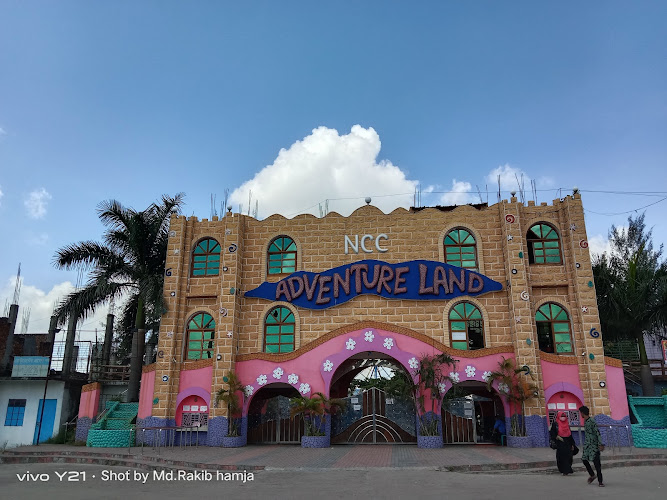
Adventure Land Park

Adventure World Fun & Family Tourism Park, Sylhet.
Tours & Activities
GetYourGuide provides this tour inventory. We may earn a commission if you book through it; verify current availability, prices, and terms with the provider.
Visitor Reviews
There are no reviews yet. Be the first one to write one.
Share Your Experience
Have you visited 1971 : Genocide-Torture Archive & Museum? Help other travelers by leaving a review.