
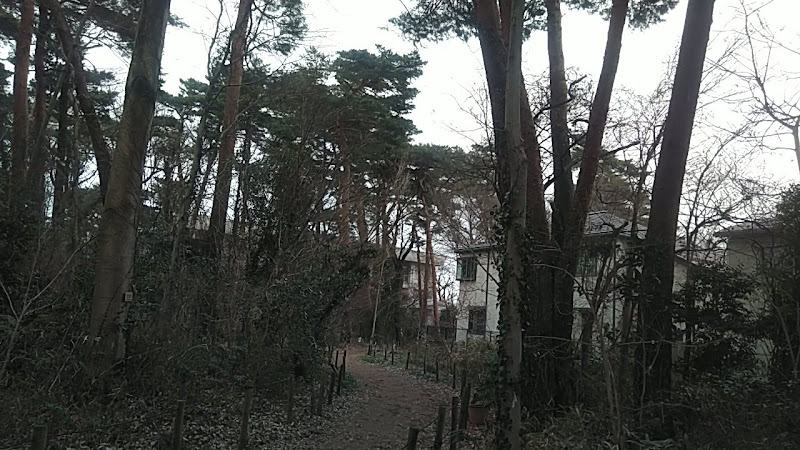
清瀬の名木・巨木百選No.75アカマツ(群生)
About 清瀬の名木・巨木百選No.75アカマツ(群生)
Description
You wouldn’t know it just walking down the street, but tucked away in Kiyose is this low-key legend among tree gardens—the place lovingly known as the Kiyose Akamatsu Pine Colony (that’s 清瀬の名木・巨木百選No.75アカマツ, for those brushing up on their kanji). It’s got a reputation among locals and a few in-the-know Tokyo naturalists for this funky, almost magical pine stand—a pocket of living history in a busy world where pine needled silence beats concrete clamour.
There’s something quietly impressive about this stand of Japanese red pines. I mean, we city folks don’t often get surrounded by a forest of old, towering Akamatsu with their deep-grooved bark and branches reaching like outstretched fingers to the sky. These aren’t just any trees, either; they’re officially recognized for their age, size, and their role as natural monuments. The trunks are a bit gnarled and battle-marked, proof of decades or even centuries facing wild tempests and sticky summers. Walk among them and, if you ask me, you really do get this sense of time slowing down a notch or two.
But don’t expect manicured gardens or polished benches (and forget about wheelchair access—the place is left pretty much as nature made it). You’re really stepping into an unfiltered snippet of Japan’s arboreal history. And maybe that’s part of the charm. Birdsong over traffic horns, pine needles underfoot, no snack vendors in sight—this is the kind of spot for folks who don’t need entertainment every second, who don’t mind standing quietly for a while, letting their eyes wander up the rough red trunks.
Haven’t even mentioned the smell yet: a sharp, clean, piney freshness you just can’t bottle. I always find places like this stay with you longer than the splashy tourist sites. Maybe it’s because wandering among these Akamatsu gives you a rare pocket of genuine tranquility, making it perfect for solo wanderers, daydreaming botanists, and, occasionally, a group of camera-toting grandfathers debating tree ages.
Key Features
- Dense Stand of Akamatsu Pines: The area is celebrated for its rare and robust cluster of Japanese red pines, each recognized as a significant specimen—tall, twisty, and full of personality.
- Natural Monument Status: These pines aren’t just beautiful—they are listed among Kiyose’s 100 famous and giant trees, acknowledging their unique heritage and ecological importance.
- Raw, Untouched Setting: Unlike many Tokyo green spaces, this grove remains almost stubbornly wild—no flashy walkways or picnic tables, offering a more authentic experience for nature lovers.
- Seasonal Beauty: Each season paints a new face on the pines—icy crystals clinging to needles in winter, pollen bursts in spring, sun-dappled shade in summer, and a carpet of fallen needles come fall.
- Calming Atmosphere: Far from urban bustle, the lingering aroma of pine and bird calls create a meditative retreat. Whether it’s forest bathing or just escaping life’s buzz, you’re good here.
- Educational Value: Good for armchair botanists or curious kids, it’s a chance to see a native pine ecosystem up-close—spot mushrooms, lichens, and maybe even a cautious squirrel or two.
Best Time to Visit
So, here’s my two yen: if you’re dreaming of strolling among the Akamatsu and really taking in their quirky, dignified charm, I’ve found early spring and late autumn to be the top picks. That’s when the sunlight sort of dances through the needles, and the crowds (not that there are ever masses—this is still a bit of a hidden gem) thin out even more. Spring brings a hum of insects and a lively dash of green, while autumn’s fallen needles crunch under your boots—kind of a mini adventure with each step.
Summer isn’t bad if you don’t mind the humidity (and maybe came prepared with some bug spray—trust me). The pines keep it shadier and just cooler enough that you can actually walk about without melting. On the other hand, winter is quiet. Like, silent in a way Tokyo rarely gets. If you’re the contemplative sort, or craving some new year’s reflections, steal away for a frosty morning visit.
Honestly, every season shows another side of these old trees, so if you love coming back to a place and noticing how it changes (like flipping through chapters in a book), this is where your nature diary gets interesting.
How to Get There
Alright, let’s get practical. Finding the Kiyose Akamatsu stand isn’t rocket science, but it’s enough of a journey to feel like you’ve stepped off the tourist treadmill for a few hours. If you’re coming from Tokyo’s center, you’re hopping on the Seibu Ikebukuro Line to Kiyose Station. Easy enough; trains run frequently.
From Kiyose Station, it’s best to grab a local bus or lace up your sneakers for a brisk walk. Walking gives you a slow reveal—suburban houses giving way to pockets of greenery—and it’s about twenty minutes on foot. Some folks prefer a taxi, especially if they’re on a tight schedule (it’s honestly not a huge splurge, and local drivers know exactly where you mean if you ask for the famous Akamatsu stand).
This isn’t a place with big signs or flashy directions, so download a map, or just prep your GPS. If you’re cycling, even better—the ride through Kiyose is the kind that gives you a little slice of daily life in suburban Tokyo, not just the famous side. Parking can be a bit of a bother: don’t expect a huge lot, and certainly not any accessible spaces. So public transport is your easiest option.
Tips for Visiting
Let’s talk nitty-gritty so you make the most of your visit and don’t end up wishing you'd read this first (we've all been there). First, since the site is a little wild and rugged, sensible shoes are not optional—those polished office loafers? Better leave them at home unless you like pine needles between your toes.
If you’re bringing little ones, keep an eye on them. No fences or barriers here, which is wonderful for the freedom but means no toddler corrals if things get exciting. No prams, either: the pathways can get rough and root-knobby. Accessibility is sadly lacking, truth be told. Folks with mobility concerns might find this place a challenge. Hopefully, that’ll change one day, but for now, it’s boots-on-the-ground kind of exploring.
Picnics can be delightful here, but you’ll want to pack out all trash—no bins, no vendors, nothing. And as tempting as it may be to take home a pinecone souvenir, let’s leave nature as lovely as we found her, right? Snacks and drinks? Bring whatever keeps you going, especially on hot days or if you’re a coffee-before-noon purist like me.
Photography enthusiasts will go wild for the shifting light patterns slicing through the branches. Morning is best for that golden-hour shot, but later in the afternoon you might catch some dreamy, slanting rays. The air’s clearer here, especially after rain, and the moisture on bark and needles gives the place this fleeting, almost storybook beauty.
One last thing: expect to slow down. Seriously, don't rush. Take the long way around a tree, pause to really look at the patterns in the bark, or just breathe deep. You’ll return home feeling a little lighter, a little less rushed—maybe even inspired to plant a tree of your own.
If you’re hankering for more adventure, bring a sketchpad or a notebook. Sitting beneath those branches might spark ideas like nothing else. Everyone’s got their own reason to visit, but one thing’s for sure: you won’t leave quite the same as you arrived. That’s the magic of Kiyose’s Akamatsu grove—quiet, unhurried, and quietly unforgettable.
Key Features
- Key Features
- Best Time to Visit
- How to Get There
- Tips for Visiting
Tours & Activities
GetYourGuide provides this tour inventory. We may earn a commission if you book through it; verify current availability, prices, and terms with the provider.
Visitor Reviews
There are no reviews yet. Be the first one to write one.
Share Your Experience
Have you visited 清瀬の名木・巨木百選No.75アカマツ(群生)? Help other travelers by leaving a review.