Tampico is the commercial and cultural center of southern Tamaulipas, set on the Pánuco River and linked to the Gulf coast through the adjoining cities of Ciudad Madero and Altamira. Its port history, early-20th-century architecture, lagoons and broad beach make the metropolitan area feel distinct from inland Mexico: this is a Huasteca-influenced Gulf city where riverfront industry, historic plazas and coastal leisure sit close together.
It suits travelers who want a short, food-forward Mexican city break with a beach day, as well as road-trippers using Tampico as a gateway to the Huasteca. The compact historic center rewards walking, while Playa Miramar and most practical excursions require wheels. Come for seafood, tortas de la barda and civic architecture rather than a resort-only holiday; the city’s appeal is in combining everyday local life with the coast.
Quick Planning Snapshot
Planning detailWhat to knowBest seasonsNovember to April is generally drier and more comfortable; expect occasional cool nortes.Typical trip lengthTwo to three days for Tampico and Ciudad Madero; longer for Huasteca excursions.Main transport hubGeneral Francisco Javier Mina International Airport (TAM), serving the Tampico metropolitan area.Local currencyMexican peso (MXN).Primary languageSpanish; English is more common in larger hotels than in everyday shops.Walkability and transitCentral Tampico is walkable; taxis, ride-hailing where available, buses and a car cover the wider metro area.
Getting There and Getting Around
General Francisco Javier Mina International Airport lies between Tampico and Ciudad Madero and is the easiest arrival point. It is principally a domestic airport, so many international visitors connect through Mexico City or Monterrey rather than expecting extensive overseas service. Overland, Federal Highway 80 links the area toward Ciudad Valles and the Huasteca Potosina, while Highway 180 follows the Gulf corridor toward Altamira and Veracruz. Freight rail serves the port region, but there is no practical scheduled intercity passenger rail option.
A rental car gives the most flexibility for Miramar, Altamira and day trips. In the center, walk between Plaza de Armas, the cathedral, markets and riverfront landmarks in daylight, then use an authorized taxi or app-based ride for longer hops. Local buses are inexpensive but can be confusing for first-time visitors and are not ideal with luggage. Traffic builds around commuter hours and the bridges connecting Tampico, Ciudad Madero and the Pánuco-side municipalities, so allow extra time for airport or beach transfers.
Best Areas to Stay and Neighborhood Character
Centro Histórico is best for architecture, markets, restaurants and a walkable first visit. Choose it if you value character and easy access to Plaza de Armas, but confirm evening transport because activity thins after business hours.Laguna del Carpintero and the Canal de la Cortadura area suit travelers who prefer newer lodging, park access and easy drives around the metro area. It is a useful middle ground between downtown and Ciudad Madero.Ciudad Madero and the Playa Miramar corridor are the natural choice for beach-focused stays, families and travelers planning early mornings on the sand. They are less convenient for repeated visits to the historic center.Airport and main-road hotels work well for one-night business stops or self-driving itineraries, though they offer less of a neighborhood experience than central Tampico or Miramar.
Top Things to Do, Local Culture and Day Trips
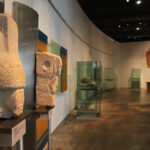
Start in Centro Histórico at Plaza de Armas, where the Catedral de la Inmaculada Concepción anchors the civic core. Look beyond the square for the city’s eclectic late-19th- and early-20th-century commercial buildings, a legacy of Tampico’s port and oil-era growth. The former maritime customs building on the river is one of the area’s most recognizable historic structures. For context on local identity, seek out the Museo de la Ciudad de Tampico and, in Ciudad Madero, the Museo de la Cultura Huasteca at Espacio Cultural Metropolitano.
Laguna del Carpintero is a popular urban green space for a stroll and birdwatching; keep a respectful distance from wildlife, including crocodiles. The Canal de la Cortadura connects the lagoon and river environment and is a pleasant place to see how water shapes the city. At Playa Miramar, walk the long shoreline and the escolleras, the breakwaters at the Pánuco River mouth. Conditions can change quickly, so heed flag warnings and avoid swimming where surf or currents are rough. Summer is hot, humid and rainy, while the June-to-November hurricane season can disrupt coastal plans.
For a full-day inland contrast, drive west toward Ciudad Valles and the Huasteca Potosina, where waterfalls, rivers and Huastec communities reward an early departure; confirm road and water conditions locally in the rainy season. Tamuín’s Huastec archaeological sites make a more history-focused extension. Closer by, Altamira offers another view of the industrial port and lagoon landscape, though it is better approached as a working regional city than as a conventional sightseeing district.
Practical Planning Tips, Food Specialties and a Two-Day Flow
Try a torta de la barda, the overloaded local sandwich associated with the market area, plus jaibas rellenas, seafood soups, pescadillas and tacos featuring Gulf catch. Carne a la tampiqueña is the city’s best-known beef dish; Huasteca influences also appear in zacahuil, a large tamal often sold by portion. Drink bottled water if you are unsure of the source, carry cash for markets and small vendors, and make restaurant reservations on busy weekend evenings. A 10 to 15 percent restaurant tip is customary when service is satisfactory.
Use the same city awareness you would in any large Mexican metro area: keep valuables out of sight, rely on authorized transport at night, and avoid isolated waterfront or beach stretches after dark. For a two-day plan, devote day one to the historic center, market food, the museum and Laguna del Carpintero or Canal de la Cortadura. On day two, go early to Playa Miramar and the escolleras, then return through Ciudad Madero for the Huasteca museum or a seafood lunch. If you have a third day and a car, make it a Huasteca or Tamuín excursion rather than trying to rush both.
 Real Journey Travels