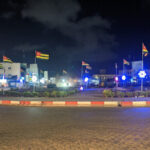
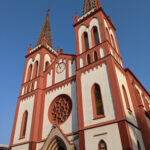
Lomé is a trading city first and a seaside capital second. It sits on the Gulf of Guinea, a few minutes from the Ghana border, and its low-rise centre is organised around the Grand Marché, a beachfront boulevard and the Atlantic surf. The pace is easier than in many West African capitals. You can cover the core on foot or by short moto-taxi hops, and the sea breeze takes some of the edge off the heat.The city rewards curious travelers more than checklist-hunters. Vodun practice runs alongside Catholic churches and mosques without any staging for visitors. The legacy of the Nana Benz, the formidable wax-print cloth traders, still shapes how locals talk about money and style. Lomé works well for two or three days on its own. It is also the natural base for Lake Togo, the old coastal towns to the east and the green hills around Kpalimé.Where to Base Yourself & Key AreasLomé is compact, so the real choice is between the commercial core, the coast and the quieter residential districts. Pick based on whether you want to walk to markets, hear the sea or avoid traffic noise. Verify current conditions and transport options with your lodging before you arrive.Area / CorridorBest Suited ForCharacter & AccessTrade-Off to KnowGrand Marché / AssigaméMarkets, textiles, first-timers on a budgetDense commercial centre, close to the fetish traders and the cathedral, easy to reach by moto-taxiCrowded and loud, and it quietens early in the eveningBeachfront boulevardSea air, evening walks, hotels with ocean viewsPalm-lined seafront strip with hotels and restaurants, a short ride from the centreSwimming needs caution because of strong currents and surfAdministrative & embassy districtsBusiness travelers, quieter staysWider streets, government buildings and diplomatic residences, more orderly trafficPhotographing official buildings is restricted, so ask before shootingResidential neighborhoods inlandLonger stays, local restaurants, a taste of daily lifeEveryday Lomé of neighborhood bars, grill stalls and small shops, best reached by zemidjan or ride-hailingFewer hotels and little signage in EnglishAirport side (Tokoin)Early flights and short layoversConvenient for arrivals and departures, close to the city by roadLittle atmosphere, and the airport itself must not be photographedStandout Sights & How to Pace Your VisitStart at the Grand Marché before noon, when the fabric floors and produce aisles are easier to read and the heat is manageable. The market runs over several levels, with wax-print cloth, beadwork, leather, spices and dried fish. Expect the traders to unfold pattern after pattern, and settle prices politely and without hurry.Nearby, the red-brick Sacred Heart Cathedral gives a calm counterpoint to the market bustle. The Akodessewa Fetish Market sits on the city’s outskirts and works as a real supplier of herbs, skulls, charms and ritual objects for vodun practitioners. Go with a local guide, ask before photographing anything and treat it as a place of belief rather than a curiosity. The beach boulevard is best late in the afternoon, when the light softens and locals come out to walk and exercise.Beyond the city, the lagoon country east of Lomé is the obvious extension. A pirogue crossing of Lake Togo lands at Togoville, a lakeside town tied to vodun and to the 1884 German treaty. Farther along the coast, Agbodrafo and Aného preserve the history of the slave trade and the colonial era.Day 1: Grand Marché in the morning, the cathedral, a long lunch, then the seafront at sunset.Day 2: Akodessewa Fetish Market with a guide, the National Museum and a neighborhood dinner by zemidjan.Day 3: Lake Togo and Togoville by pirogue, or a coastal run toward Agbodrafo and Aného.Longer stay: Add Kpalimé and Mont Agou for hill walking, or head north toward Koutammakou.Local Food Culture & Dining SceneLomé eats well and cheaply. Grilled fish and chicken with spicy pepper sauce, fried plantain and attiéké-style cassava sides are staples at open-air maquis and beach restaurants. Look for pâte, a thick maize or cassava dough served with peanut, tomato or okra sauces, and for fresh seafood from the coast. The Grand Marché area has stalls for quick, inexpensive meals, with the best choice before the afternoon slowdown.The French colonial influence shows in bakeries, cafés and bistro-style restaurants, especially around the seafront and the central districts. Evenings are social. Local beer, live music and late grills keep neighborhood bars busy, so ask your host which spots are lively on the night you are there. Carry small CFA franc notes, since the economy is cash-based.Getting There, Seasonal Timing & Practical TipsMost travelers arrive at Lomé-Tokoin International Airport, which is close to the centre. Overland arrivals come from Ghana on the coast road, and the border is only a short drive from the city. An e-visa or visa on arrival is available to many nationalities, but check current rules before you fly. In town, zemidjan moto-taxis are the fastest option, so agree the fare before you get on. Ride-hailing apps such as Gozem offer a more regulated alternative, and shared taxis follow fixed routes.The dry season from November to March is the most comfortable window, with lower humidity and easier travel to Lake Togo and the interior. The rains run roughly from April to October and are heaviest around June and September, when roads inland can become slow. Prices and crowds are lowest in the wet months, so coastal-only trips still work. Petty theft occurs, so keep valuables out of sight, avoid political demonstrations and never photograph military, police or government sites.
 Real Journey Travels