Gelsenkirchen sits in the northern Ruhrgebiet of North Rhine-Westphalia, between Essen, Bochum and the Emscher corridor. Once shaped by coal mining, coking plants and steel-linked industry, it is now a working city where former industrial land has become parkland, culture space and sports infrastructure. The Rhine-Herne Canal, the Emscher landscape and unusually large green areas give it more breathing room than many visitors expect from the Ruhr.
This is a rewarding base for football followers, industrial-heritage fans, families visiting the zoo, and travelers who prefer an unpolished, lived-in regional city to a postcard-perfect old town. Gelsenkirchen works especially well as part of a Ruhr itinerary: its rail and tram connections put major museums, former mines and neighboring cities within easy reach, while its own districts reveal the region’s mining-era social history and multicultural everyday life.
Quick Planning Snapshot
Planning detailWhat to expectBest seasonsMay to September for parks and outdoor events; December for seasonal marketsTypical trip lengthOne full day for highlights; two days for a slower city stay and nearby Ruhr excursionsMain transport hubGelsenkirchen Hauptbahnhof, with regional rail, S-Bahn, tram and bus linksLocal currencyEuro (€)Primary languageGerman; English is common in visitor-facing venues but less universal in daily lifeWalkability and transitDistrict centers are walkable; use trams, buses and regional trains between sights
Getting There and Getting Around
Düsseldorf Airport is the most practical major international gateway, with onward rail travel through the Rhine-Ruhr network. Dortmund Airport can also be useful for selected European flights, while Cologne Bonn Airport is a broader but more distant alternative. From elsewhere in Germany, Gelsenkirchen Hauptbahnhof is served mainly by regional and S-Bahn services; Essen, Dortmund, Duisburg, Düsseldorf and Bochum are straightforward rail connections. Long-distance passengers often change at Essen, Dortmund or Duisburg.
By road, the city is tied into the dense Ruhr motorway network, including the A2 and A42 corridors. A car helps for scattered industrial sites and suburban parks, but it is unnecessary for a central stay and can be inconvenient on Schalke match or concert days. Local transport is integrated into the regional fare system. Trams are particularly useful: line 302 links central Gelsenkirchen with Schalke and Bochum, while buses fill gaps between districts. Buy and validate the appropriate ticket before boarding where required, and use a regional journey planner for the current fare zone and disruptions.
Best Areas to Stay and Neighborhood Character
City centre around Hauptbahnhof: Best for first-time visitors without a car, short stays and rail day trips. Expect practical hotels, shops and the easiest access to trams.Buer: A more self-contained northern centre with a pedestrian shopping core, restaurants and access to Schloss Berge and Berger See. It suits travelers who want a quieter evening atmosphere.Erle and Schalke: Choose these areas for Veltins-Arena events or football-focused visits. Check transit plans well ahead on matchdays, when crowds are substantial.Ückendorf: A characterful former workers’ district in the south, close to Wissenschaftspark and the industrial-culture corridor. It appeals to urban explorers and travelers comfortable with a less tourist-oriented setting.Horst and Nordsternpark: Useful for park access, canal walks and the northern industrial-heritage sites; accommodation choices are generally fewer than downtown.
Top Things to Do, Local Culture and Day Trips
Start at Nordsternpark, built on the site of the former Nordstern colliery for the 1997 Federal Garden Show. The preserved mine complex, canal-side paths, public art and broad lawns explain Gelsenkirchen’s transformation better than a conventional historic centre could. The Nordsternturm is topped by Markus Lüpertz’s monumental Hercules figure; tower access and exhibitions can vary, so confirm before making a special trip. Continue along the Rhine-Herne Canal or use the park as a cycling stop on the Route of Industrial Heritage.
ZOOM Erlebniswelt is one of the city’s strongest family draws, organized around immersive habitat areas rather than a simple animal-collection layout. Allow most of a day, especially with children. Football is equally central to local identity: Veltins-Arena, home of FC Schalke 04, hosts matches, tours and large concerts. The Schalke Museum adds context to a club whose history is closely tied to the city’s worker culture. Event schedules, security rules and tour availability change, so reserve or check official information in advance.
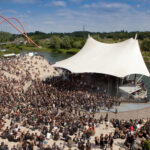
For architecture and culture, see Musiktheater im Revier, a major postwar modernist opera house near the centre, and Wissenschaftspark Gelsenkirchen in Ückendorf, whose glass-roofed hall occupies a former industrial landscape. Buer offers Kunstmuseum Gelsenkirchen and a more relaxed urban stroll, while Schloss Berge and the lake at Berger See provide a green counterpoint. Summer brings open-air programming in parks and public squares; cooler, wetter months suit museums, theatre and football. Rain is possible at any time, so pack a light waterproof layer.
For day trips, Essen’s Zollverein Coal Mine Industrial Complex is the essential UNESCO-listed counterpart to Gelsenkirchen’s industrial story. Bochum’s German Mining Museum provides deeper context on extraction and labor, while Duisburg-Nord Landscape Park turns a former ironworks into one of the Ruhr’s most memorable public spaces. Essen’s Museum Folkwang is a strong art option. These places are best approached by regional train and local transit rather than trying to drive and park at every stop.
Practical Planning Tips, Food and a Two-Day Flow
Gelsenkirchen is generally straightforward for visitors, but use normal city awareness around stations late at night, keep valuables out of sight in crowded event traffic, and follow steward instructions at arena events. Card payment is widespread but not universal, so carry some cash. Restaurant service is usually relaxed rather than rushed; rounding up or leaving roughly 5 to 10 percent for good table service is customary. Reservations help on matchdays and weekend evenings.
Look for Ruhr classics such as currywurst with fries, grilled sausage, schnitzel and hearty potato dishes. Westphalian cooking may include Pfefferpotthast, a peppery beef stew, or Panhas, a regional fried sausage-style specialty. The city’s migration history also makes Turkish bakeries, kebab shops and casual international restaurants an important part of eating locally. Order a local-style pilsner if you drink beer, but do not assume every small venue accepts cards.
Day one: Explore Nordsternpark and the canal landscape, return to the centre for Musiktheater im Revier or dinner, then attend a Schalke match, arena tour or evening event if scheduled.Day two: Spend the morning at ZOOM Erlebniswelt or in Buer at Kunstmuseum and Schloss Berge, then take a regional train to Zollverein in Essen or the German Mining Museum in Bochum.
 Real Journey Travels