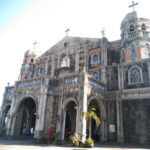
Dasmariñas is a fast-growing city of roughly 700,000 people in Cavite province, in the Calabarzon region south of Metro Manila. It is not a heritage showpiece. What it offers is an honest, working Filipino city with a parish church dating to the Spanish era, busy wet markets, inexpensive food and almost no tourist markup.Its real strength is position. Tagaytay’s ridge, Taal Lake, Cavite’s revolutionary landmarks and the Manila road network are all within easy reach, so Dasmariñas works well as a budget-friendly base for travelers who want to see how suburban Luzon lives rather than shuffle between souvenir stops. Treat it as a destination for a day or two and it rewards you; treat it as a bedroom for Manila and you will mostly see traffic.Where to Base Yourself & Key AreasThe city sprawls along a few main roads rather than around one compact center, so where you sleep decides how much time you spend in transit. Here is how the main corridors compare.Area / CorridorBest Suited ForCharacter & AccessTrade-Off to KnowCongressional Avenue & city centerFirst-timers, errands, market foodThe everyday core of the city, with the parish church, the Pala-Pala wet market and jeepney and UV Express terminals nearby.Traffic is heavy at rush hour and the streets are noisy.SM City Dasmariñas areaConvenience, malls, familiesAir-conditioned shopping, cinemas, chain hotels and the easiest taxi and ride-hail pickups.It feels like generic suburbia rather than a distinct local scene.Daang Hari RoadDining, weekend evenings, Manila accessNewer lifestyle centers and the city’s most polished restaurant strip, heading toward Las Piñas.Prices run higher, and it is a drive from the old church district.De La Salle University–DasmariñasMuseum visits, quiet walks, student cafésA large campus with Museo De La Salle and calm paths for evening strolls.Campus access rules can change, so confirm before you go.Sucat & Acacia Avenue edgeMetro Manila arrivals, short staysThe northern fringe near the Manila boundary, with the quickest road links back to the capital.It is mostly commercial and residential, with little sightseeing.For a short first visit, the city center or the SM City area keeps food, transport and shopping within a few minutes. If you plan to spend evenings eating out, Daang Hari Road is more rewarding, provided you accept the longer ride to the older sights.Standout Sights & How to Pace Your VisitStart with the Immaculate Conception Parish Church, then walk toward the market streets to see the city at its most ordinary and most interesting. The church is the clearest link to the city’s Spanish-era past, and its stone facade is worth a slow look before the day heats up.The De La Salle University–Dasmariñas campus is the other anchor. Museo De La Salle gives context on regional heritage, and the campus paths are among the few quiet, green places in a city otherwise dominated by roads and malls. Beyond the city, nearby options include:Immaculate Conception Parish Church: the stone parish church built after Dasmariñas became its own parish in 1866, a calm first stop for architecture and local history.Museo De La Salle: a campus museum on the De La Salle University–Dasmariñas grounds, with heritage collections and a useful introduction to Cavite’s past.Pala-Pala Wet Market: go early for fresh fish, produce and the everyday rhythm of the city.Tagaytay Ridge: a 20 to 30 minute drive for cooler air and views across Taal Lake toward the volcano.Cavite’s revolutionary sites: the Tejeros Convention site in Rosario and the Spanish-era heritage zone in Cavite City suit travelers who want history beyond the city limits.One full day covers the city itself: church and market in the morning, a long lunch, the campus or a mall in the hot afternoon, and dinner along Daang Hari. A second day suits Tagaytay or Cavite City. A third only makes sense if you are combining several Cavite heritage stops, since distances look short on a map but traffic stretches them.Local Food Culture & Dining SceneCavite has its own eating traditions, and Dasmariñas is a convenient place to sample them. Look for Cavite-style lechon and pancit at local eateries, and for karinderya counters where you point at pots of stewed and fried dishes and pay by the plate. Street stalls sell lumpia and grilled skewers, and the adventurous can find balut. Buko juice and mango shakes are the sensible answers to the heat, and coffee grown in neighboring parts of Cavite is worth ordering.For a sit-down evening, Daang Hari Road has the widest choice, from Korean barbecue to Italian and Japanese, in air-conditioned comfort. Around the SM City area, mall food courts and chain restaurants are predictable but easy with children. For the most local meal, go to the market area at breakfast or lunch, when turnover is high and prices are lowest.Getting There, Seasonal Timing & Practical TipsMost visitors fly into Ninoy Aquino International Airport in Manila, about 23 kilometers away in a straight line, then continue by taxi, ride-hail, private car or bus and van services heading into Cavite. Allow far more time than the distance suggests, because the roads toward Cavite are congested at peak hours. Within the city, tricycles and jeepneys handle short hops, and UV Express vans run to Tagaytay for modest fares. Ride-hail and taxis are simpler for luggage and late evenings.The driest and most comfortable months run from December to February, while the wet season runs roughly June to October and can bring heavy downpours and flooding on low roads. April and May are the hottest, with highs that make midday sightseeing a chore. If you add Tagaytay, leave before 9 AM on weekends for clearer views of Taal and lighter traffic. Dasmariñas is generally safe, but expect petty theft and traffic hazards, and avoid poorly lit streets late at night.
 Real Journey Travels