

Panauti Durbar Square पनौती दरबार क्षेत्र
About Panauti Durbar Square पनौती दरबार क्षेत्र
Description
Panauti Durbar Square, or पनौती दरबार क्षेत्र, feels like stepping into a living museum where time has slowed down just enough for you to notice the details. The square is small compared to the grand courtyards of Kathmandu or Bhaktapur, but that’s part of its charm—it doesn’t overwhelm, it invites. The carved wooden struts, brick temples, and quiet shrines give off a sense of authenticity that hasn’t been polished away for tourists. You’ll probably notice how the square still serves as a gathering place for locals, kids running about, and elders sitting in the shade exchanging stories. That human presence makes it less like a monument and more like a community you’re allowed to peek into.
From my own visits, I’ve found that the calmness of the place is what lingers. The temples are beautiful, yes, but it’s the slower rhythm of life that sticks with you. There’s something grounding about hearing prayer bells ringing faintly in the distance while a shopkeeper waves you over to try a local snack. And unlike some other historic centers in Nepal, Panauti Durbar Square feels accessible—literally and figuratively. The entrance and parking are wheelchair-friendly, and families with children won’t feel out of place here. It’s a rare mix of cultural depth and everyday usability.
Of course, not everything is perfect. Some structures show signs of wear, and you might wish there was more information on-site about the history behind each temple. But honestly, that’s also what makes it feel real. It’s not over-curated. It’s a square that has aged with grace, carrying both its cracks and its beauty with dignity. For travelers who want to experience history without the heavy crowds, this is a gem that deserves more attention.
Key Features
- Intricate Newar-style architecture with centuries-old wooden carvings
- Peaceful atmosphere compared to busier heritage squares in Kathmandu Valley
- Temples and shrines still actively used by the local community
- Wheelchair accessible entrance and parking facilities
- Family-friendly environment where children can explore safely
- Opportunities to witness local festivals and cultural rituals
- Nearby rivers and ghats that add a spiritual dimension to the visit
Best Time to Visit
If you ask me, the square feels different depending on the season, and that’s part of the magic. Spring (March to May) is probably the most comfortable time—the weather is mild, flowers bloom, and the town feels alive with color. Summer can be humid, and the monsoon rains from June to August bring a moody charm, though you’ll need to dodge puddles and carry an umbrella. Autumn (September to November) is the sweet spot: clear skies, pleasant temperatures, and festivals lighting up the square. Winter has its own appeal too; the mornings are crisp, and the slower pace makes it easier to just sit and soak in the surroundings. Honestly, there’s no bad time to go, but if you want the clearest mountain views on the way, autumn wins hands down.
How to Get There
Reaching Panauti Durbar Square is surprisingly straightforward. From Kathmandu, it’s about an hour and a half by car, depending on traffic. The road winds through small towns and rolling hills, so the drive itself is part of the experience. Public buses run from Kathmandu to Banepa, and from there, local minibuses or taxis can take you the short remaining distance to Panauti. For those who enjoy cycling, the route from Bhaktapur to Panauti is a rewarding ride, with stretches of countryside that feel worlds away from the city chaos. Just be prepared for a few challenging uphills if you go this route.
Tips for Visiting
First things first—give yourself time. The square isn’t massive, but it deserves more than a quick photo stop. Spend at least half a day wandering, maybe longer if you’re curious about the town beyond the square. Wear comfortable shoes; the brick pathways can be uneven, and you’ll want to explore side alleys too.
Bring some cash since local shops and tea houses rarely take cards. And if you’re into photography, mornings and late afternoons are your golden hours here—the soft light makes the temples glow. Don’t hesitate to chat with locals; many are happy to share stories or guide you to a hidden shrine. Just be respectful around temples—remove your shoes where required and avoid pointing your feet at sacred objects.
If you’re traveling with kids, the open space is safe for them to run around while you soak up the atmosphere. For travelers with mobility needs, the accessible entrance and parking make it easier to enjoy the square without hassle. And one last personal suggestion: try to visit during a local festival. The energy of the square transforms completely, with music, rituals, and a sense of community that no guidebook can capture. It’s those moments that stay with you long after you’ve left.
Key Features
- Intricate Newar-style architecture with centuries-old wooden carvings
- Peaceful atmosphere compared to busier heritage squares in Kathmandu Valley
- Temples and shrines still actively used by the local community
- Wheelchair accessible entrance and parking facilities
- Family-friendly environment where children can explore safely
- Opportunities to witness local festivals and cultural rituals
- Nearby rivers and ghats that add a spiritual dimension to the visit
You Might Also Like
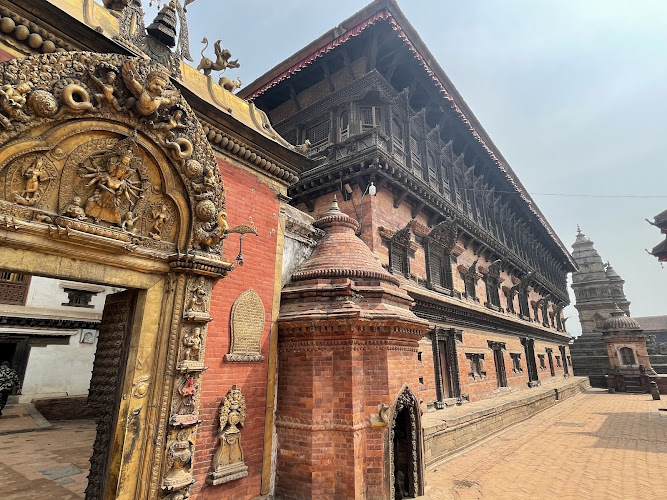
55 Window Palace
63 Satdobato-Godavari Rd
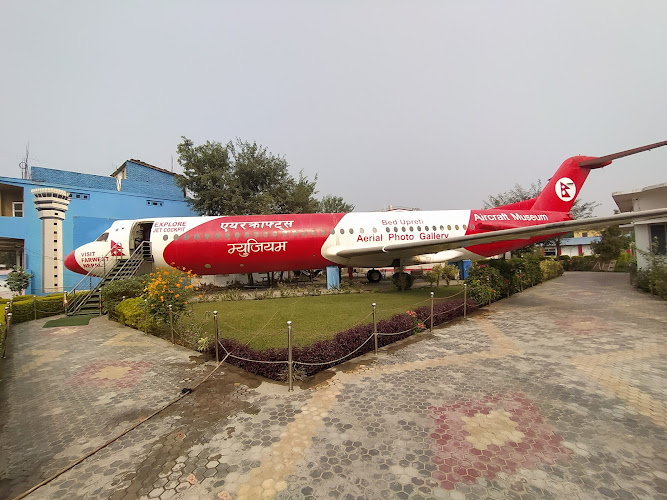
Aircraft Museum
Tours & Activities
GetYourGuide provides this tour inventory. We may earn a commission if you book through it; verify current availability, prices, and terms with the provider.
Visitor Reviews
There are no reviews yet. Be the first one to write one.
Share Your Experience
Have you visited Panauti Durbar Square पनौती दरबार क्षेत्र? Help other travelers by leaving a review.