
Shahrud Museum
About Shahrud Museum
Description
The Shahrud Museum is one of those places that quietly sneaks up on you with its charm. At first glance, it might seem like just another small-town museum, but once inside, you realize it’s a treasure chest of stories, artifacts, and culture that reflect the long and layered history of Shahrud and the wider Semnan province. It’s not overly flashy or overwhelming, which honestly makes it more approachable for travelers who want to learn without feeling like they’re cramming for a history exam. The museum feels personal, like it’s been put together with care rather than showmanship, and that makes the experience more memorable.
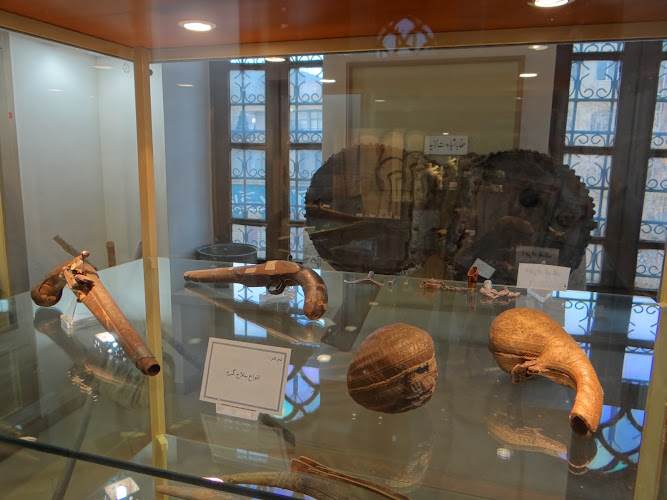
What stands out is the balance. Some exhibits are deeply historical, showing you relics and artifacts that date back centuries, while others lean into the cultural traditions that still shape life in this part of Iran today. You’ll find pottery, coins, textiles, and even everyday household items that whisper stories of people who lived here long before us. It’s not the kind of place where you’ll spend an entire day, but it’s definitely worth a couple of hours if you’re curious about the roots of the region. And because it’s not as crowded as the big-name museums in Tehran or Isfahan, you can actually take your time without being jostled around by tour groups.
One thing I personally appreciated is that the museum is well-kept and feels welcoming. The staff are approachable, often happy to explain things if you ask, and the space itself is clean and thoughtfully arranged. There’s even a restroom that’s wheelchair accessible, which is a detail that makes a huge difference for many travelers but often gets overlooked in smaller institutions. While you won’t find a café or restaurant attached, the location is central enough that grabbing a bite nearby isn’t a hassle. And for families, it’s a surprisingly good stop—kids can enjoy the displays without feeling bored, especially since the exhibits aren’t overwhelming in scale.
Now, to be fair, not every visitor walks away dazzled. Some might find the collection smaller than expected, and yes, if you’re comparing it to the massive museums of Europe, it may feel modest. But that’s kind of the point—it’s a slice of Shahrud’s history, presented in a way that feels authentic rather than curated for mass tourism. For me, that authenticity is what makes it worth recommending. It’s the kind of place where you leave feeling like you’ve gotten to know the city a little better, not just ticked off another attraction.
Key Features
- Compact yet diverse collection of historical and cultural artifacts
- Wheelchair accessible restroom for inclusive access
- Family-friendly environment suitable for children
- Clean and well-maintained exhibition spaces
- Helpful staff who can provide context and explanations
- Central location, easy to combine with other sightseeing in Shahrud
Best Time to Visit
If you’re planning a trip, spring and autumn are hands-down the best seasons to visit Shahrud in general, and by extension, the museum. The weather is milder, making it easier to explore the city before or after your museum stop. Summer can get uncomfortably hot, which makes indoor activities like this appealing, but you’ll probably want to time your visit for earlier in the day to avoid the worst of the heat. Winter has its own charm, especially if you’re coming from Damghan or the surrounding mountains, but be prepared for chilly winds. Personally, I loved visiting in late October—the crisp air outside made stepping into the warm, quiet museum feel extra cozy.
How to Get There
Reaching the museum is straightforward if you’re already in Shahrud. The city is well-connected by road and rail, with buses and trains arriving from Tehran, Mashhad, and Semnan. Once in town, taxis are the easiest way to get around, and the museum’s central location means it won’t take long to reach. If you’re the type who enjoys walking, you can easily combine a stop here with other nearby sites. I once took a leisurely stroll from the bazaar area, and it was less than 20 minutes on foot—a nice way to soak in the city atmosphere before diving into its history inside the museum.
Tips for Visiting
First and foremost, try to get your tickets in advance if possible. It’s not that the museum is always packed, but having them sorted saves you time and just makes the experience smoother. Bring a bottle of water, especially if you’re visiting in the warmer months, since there’s no café on-site. If you’re traveling with kids, plan for about an hour or so—long enough to keep them interested but not so long that they get restless. And here’s a small but important tip: don’t rush. The museum isn’t huge, so it’s tempting to breeze through, but the real joy comes from slowing down and actually looking at the details in the artifacts.
Photography rules can vary, so check before you start snapping pictures. And if you’re someone who likes context (like me), consider reading a little about Shahrud’s history before your visit. It makes the displays click in a way that’s more meaningful. Lastly, wear comfortable shoes—you’ll probably end up exploring the surrounding streets after your visit, and that’s half the fun of being in Shahrud.
Key Features
- Compact yet diverse collection of historical and cultural artifacts
- Wheelchair accessible restroom for inclusive access
- Family-friendly environment suitable for children
- Clean and well-maintained exhibition spaces
- Helpful staff who can provide context and explanations
- Central location, easy to combine with other sightseeing in Shahrud
Tours & Activities
GetYourGuide provides this tour inventory. We may earn a commission if you book through it; verify current availability, prices, and terms with the provider.
Visitor Reviews
There are no reviews yet. Be the first one to write one.
Share Your Experience
Have you visited Shahrud Museum? Help other travelers by leaving a review.