
Yesemek Open Air Museum
About Yesemek Open Air Museum
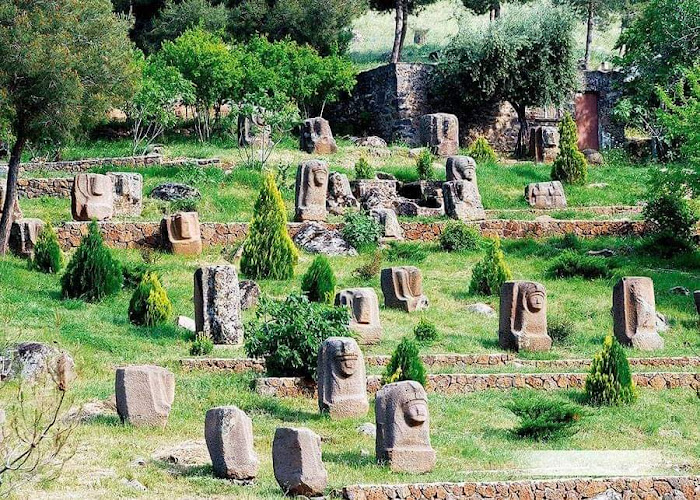
The Yesemek Open Air Museum in Gaziantep Province is one of those places that quietly blows your mind. It isn’t your typical museum with glass cases and velvet ropes. Instead, it’s a sprawling outdoor archaeological site where history feels raw, almost untouched. This was once the largest stone quarry and sculpture workshop of the ancient Near East, active between the late second millennium BC and the 8th century BC, during the height of Hittite influence. Walking through the site, you’ll see hundreds of half-finished statues scattered across the hillsides—lions, sphinxes, mountain gods—all frozen mid-creation, as if the craftsmen just put down their tools and walked away yesterday.
There’s a certain magic in that incompleteness. It gives you a glimpse into the process, the human side of history, rather than just the finished product. You can almost imagine the sound of chisels echoing across the valley thousands of years ago. And while some visitors find it rustic and even a bit rough around the edges compared to polished city museums, that’s exactly what makes it memorable. It’s not trying to impress with perfection—it’s letting you step into an ancient workshop, flaws and all.
The site is spread out, so expect to spend some time wandering. It’s family-friendly, with plenty of open space for kids to explore, though it’s not wheelchair accessible and the terrain can be uneven. Amenities are basic—you’ll find restrooms but no restaurants—so planning ahead with water and snacks is a smart move. Still, the sheer scale of the site and the sense of stepping back into the world of the Hittites makes it worth the effort.
Key Features
- The largest known stonemasonry workshop of the ancient Near East, covering about 100,000 square meters
- Over 300 sculptures and reliefs, many unfinished, including lions, sphinxes, and mythological figures
- Origins tracing back to the reign of Hittite King Suppiluliuma I in the 14th century BC
- Open-air setting on the Karatepe Hills with panoramic views of the surrounding countryside
- Family-friendly atmosphere with plenty of space for children to explore
- Authentic, less-commercialized experience compared to urban museums
Best Time to Visit
The museum is open year-round, but the best time to visit is spring (April to June) or autumn (September to early November). The weather is mild, the hills are greener, and walking the site feels more comfortable than in the scorching summer heat. Summer afternoons can be brutally hot in this part of Turkey, and since there’s little shade, it’s not the most enjoyable time to wander around. Winter is quieter, which some travelers love, but the landscape can feel a bit stark and chilly. Personally, I’d say go in spring—you’ll catch wildflowers blooming among the ancient stones, which adds a whole other layer of beauty.
How to Get There
Yesemek sits about 22 kilometers southeast of the Islahiye district in Gaziantep Province. If you’re coming from Gaziantep city, it’s roughly a 90-minute drive, depending on traffic. Renting a car is the easiest option, as public transportation connections are limited and not entirely reliable. The drive itself is scenic, winding through villages and farmland, giving you a taste of rural Turkey that you won’t see in the city.
For those who prefer not to drive, some local tour operators in Gaziantep include Yesemek in their itineraries, often pairing it with other nearby archaeological sites. Taxis are possible but can be pricey for the distance, and arranging a return ride might be tricky. If you’re adventurous, you could combine it with a day trip to Islahiye and explore the area at your own pace.
Tips for Visiting
First and foremost, wear comfortable shoes. The ground is uneven, and you’ll be walking a lot. A hat, sunscreen, and plenty of water are essential, especially if you’re visiting in summer. Don’t expect cafes or restaurants on-site—bring snacks or plan to eat in Islahiye or Gaziantep afterward.
Photography is a big part of the experience here. The unfinished statues scattered across the hills look dramatic at different times of day, especially in the late afternoon light. If you’re into history or archaeology, bring a guidebook or hire a guide at the site—you’ll appreciate the context behind the sculptures much more. Without it, the statues can look repetitive, but once you know the myths and symbolism, they come alive.
Families with kids will find it a surprisingly fun outing, as children can run around freely without the “don’t touch” rules of indoor museums. Just keep an eye on little ones near the uneven terrain. And if you’re someone who loves off-the-beaten-path experiences, this place is gold. It’s not crowded, and you might even have large sections of the site to yourself.
Lastly, go with an open mind. Yesemek isn’t polished or flashy, and that’s the charm. It’s about connecting with the raw remains of a civilization that thrived over 3,000 years ago. Take your time, breathe it in, and let your imagination wander—you’ll walk away with a deeper appreciation for the artistry and ambition of the Hittites.
Key Features
- The largest known stonemasonry workshop of the ancient Near East, covering about 100,000 square meters
- Over 300 sculptures and reliefs, many unfinished, including lions, sphinxes, and mythological figures
- Origins tracing back to the reign of Hittite King Suppiluliuma I in the 14th century BC
- Open-air setting on the Karatepe Hills with panoramic views of the surrounding countryside
- Family-friendly atmosphere with plenty of space for children to explore
- Authentic, less-commercialized experience compared to urban museums
You Might Also Like

*BDT BELEK DOGA TOUR | Daily Tours, Day Trips and Excursions in Antalya*
1464. Sk. No:55
2006. Sk. No:2
Tours & Activities
GetYourGuide provides this tour inventory. We may earn a commission if you book through it; verify current availability, prices, and terms with the provider.
Visitor Reviews
There are no reviews yet. Be the first one to write one.
Share Your Experience
Have you visited Yesemek Open Air Museum? Help other travelers by leaving a review.