
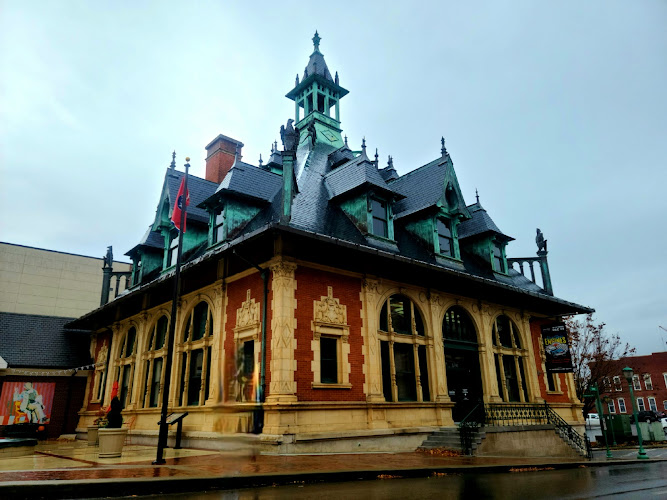
Customs House Museum and Cultural Center
About Customs House Museum and Cultural Center
The Customs House Museum and Cultural Center is a spacious, 35,000-square-foot destination in Clarksville that blends hands-on learning with curated exhibits aimed largely at younger visitors and families. It operates as both a museum and cultural center: part interactive children's museum, part art and cultural exhibition space, with a theater, gift shop, and cafe tucked inside. Exhibits encourage curiosity—kids can touch, experiment, create—and adults will find rotating displays, regional art, and educational programming that go deeper than the usual museum-sweep.
What makes this place stand out is that it feels lived-in. It’s not one of those hushed museums where people tiptoe and whisper; instead it hums with noise from workshops, small theater shows, and the kind of delighted chaos parents secretly enjoy. The layout favors exploration: wide galleries, activity stations, and zones designed for different age ranges. The cultural center angle means community exhibits and temporary installations appear frequently, so repeat visits are rewarded. Also, it’s accessible: wheelchair-friendly entrances, parking, and restrooms are part of the setup, which matters a lot when bringing a multi-generational group.
Theater performances and lecture-style events add a layer of programming that keeps things fresh. And yes, the gift shop is more than a place to buy tired souvenirs. It tends to stock locally made crafts, kid-friendly learning kits, and a few fun, quirky finds that make good gifts or take-home mementos. The cafe provides a place to sit and plan the next part of the day, though visitors should check hours—museum cafes can be unpredictable on weekdays.
The Customs House balances hands-on play with thoughtful exhibits in a way that’s efficient for families: parents can engage with exhibits alongside kids without feeling like they’re being corralled into one small corner. The space is large enough that noise disperses, and yet compact enough for an afternoon’s worth of exploration. On busy days it feels energetic; on quieter mornings it feels almost private, which is ideal for those who like to linger.
Key Features
- 35,000-square-foot museum and cultural center offering interactive art and science exhibits primarily aimed at children and families
- Hands-on learning zones where kids can touch, build, experiment, and create—intended to spark curiosity and STEM/art appreciation
- Theater space for performances, films, and live programming that complement rotating exhibits
- Onsite gift shop featuring local crafts, educational toys, and unique souvenirs
- Cafe and seating areas for snacks and short breaks during a visit
- Free on-site parking with wheelchair-accessible parking spaces
- Wheelchair accessible entrance and restrooms to accommodate visitors with mobility needs
- Guided tours available—great for school groups, seniors, and visitors who want deeper context
- Family-friendly crowd profile and programming—especially well-suited for small children and caregivers
- Admission fee required; membership options often available for locals and frequent visitors
Best Time to Visit
For the most relaxed experience, weekday mornings are the sweet spot. Schools sometimes schedule field trips in mid-morning, but many of those groups go later in the day or on specific field trip days, so arriving shortly after opening tends to avoid the largest crowds. If families want hands-on stations to themselves, aim for the first two hours after opening.
Weekends bring energy: special programs, theater events, and families out for a day trip. On these days the museum takes on a festival-like vibe. That can be fantastic—more activities, more demonstrators, sometimes guest artists—but it can also mean lines for popular exhibits and a busier cafe. If a quieter visit matters, the middle of the week is the better bet.
Seasonally, school breaks and summer months are busiest, unsurprisingly. But summer programming often includes camps and extended exhibit hours, so there’s a trade-off. If someone is traveling specifically to see a temporary exhibition, they should plan far enough ahead; popular shows can draw crowds even on weekdays.
How to Get There
Visitors will find the Customs House easy to reach by car. There is on-site parking and a free parking lot associated with the museum, including designated accessible spaces near the entrance—handy for families with strollers or older visitors. For those using rideshare or taxis, there’s a convenient drop-off area close to the entrance, so getting in and out with little kids or lots of gear is straightforward.
Public transportation options may serve the general area; however, most groups drive, especially when traveling with families and supplies. Bus parking or coach drop-off arrangements can typically be made in advance for larger groups—calling ahead to confirm logistics is recommended. The museum offers onsite services and tours, so those planning a guided visit should contact staff to reserve dates and ensure group accommodations.
Tips for Visiting
Plan for a two- to three-hour visit. That’s usually enough time to hit core exhibits, catch a short program or film in the theater, and linger in the kids’ zones without rushing. Families with very young children might want to factor in extra time for breaks at the cafe and bathroom visits—trust the writer who once tried to race a toddler to the restroom and lost.
Buy tickets in advance when possible. While the museum accepts walk-ins, popular times and special events can sell out. Purchasing tickets earlier reduces stress—especially on a tight travel schedule. Also, check for membership or multi-visit passes; if the museum will be a repeated stop during an extended stay in the area, a membership can pay off quickly.
Dress comfortably. Shoes that are easy to run (or chase a child) in are a good idea. Bring a light layer—museum spaces can vary in temperature—and a small backpack to stash a water bottle, snacks, and any jackets. The on-site cafe helps, but it’s nice to have essentials handy when little ones get hangry (it happens to the best of them).
Accessibility and accommodations: the Customs House provides wheelchair-accessible entrances, parking, and restrooms. If special accommodations are needed—quiet rooms, sensory-friendly visits, or large-print guides—it’s smart to contact the museum staff ahead of time. Museums are usually accommodating when given advance notice.
Check the schedule for theater shows and tours. Some programming requires separate reservations or has limited seating. If a specific exhibit or performance is the main reason for the trip, confirm times and any extra fees before heading out. The cultural center sometimes hosts short films, artist talks, and family workshops that are easy to miss if someone doesn’t plan ahead.
Don’t skip the gift shop. It’s not just a place to spend money; it’s where the museum’s personality often lives. The writer has bought kits and quirky local items from museum shops before and they make surprisingly good travel gifts. Cash isn’t always necessary, but carrying a credit card is sensible—especially for small purchases and membership purchases at the desk.
Photography policy: most museums allow non-flash photography in public spaces, but some temporary exhibits or performances may restrict photos. When in doubt, ask museum staff. Being considerate about flash and tripods keeps exhibits safe and other visitors happy.
Bring an appetite for curiosity. The Customs House is built for exploration: encourage kids to touch, play, and ask questions. Adults often discover exhibits they didn’t expect to enjoy—the art shows and cultural programming can surprise even jaded travelers.
If visiting with a group, ask about group rates and guided tours. Educators and group leaders should book in advance; the museum’s guided tours tailor content by age and interest, which makes them far more valuable than a casual walk-through.
Finally, allow for a little flexibility. Museums that combine hands-on activity with rotating exhibits can have unexpected closures for maintenance or exhibit changes. A quick call or a glance at the current schedule before setting out prevents disappointment. And if an exhibit is closed, the writer suggests treating it as an excuse to linger longer in the parts that are open—there’s usually a hidden gem waiting.
All in all, the Customs House Museum and Cultural Center is a thoughtful mix of kid-focused interactivity and cultural programming that appeals to curious travelers, families, and anyone who likes exhibits that invite participation. It’s a place where a half-day can turn into a whole afternoon without even noticing—the good kind of time-sink that makes travel feel richer.
Key Features
- 35,000-square-foot museum and cultural center offering interactive art and science exhibits primarily aimed at children and families
- Hands-on learning zones where kids can touch, build, experiment, and create—intended to spark curiosity and STEM/art appreciation
- Theater space for performances, films, and live programming that complement rotating exhibits
- Onsite gift shop featuring local crafts, educational toys, and unique souvenirs
- Cafe and seating areas for snacks and short breaks during a visit
- Free on-site parking with wheelchair-accessible parking spaces
- Wheelchair accessible entrance and restrooms to accommodate visitors with mobility needs
- Guided tours available—great for school groups, seniors, and visitors who want deeper context
You Might Also Like

'olołkoy Beach Park
"Dad" Perry Park
Tours & Activities
GetYourGuide provides this tour inventory. We may earn a commission if you book through it; verify current availability, prices, and terms with the provider.
Visitor Reviews
There are no reviews yet. Be the first one to write one.
Share Your Experience
Have you visited Customs House Museum and Cultural Center? Help other travelers by leaving a review.