
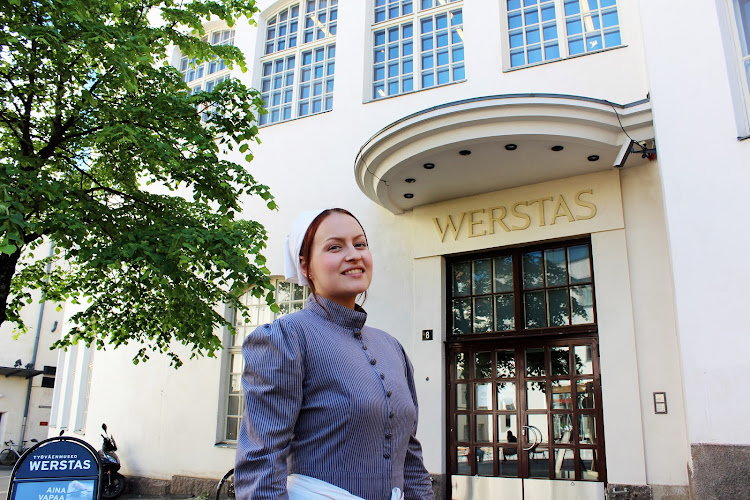
The Finnish Labour Museum Werstas
About The Finnish Labour Museum Werstas
Description
The Finnish Labour Museum Werstas sits as a thoughtful, sometimes surprising museum in the industrial heart of Tampere, Finland. It tells the story of working life, social change, and the technical machines that shaped communities — from the cotton mills and factory floors to the political movements and everyday kitchens of ordinary people. The museum takes a generous view of history: not only big dates and famous speeches, but the quiet, stubborn stuff of daily work, the rhythms of shifts and breaks, the smells of oil and steam, the tools with nicked handles. Visitors find that Werstas balances exhibits about labor rights, Finland's path to independence, and the age of steam with interactive displays and small, intimate objects that actually make history feel human.
Werstas uses a mix of permanent displays and changing exhibitions to cover a wide sweep of industrial and social history. The permanent sections focus on working life in Tampere and beyond, including the textile era that defined much of the city. The museum pays careful attention to the Finlayson heritage and other factories that transformed the landscape, while also charting broader topics like labor organizing, migration, gender roles in the workplace, and how communities adapted when industries declined. Steam engines and mechanical artifacts are not just boxed up; many are presented as living technology, with well-explained contexts so even someone who barely knows what a steam engine does can leave feeling like they get it.
This is not a dusty cabinet of curiosities. The curators often mix oral histories, photographs, posters, and machinery with hands-on experiences for children. There's a surprising amount of theater here — not literal performances every day, but staging that invites imagination: a recreated break room where the visitor can almost hear the hammering in the next room; a miniature model of a mill that suddenly clarifies how one single gear could change countless lives. For travelers who enjoy history layered with social meaning, Werstas rewards repeated visits. The museum also hosts events, workshops, and discussions, which means that a trip can feel different each time depending on what the calendar offers.
Accessibility and practical comforts have been reasonably well thought out. The main entrance is wheelchair accessible, and accessible parking and restrooms make it a practical stop for families and visitors with mobility needs. For parents bringing small children, there is a nursing room and kid-friendly exhibits; the place is genuinely family-friendly rather than just tolerant of families. Amenities are straightforward — clean restrooms and a small, pleasant atmosphere rather than a sprawling visitor center — which actually suits the museum's focus on everyday life. Paid parking is available in nearby garages for those arriving by car, and the museum's location within Tampere makes it an easy stop during a day exploring the city's cultural scene.
There is a quiet honesty in how the museum presents difficult themes. Werstas does not shy away from stories of hardship, long working hours, or the sometimes brutal conditions of early industrial mills. Yet it also finds room for dignity, resilience, and the communal bonds that formed on factory floors and in neighborhoods. Political history is treated as part of the social fabric — the struggle for workers rights, the role of unions, and Finland's journey toward independence are woven into the exhibits without heavy-handedness. Visitors who come expecting a dry textbook will be pleasantly surprised by the narrative energy. The displays encourage empathy and curiosity: who were the people who worked here, what did they dream about, what did they change?
Exhibits related to steam engines and machinery deserve special mention. The museum collects working engines and mechanical paraphernalia and often explains them with simple diagrams, audio guides, and hands-on elements. For mechanical enthusiasts or families with mechanically curious kids, these sections are a highlight. Werstas frames these machines within social history, which is important — instead of presenting technology as mere spectacle, the museum shows how machines altered work patterns, created new trades, and sometimes displaced entire communities. That perspective makes the steam engine displays feel both impressive and meaningful.
There is also an emphasis on storytelling. Oral histories and personal items — letters, uniforms, mementos — bring a texture that statistics alone cannot. One frequent visitor once left a note in the guest book saying they had unexpectedly recognized a relative in a black-and-white photograph, a quiet reminder that museums often hold personal memory as much as public history. Such moments happen here: people stop, squat down to examine a scrap of paper, and connect a museum object to their own family story. That human link is part of Werstas's charm and why many travelers recommend setting aside at least an hour and a half, possibly more, to absorb the place without rushing.
For visitors who like context, Werstas situates Tampere's industrial past within the larger Finnish and even international story. The museum addresses how global markets, technology transfer, and the textile industry shaped local life. It also discusses social reforms, labor movements, and how Finland's political landscape intersected with working-class activism. One will find maps, timelines, and explanatory panels that help place local stories in a broader frame. These contextual pieces make the museum useful for both casual travelers who want a readable history and for those doing more serious research on industrial and social history.
Practicalities worth noting: the museum's scale is comfortable, never overwhelming. That matters when a traveler wants a full cultural day without museum fatigue. Staff are generally helpful and often ready to answer questions or point to a lesser-known corner of the collection. Because Werstas sometimes runs temporary exhibitions and special events, it is worth checking the schedule before visiting. On slower days, that small-scale charm means the visitor might have whole galleries more or less to themselves, which is a rare treat in popular museum towns.
Werstas also supports learning with programming for schools and community groups, and those educational efforts sometimes spill into public events that travelers can attend. Workshops about old trades or talks on labor history offer an opportunity to see history in action and to hear local voices. The museum's interpretive approach tends to favor participation over passive viewing, which makes it suitable for families, international visitors, and people who prefer a tactile or auditory learning style.
Some visitors come for the technology, others for the social stories, and many leave finding both equally compelling. The tone of the museum is respectful rather than preachy, which is tricky to pull off but the curators manage it. The displays are curated to provoke thought: why did society change the way it did, who benefited, and who bore the cost. Those questions linger, and they may alter how a traveler thinks about urban landscapes, factories on riverbanks, or even the design of modern workplaces.
Finally, Werstas makes a solid complement to other cultural sites in Tampere. For a traveler assembling a day of museums, Werstas sits comfortably alongside art museums and science centers, providing the human and industrial counterpoint to aesthetic or technological stories elsewhere. The museum feels like a local conversation — accessible, sometimes witty, always rooted in the lived experience of work, community, and change. It rewards curiosity, invites conversation, and if the visitor is open to it, offers a fresh angle on how history is made by ordinary people and their machines.
In short, the Finnish Labour Museum Werstas is a considered, human-scale institution that treats labor history with nuance and care. It blends machines and memoirs, politics and play, and it does so in a way that often surprises travelers who expect dry displays. Those who spend time here will walk away with a clearer sense of how industry shaped Tampere and Finland, and with threads of human stories that stick in the memory long after the steam has cleared.
Key Features
The Finnish Labour Museum Werstas
Tours & Activities
GetYourGuide provides this tour inventory. We may earn a commission if you book through it; verify current availability, prices, and terms with the provider.
Visitor Reviews
There are no reviews yet. Be the first one to write one.
Share Your Experience
Have you visited The Finnish Labour Museum Werstas? Help other travelers by leaving a review.