

Edison Technology Park
About Edison Technology Park
Description
The Edison Technology Park in Menlo Park is a modern-day hub with deep historical echoes of innovation, drawing both business travelers and curious wanderers who want to get a sense of where research, invention, and entrepreneurial spirit intersect. It is an accessible, thoughtfully developed site that combines functional workspaces with a nod to the inventive spirit of Thomas Alva Edison, who forever changed the world with his incandescent light bulb and phonograph. Visitors often describe it as not just a place of forward-thinking development but also a living reminder of the inventor’s original laboratory spirit. The layout is practical yet distinctive, and it feels both professional and approachable. What stands out most is that it isn’t overwhelming—you don’t need to be an engineer or a tech enthusiast to appreciate the sense of progress and creativity built into its walls. Whether someone is here on business or exploring out of curiosity, it has details that spark conversation.
While some may see it primarily as a commercial complex, it’s actually more than just offices. The park brings together research-minded companies, technology-focused organizations, and individuals who continue the cycle of creating, experimenting, and building. There’s a subtle reverence in the design, where references to Edison’s original Menlo Park laboratory offer context to the innovative atmosphere. It doesn’t try too hard—it lets the history speak for itself while pointing firmly toward the future. Accessibility is also worth mentioning. The entrance and parking are fully wheelchair friendly, and the park itself feels carefully designed so that everyone can experience it equally. It’s easy to appreciate how much attention went into details that keep it efficient, tech-driven, and still welcoming.
What people notice when they visit is that it balances two identities at once: a functional complex for tech development and a subtle memorial to the legacy of invention. That balance gives it a unique flavor—something different from your standard office park or sterile lab space. When walking around, there’s almost a “working museum” quality. You might catch yourself imagining Edison and his team back in the nineteenth century working late nights on prototypes. At the same time, you know right now in the same area new technologies are quietly being built that could shape the next decade.
Key Features
- Modern technology park with strong historical ties to Thomas Edison’s inventive legacy
- Environment designed for both research and business development in technology fields
- Architectural nods to the original Menlo Park laboratory site
- Accessible entrances and parking for visitors of all physical abilities
- Spaces used by cutting-edge organizations working on new devices and ideas
- A blend of practical office buildings, collaborative spaces, and reminders of the site’s historic role in innovation
Best Time to Visit
Travelers generally find that weekdays offer the best chance to catch the park in its most active state. You can see people coming and going to their offices, hear the low hum of workshops in operation, and sense how ideas are constantly in motion. On quieter days, it has a more reflective feel, almost as though you’re walking through a modern memorial site. California’s moderate climate means you can really visit year-round without worrying too much about the weather. Still, spring and early autumn are particularly comfortable if you’re the type who likes walking slowly around a site, taking in the details, and snapping a few photos without rushing back inside from the heat.
In my experience, late afternoons tend to be the sweet spot—activity is winding down but there’s still a buzz in the air, and the golden California light makes the buildings look especially photogenic. If you’re someone who enjoys pairing your day with nearby attractions in Menlo Park or Palo Alto, planning a visit in the middle of a wider day trip works really well.
How to Get There
Menlo Park sits right in the heart of Silicon Valley, which means getting to the Edison Technology Park is relatively straightforward. If you’re coming from San Francisco, it’s usually about a 40–50 minute drive down US-101, depending on traffic (and let’s be honest, Bay Area traffic is its own character, so always budget extra time). Those arriving from San Jose will find it’s a quicker trip, usually around 25–30 minutes by car.
Public transportation offers options too. Caltrain stops in Menlo Park, and from there a short rideshare or local bus ride will get you to the park. For visitors flying in, both San Francisco International Airport and San Jose International Airport are convenient gateways, each within a manageable drive. And if you’re already exploring Stanford University, it’s just a short hop—making it easy to add this stop into your itinerary without rearranging much. Parking on site is accessible and straightforward, which is particularly helpful if you’re not familiar with navigating Bay Area roads.
Tips for Visiting
One of my favorite things about exploring sites like Edison Technology Park is going in with curiosity but not rigid expectations. It’s not a museum with dusty exhibits behind glass—it’s very much alive and working. That’s something to prepare for. If you’re hoping for a deep “history-only” style visit, you might be surprised at the modern atmosphere. But that’s what makes it memorable: the way the historic and modern sit side by side. Here are a few tips worth keeping in mind:
- Keep an open mind. You’re entering an active technology park, so it may be a little different from touristy attractions. Let the understated innovation impress you instead of searching for standard sightseeing markers.
- Take your time to walk around. Even though it’s not enormous, walking slowly lets you notice thoughtful architectural details and subtle design touches referencing Edison’s laboratory days.
- Consider visiting during business hours. That’s when you’re most likely to feel the “buzz” of energy and see the professional rhythm of the park.
- Pair it with nearby plans. Menlo Park is central in Silicon Valley. Combine your visit with a stop at Stanford or Palo Alto for a full day of tech and history exploration.
- Bring some perspective. Before arriving, brushing up on a little Edison history—the invention of the phonograph, the development of incandescent light—adds a richer layer when you’re standing in the spaces tied to his legacy.
Most importantly, let yourself imagine. Imagine thousands of patents stemming from relentless nights of trial and error. Picture the first light bulb flickering to life in an experimental room not too far from where you stand. And then consider how new devices and research happening here today could reshape everyday life in ways we’ll only fully understand years from now. That mix of past and present is what makes Edison Technology Park worth the visit—not just checking off another stop but truly feeling the continuity of invention that defines Menlo Park in the United States of America.
Key Features
- Modern technology park with strong historical ties to Thomas Edison’s inventive legacy
- Environment designed for both research and business development in technology fields
- Architectural nods to the original Menlo Park laboratory site
- Accessible entrances and parking for visitors of all physical abilities
- Spaces used by cutting-edge organizations working on new devices and ideas
- A blend of practical office buildings, collaborative spaces, and reminders of the site’s historic role in innovation
More Details
Updated October 1, 2025
Table of Contents
Description
The Edison Technology Park in Menlo Park is a modern-day hub with deep historical echoes of innovation, drawing both business travelers and curious wanderers who want to get a sense of where research, invention, and entrepreneurial spirit intersect. It is an accessible, thoughtfully developed site that combines functional workspaces with a nod to the inventive spirit of Thomas Alva Edison, who forever changed the world with his incandescent light bulb and phonograph. Visitors often describe it as not just a place of forward-thinking development but also a living reminder of the inventor’s original laboratory spirit. The layout is practical yet distinctive, and it feels both professional and approachable. What stands out most is that it isn’t overwhelming—you don’t need to be an engineer or a tech enthusiast to appreciate the sense of progress and creativity built into its walls. Whether someone is here on business or exploring out of curiosity, it has details that spark conversation.
While some may see it primarily as a commercial complex, it’s actually more than just offices. The park brings together research-minded companies, technology-focused organizations, and individuals who continue the cycle of creating, experimenting, and building. There’s a subtle reverence in the design, where references to Edison’s original Menlo Park laboratory offer context to the innovative atmosphere. It doesn’t try too hard—it lets the history speak for itself while pointing firmly toward the future. Accessibility is also worth mentioning. The entrance and parking are fully wheelchair friendly, and the park itself feels carefully designed so that everyone can experience it equally. It’s easy to appreciate how much attention went into details that keep it efficient, tech-driven, and still welcoming.
What people notice when they visit is that it balances two identities at once: a functional complex for tech development and a subtle memorial to the legacy of invention. That balance gives it a unique flavor—something different from your standard office park or sterile lab space. When walking around, there’s almost a “working museum” quality. You might catch yourself imagining Edison and his team back in the nineteenth century working late nights on prototypes. At the same time, you know right now in the same area new technologies are quietly being built that could shape the next decade.
Key Features
- Modern technology park with strong historical ties to Thomas Edison’s inventive legacy
- Environment designed for both research and business development in technology fields
- Architectural nods to the original Menlo Park laboratory site
- Accessible entrances and parking for visitors of all physical abilities
- Spaces used by cutting-edge organizations working on new devices and ideas
- A blend of practical office buildings, collaborative spaces, and reminders of the site’s historic role in innovation
Best Time to Visit
Travelers generally find that weekdays offer the best chance to catch the park in its most active state. You can see people coming and going to their offices, hear the low hum of workshops in operation, and sense how ideas are constantly in motion. On quieter days, it has a more reflective feel, almost as though you’re walking through a modern memorial site. California’s moderate climate means you can really visit year-round without worrying too much about the weather. Still, spring and early autumn are particularly comfortable if you’re the type who likes walking slowly around a site, taking in the details, and snapping a few photos without rushing back inside from the heat.
In my experience, late afternoons tend to be the sweet spot—activity is winding down but there’s still a buzz in the air, and the golden California light makes the buildings look especially photogenic. If you’re someone who enjoys pairing your day with nearby attractions in Menlo Park or Palo Alto, planning a visit in the middle of a wider day trip works really well.
How to Get There
Menlo Park sits right in the heart of Silicon Valley, which means getting to the Edison Technology Park is relatively straightforward. If you’re coming from San Francisco, it’s usually about a 40–50 minute drive down US-101, depending on traffic (and let’s be honest, Bay Area traffic is its own character, so always budget extra time). Those arriving from San Jose will find it’s a quicker trip, usually around 25–30 minutes by car.
Public transportation offers options too. Caltrain stops in Menlo Park, and from there a short rideshare or local bus ride will get you to the park. For visitors flying in, both San Francisco International Airport and San Jose International Airport are convenient gateways, each within a manageable drive. And if you’re already exploring Stanford University, it’s just a short hop—making it easy to add this stop into your itinerary without rearranging much. Parking on site is accessible and straightforward, which is particularly helpful if you’re not familiar with navigating Bay Area roads.
Tips for Visiting
One of my favorite things about exploring sites like Edison Technology Park is going in with curiosity but not rigid expectations. It’s not a museum with dusty exhibits behind glass—it’s very much alive and working. That’s something to prepare for. If you’re hoping for a deep “history-only” style visit, you might be surprised at the modern atmosphere. But that’s what makes it memorable: the way the historic and modern sit side by side. Here are a few tips worth keeping in mind:
- Keep an open mind. You’re entering an active technology park, so it may be a little different from touristy attractions. Let the understated innovation impress you instead of searching for standard sightseeing markers.
- Take your time to walk around. Even though it’s not enormous, walking slowly lets you notice thoughtful architectural details and subtle design touches referencing Edison’s laboratory days.
- Consider visiting during business hours. That’s when you’re most likely to feel the “buzz” of energy and see the professional rhythm of the park.
- Pair it with nearby plans. Menlo Park is central in Silicon Valley. Combine your visit with a stop at Stanford or Palo Alto for a full day of tech and history exploration.
- Bring some perspective. Before arriving, brushing up on a little Edison history—the invention of the phonograph, the development of incandescent light—adds a richer layer when you’re standing in the spaces tied to his legacy.
Most importantly, let yourself imagine. Imagine thousands of patents stemming from relentless nights of trial and error. Picture the first light bulb flickering to life in an experimental room not too far from where you stand. And then consider how new devices and research happening here today could reshape everyday life in ways we’ll only fully understand years from now. That mix of past and present is what makes Edison Technology Park worth the visit—not just checking off another stop but truly feeling the continuity of invention that defines Menlo Park in the United States of America.
Key Highlights
- Modern technology park with strong historical ties to Thomas Edison’s inventive legacy
- Environment designed for both research and business development in technology fields
- Architectural nods to the original Menlo Park laboratory site
- Accessible entrances and parking for visitors of all physical abilities
- Spaces used by cutting-edge organizations working on new devices and ideas
- A blend of practical office buildings, collaborative spaces, and reminders of the site’s historic role in innovation
Location
Places to Stay Near Edison Technology Park
Find and Book a Tour
Explore More Travel Guides
No reviews found! Be the first to review!
Traveler Reviews for Edison Technology Park
There are no reviews yet. Be the first one to write one.
Have you visited Edison Technology Park? Help other travelers by sharing your review.
You Might Also Like
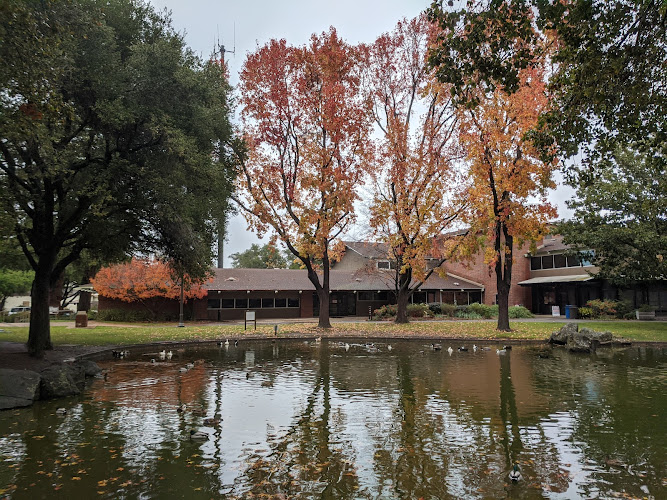
City of Menlo Park City Hall
Trinity Dr
Conway Construction and Consulting
Find Accommodations Nearby
Recommended Tours & Activities
Visitor Reviews
There are no reviews yet. Be the first one to write one.
Share Your Experience
Have you visited Edison Technology Park? Help other travelers by leaving a review.