
Beijixing Watches Culture Museum
About Beijixing Watches Culture Museum
BEIJIXING WATCHES CULTURE MUSEUM (Yantai) – 2022 What to Know BEFORE You Go
# Beijixing Watches Culture Museum (Yantai): A Practical Guide for Time-History Fans
Location: Zhifu District, Yantai, Shandong, China (commonly listed on or just off Binhai North Road). Coordinates frequently cited around 37.5438, 121.4060 in central Yantai.
—
## Why this museum matters
Multiple Chinese travel references describe the Beijixing (Polaris) Watches/Clock Culture Museum as China’s first—and for years the only—watch-culture museum, with claims that it is among the largest of its kind in Asia. That positioning is echoed across Chinese-language travel portals and summaries. Treat it as an important niche collection for understanding the country’s modern timekeeping industry centered in Yantai.
The Beijixing brand (“Polaris”) is historically significant in Chinese horology, with roots dating back to 1915 and recognition as a heritage manufacturer. That industrial backstory is tightly interwoven with the museum narrative.
—
## What you’ll actually see inside
Based on Chinese museum write-ups and local features, exhibits are organized to tell a coherent timeline rather than just display pretty clocks:
– Ancient Chinese timekeeping: sundials, water clocks, and early mechanical devices illustrate indigenous approaches to measuring time.
– Technology & “machine age” watchmaking: sections explaining escapements, balance springs, and the shift from mechanical to quartz.
– World classics gallery: European and Japanese pieces, with popular mentions of 17th–18th century French art clocks and rare imports.
– Yantai’s watch industry hall: the rise, setbacks, and resurgence of Yantai’s factories; this is where the Polaris/Beijixing brand’s role is mapped to national industry phases.
– Hands-on/assembly demo: selective write-ups mention an area for assembly demonstration or DIY education used for school groups and science outreach. Availability can vary by program day.
Tripadvisor user posts (limited in number) back up the general impression: a compact but distinctive collection that emphasizes the development of mechanical clocks and watches in China.
—
## Where it is—and why addresses vary online
You’ll see a few different map pins and addresses in English and Chinese:
– Binhai North Road (Zhifu District) is the most common English-language address cluster used by ticketing sites.
– Chinese portals also list Guangren Road 21 (广仁路21号) in the Zhifu Binhai scenic zone, describing a historic building complex used by the museum. The façade shown in photos (with a large freestanding clock in front) matches this description.
– Map snippets sometimes resolve to a Plus-code area (GCV4+GC6) on Binhai Beilu—useful if you’re navigating by coordinates.
Bottom line: plan for the Zhifu District waterfront area near Binhai North Road; verify the exact entrance on arrival since the museum occupies/uses historic premises within a small block.
—
## Practical tips (hours, tickets, language, access)
– Opening hours: Third-party Chinese listings commonly show daytime hours roughly 08:30–17:30. Hours for small museums can change seasonally or during special programs—confirm on the day you go.
– Tickets: OTA pages sell admission and bundle it with nearby sights, but prices fluctuate and some portals are agency storefronts. If you’re in Yantai already, buying on site is straightforward. (No authoritative official price sheet is published on the sources we checked.)
– Language: Expect labels primarily in Chinese, with limited English. The storyline is still followable thanks to layouts (ancient → modern → local industry). If you read Chinese, Ctrip/Qunar pages outline gallery themes well.
– Photography: Public photos of the interior and courtyard pieces are common on review sites. Follow on-site signage regarding flash and tripods.
– Accessibility: The museum uses historic buildings. None of the public sources provide definitive accessibility specs (elevators, ramps, accessible restrooms). If mobility access is essential, call ahead or plan a quick scout; do not rely on assumptions from pictures alone.
—
## How to combine it with a smart Yantai itinerary
Within a short radius you can build a half-day micro-itinerary:
– Yantai Mountain Scenic Area (historic lighthouse and treaty-era buildings).
– Changyu Wine Culture Museum (China’s oldest industrial winery; cellars and brand history).
This pairing keeps walking time down and gives a balanced industry + culture theme for the day.
—
## For the watch/clock enthusiast
– Brand & factory context: Enthusiasts often connect a museum visit with curiosity about Polaris/Beijixing production history in Yantai; hobbyist posts confirm visits to the Polaris factory and the horology museum back in 2014. It’s not a factory tour today, but the museum narrative supplies the context.
– Claimed highlights cited on Chinese portals include:
– a German annual clock associated in publicity with the Qing court;
– Japanese and European novelty/art pieces;
– notable “firsts” in China’s modern timekeeping (e.g., early shipboard clocks, early quartz station clocks) displayed to represent milestones. Treat these as exhibit talking points drawn from museum communications rather than independently verified provenance lists.
—
## Visiting notes that save time
– Go on a weekday morning for quieter galleries; that’s consistent with general museum traffic patterns locally and echoed in travel tips sections.
– Budget 60–90 minutes for a thorough pass; add time if you read labels in detail. (No official dwell-time data is published; this is an itinerary planning estimate based on gallery scope shown in sources.)
– Bring a translation app if you don’t read Chinese; signage varies by hall and may skew Chinese-first.
—
## Essential facts (concise)
– Official name variants: Beijixing/Polaris Watches/Clock Culture Museum; you may also see “Polaris Heritage Museum of Clocks and Watches.” Searching with either English or 北极星钟表文化博物馆 returns the same place.
– Area & setup: Exhibitions cover ancient instruments → science/technology → world classics → Yantai industry; school-program/DIY halls appear in some descriptions.
– Heritage building: Chinese sources emphasize a century-old building group on Guangren Road used as museum premises, which explains the classic façade you’ll see in photos.
—
## Data accuracy & what might be outdated
– “Only museum of its kind” / “largest in Asia” statements appear in several Chinese travel pages, but they read like long-standing promotional descriptors. Treat them as claims from local sources, not audited rankings.
– Hours & ticketing: We did not find a current, authoritative official page with a dated notice; third-party times (e.g., 08:30–17:30) and bundled tickets can change. Verify on arrival or via a local hotel concierge/phone inquiry.
– Exact entrance: Because multiple addresses circulate (Binhai North Road vs. Guangren Road 21), allow a few extra minutes to orient once you reach the block.
—
### Nearby orientation
– District: Zhifu (central Yantai waterfront).
– Common coordinates used by travel sites: 37.5438, 121.4060—helpful for ride-hailing apps.
—
Sources consulted include Chinese travel portals and English-language review listings for cross-checks on exhibits, address patterns, and museum scope. Where multiple third-party claims disagreed (e.g., exact address and superlatives), those are flagged above so you can verify on site before committing to timed add-ons.
Key Features
Beijixing Watches Culture Museum
You Might Also Like
Huanghai Amusement City
Jiuzhangya
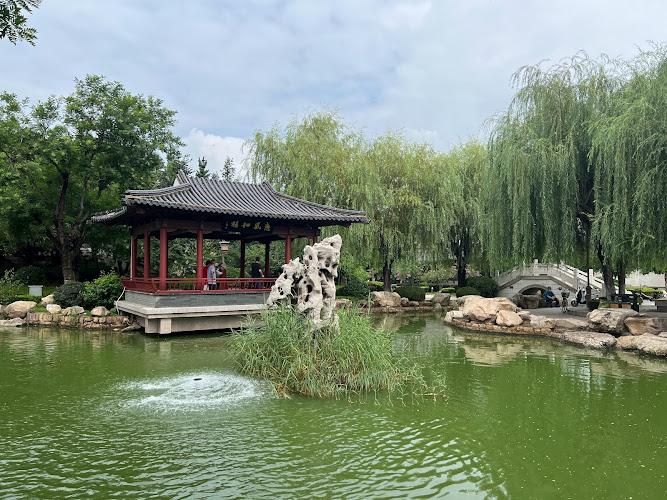
Kuixing Park
Tours & Activities
GetYourGuide provides this tour inventory. We may earn a commission if you book through it; verify current availability, prices, and terms with the provider.
Visitor Reviews
There are no reviews yet. Be the first one to write one.
Share Your Experience
Have you visited Beijixing Watches Culture Museum? Help other travelers by leaving a review.