
Satchari National Park
About Satchari National Park
Description
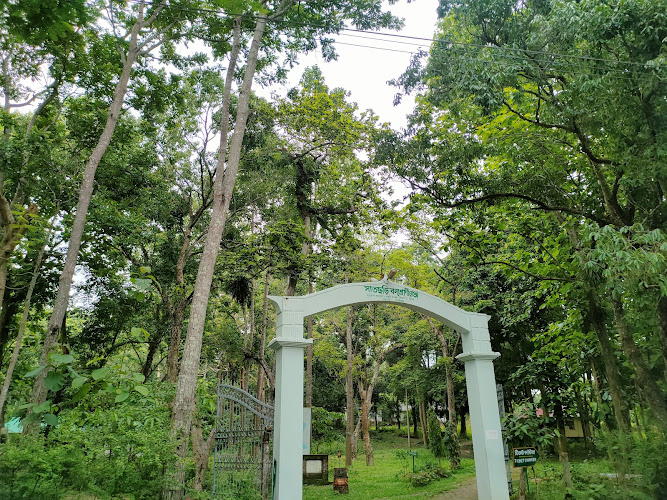
Satchari National Park is one of those places that makes you forget, for a while, that the modern world is buzzing just beyond the trees. It's a protected forest area in Bangladesh, known for its lush greenery, winding hiking trails, and the occasional glimpse of rare wildlife—like the oriental pied hornbill or the gibbons swinging high above. The name “Satchari” literally means “Seven Streams,” and if you listen closely while walking, you might just hear the gentle trickle of water weaving through the forest floor.
The park isn’t huge compared to some sprawling reserves, but that’s part of its charm. You can explore it in a day without feeling rushed, yet still leave with the sense you’ve stepped into an entirely different world. There’s an observation tower that offers a panoramic view of the treetops, and if you’re lucky, you might spot a hornbill gliding across the canopy. And yes, the air here feels different—cleaner, cooler, and with that earthy scent that only comes from untouched forest.
It’s a place that’s clearly loved by many visitors—families, hikers, birdwatchers, and the occasional group of friends just looking for a quiet picnic spot. But like any popular attraction, it has its quirks. Some areas can feel a little worn, especially near the playground and picnic zones, and the facilities aren’t exactly luxury. But for those who come for the nature, the sound of birds at dawn, and the crunch of leaves underfoot, the park more than delivers.
What I personally love is that it doesn’t feel over-commercialized. You won’t find rows of souvenir stalls or loudspeakers blaring music (thankfully). Instead, you might see a local family grilling lunch at one of the barbecue spots, kids playing on swings, or a hiker pausing mid-trail to snap a photo of a butterfly. It’s a simple, grounded kind of beauty—the kind that sticks with you long after you’ve left.
Key Features
- Protected forest habitat home to rare wildlife like gibbons and oriental pied hornbills
- Multiple hiking trails ranging from easy walks to more challenging treks
- Observation tower with panoramic views of the forest canopy
- Picnic areas with barbecue grills, tables, and shaded spots
- Wheelchair accessible entrance and parking facilities
- Kid-friendly amenities including swings, slides, and a playground
- Dog park and pet-friendly areas
- Public restrooms available on-site
- Cash-only payment system for entry and services
Best Time to Visit
If you ask me, the best time to visit Satchari National Park is during the cooler, drier months—roughly from November to February. The weather is much more pleasant then, with less humidity weighing you down and a higher chance of spotting wildlife out in the open. Mornings are especially magical during this time; the mist hangs low over the trees, and the forest feels like it’s slowly waking up around you.
That said, the rainy season (June to September) has its own charm. The streams are fuller, the greenery is more intense, and the forest seems alive in a different way. But be prepared for muddy trails and the occasional leech hitching a ride on your shoe. If you’re the type who doesn’t mind a bit of adventure and doesn’t mind getting your feet wet, it can be a rewarding experience.
Weekdays are generally quieter, which means more space to yourself and less chance of bumping into large tour groups. If you’re planning to photograph wildlife, early mornings or late afternoons are your best bet—both for the lighting and for catching animals when they’re most active.
How to Get There
Reaching Satchari National Park is fairly straightforward if you’ve got your route planned. Most travelers start from Sylhet or Dhaka, and the park lies along the Sylhet-Dhaka highway. If you’re driving, you’ll find signposts along the way, though I’d still recommend having a map or GPS handy—some turns can sneak up on you.
Public transport is an option too. Buses run regularly along the main highway, and you can hop off at the nearest stop before taking a short rickshaw or local transport ride to the entrance. If you’re traveling with a group or carrying gear for a picnic, hiring a private car might be the more comfortable choice.
One thing to keep in mind: the park operates on a cash-only basis, so make sure you’ve got enough local currency before you set off. There aren’t any ATMs nearby, and you don’t want to be stuck counting coins at the gate.
Tips for Visiting
First and foremost—wear comfortable shoes. Even if you’re just planning a short walk, the trails can be uneven, and you might find yourself tempted to wander further than you intended. A hat and sunscreen are also a good idea, especially if you plan to spend time at the observation tower or in open picnic areas.
Bring water. There are some facilities, but they’re basic, and you’ll be glad you packed your own supply. If you’re visiting with kids, the playground and open spaces are a big hit, but keep an eye on them near the trails—some areas drop off sharply or lead into denser forest.
Wildlife spotting is one of the highlights here, but it requires patience. Move slowly, keep your voice down, and you’ll be more likely to see hornbills, monkeys, or even a shy gibbon. And please, don’t feed the animals. It’s tempting, I know, but it disrupts their natural behavior and diet.
If you’re planning a picnic, arrive early to claim a good spot. The shaded tables near the streams go fast on weekends. And if you’re bringing your dog, remember to use the designated pet-friendly areas—there’s even a dog park for them to run around in.
Lastly, don’t rush. This isn’t the kind of place you “do” in an hour. Give yourself time to wander, to sit quietly and listen, to notice the little things—the way the light filters through the leaves, the sound of a woodpecker tapping somewhere in the distance. That’s when Satchari really works its magic.
Key Features
- Protected forest habitat home to rare wildlife like gibbons and oriental pied hornbills
- Multiple hiking trails ranging from easy walks to more challenging treks
- Observation tower with panoramic views of the forest canopy
- Picnic areas with barbecue grills, tables, and shaded spots
- Wheelchair accessible entrance and parking facilities
- Kid-friendly amenities including swings, slides, and a playground
- Dog park and pet-friendly areas
- Public restrooms available on-site
More Details
Updated August 9, 2025
Table of Contents
Description
Satchari National Park is one of those places that makes you forget, for a while, that the modern world is buzzing just beyond the trees. It’s a protected forest area in Bangladesh, known for its lush greenery, winding hiking trails, and the occasional glimpse of rare wildlife—like the oriental pied hornbill or the gibbons swinging high above. The name “Satchari” literally means “Seven Streams,” and if you listen closely while walking, you might just hear the gentle trickle of water weaving through the forest floor.
The park isn’t huge compared to some sprawling reserves, but that’s part of its charm. You can explore it in a day without feeling rushed, yet still leave with the sense you’ve stepped into an entirely different world. There’s an observation tower that offers a panoramic view of the treetops, and if you’re lucky, you might spot a hornbill gliding across the canopy. And yes, the air here feels different—cleaner, cooler, and with that earthy scent that only comes from untouched forest.
It’s a place that’s clearly loved by many visitors—families, hikers, birdwatchers, and the occasional group of friends just looking for a quiet picnic spot. But like any popular attraction, it has its quirks. Some areas can feel a little worn, especially near the playground and picnic zones, and the facilities aren’t exactly luxury. But for those who come for the nature, the sound of birds at dawn, and the crunch of leaves underfoot, the park more than delivers.
What I personally love is that it doesn’t feel over-commercialized. You won’t find rows of souvenir stalls or loudspeakers blaring music (thankfully). Instead, you might see a local family grilling lunch at one of the barbecue spots, kids playing on swings, or a hiker pausing mid-trail to snap a photo of a butterfly. It’s a simple, grounded kind of beauty—the kind that sticks with you long after you’ve left.
Key Features
- Protected forest habitat home to rare wildlife like gibbons and oriental pied hornbills
- Multiple hiking trails ranging from easy walks to more challenging treks
- Observation tower with panoramic views of the forest canopy
- Picnic areas with barbecue grills, tables, and shaded spots
- Wheelchair accessible entrance and parking facilities
- Kid-friendly amenities including swings, slides, and a playground
- Dog park and pet-friendly areas
- Public restrooms available on-site
- Cash-only payment system for entry and services
Best Time to Visit
If you ask me, the best time to visit Satchari National Park is during the cooler, drier months—roughly from November to February. The weather is much more pleasant then, with less humidity weighing you down and a higher chance of spotting wildlife out in the open. Mornings are especially magical during this time; the mist hangs low over the trees, and the forest feels like it’s slowly waking up around you.
That said, the rainy season (June to September) has its own charm. The streams are fuller, the greenery is more intense, and the forest seems alive in a different way. But be prepared for muddy trails and the occasional leech hitching a ride on your shoe. If you’re the type who doesn’t mind a bit of adventure and doesn’t mind getting your feet wet, it can be a rewarding experience.
Weekdays are generally quieter, which means more space to yourself and less chance of bumping into large tour groups. If you’re planning to photograph wildlife, early mornings or late afternoons are your best bet—both for the lighting and for catching animals when they’re most active.
How to Get There
Reaching Satchari National Park is fairly straightforward if you’ve got your route planned. Most travelers start from Sylhet or Dhaka, and the park lies along the Sylhet-Dhaka highway. If you’re driving, you’ll find signposts along the way, though I’d still recommend having a map or GPS handy—some turns can sneak up on you.
Public transport is an option too. Buses run regularly along the main highway, and you can hop off at the nearest stop before taking a short rickshaw or local transport ride to the entrance. If you’re traveling with a group or carrying gear for a picnic, hiring a private car might be the more comfortable choice.
One thing to keep in mind: the park operates on a cash-only basis, so make sure you’ve got enough local currency before you set off. There aren’t any ATMs nearby, and you don’t want to be stuck counting coins at the gate.
Tips for Visiting
First and foremost—wear comfortable shoes. Even if you’re just planning a short walk, the trails can be uneven, and you might find yourself tempted to wander further than you intended. A hat and sunscreen are also a good idea, especially if you plan to spend time at the observation tower or in open picnic areas.
Bring water. There are some facilities, but they’re basic, and you’ll be glad you packed your own supply. If you’re visiting with kids, the playground and open spaces are a big hit, but keep an eye on them near the trails—some areas drop off sharply or lead into denser forest.
Wildlife spotting is one of the highlights here, but it requires patience. Move slowly, keep your voice down, and you’ll be more likely to see hornbills, monkeys, or even a shy gibbon. And please, don’t feed the animals. It’s tempting, I know, but it disrupts their natural behavior and diet.
If you’re planning a picnic, arrive early to claim a good spot. The shaded tables near the streams go fast on weekends. And if you’re bringing your dog, remember to use the designated pet-friendly areas—there’s even a dog park for them to run around in.
Lastly, don’t rush. This isn’t the kind of place you “do” in an hour. Give yourself time to wander, to sit quietly and listen, to notice the little things—the way the light filters through the leaves, the sound of a woodpecker tapping somewhere in the distance. That’s when Satchari really works its magic.
Key Highlights
- Protected forest habitat home to rare wildlife like gibbons and oriental pied hornbills
- Multiple hiking trails ranging from easy walks to more challenging treks
- Observation tower with panoramic views of the forest canopy
- Picnic areas with barbecue grills, tables, and shaded spots
- Wheelchair accessible entrance and parking facilities
- Kid-friendly amenities including swings, slides, and a playground
- Dog park and pet-friendly areas
- Public restrooms available on-site
Location
Places to Stay Near Satchari National Park
Find and Book a Tour
Explore More Travel Guides
No reviews found! Be the first to review!
Traveler Reviews for Satchari National Park
There are no reviews yet. Be the first one to write one.
Have you visited Satchari National Park? Help other travelers by sharing your review.
You Might Also Like

Isha Khan's Home and Museum
Sylhet Tourist Guide

Cumilla Cantonment
Find Accommodations Nearby
Recommended Tours & Activities
Visitor Reviews
There are no reviews yet. Be the first one to write one.
Share Your Experience
Have you visited Satchari National Park? Help other travelers by leaving a review.