
Bolton Museum, Aquarium and Archive
About Bolton Museum, Aquarium and Archive
Description
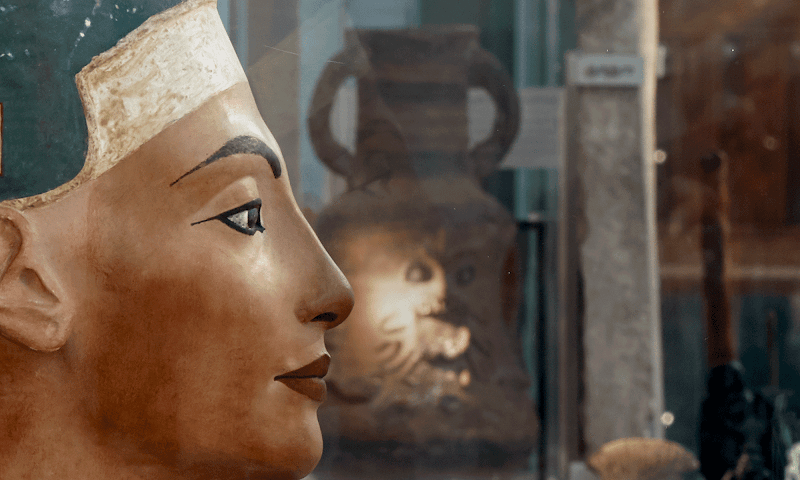
Bolton Museum, Aquarium and Archive sits inside an arresting 15th-century building in Bolton town centre and offers a layered experience that weaves local history, art and natural life into one visit. The complex feels like a small cultural hub — an art gallery and natural history space sharing corridors with an intimate aquarium and an archive that quietly houses the town's memory. Visitors often remark on how the place surprises: a grand old building on the outside, but inside it reveals pockets of collection after collection — paintings, decorative arts, Egyptian finds, natural history specimens and freshwater fish — all displayed in a way that makes history feel a little more human and less textbook-like.
The museum's art displays range from traditional oil paintings to decorative objects that reveal Bolton's industrial and civic story. The archive and library elements hold local records and materials that researchers and curious locals both use; they lend the museum a civic role beyond exhibitions. And the aquarium, while modest in size, is home to freshwater species that are a calming counterpoint to the human stories on show elsewhere in the building. For families, it's a positive mix: galleries to spark imagination, hands-on areas for kids in some exhibitions, and tanks where fish do what fish do best — glide, hide, and generally provide a quiet mesmerising pause.
While many visitors leave impressed by the breadth of the collection and the approachable layout, some note that certain galleries feel compact or that special exhibitions can make the busiest areas feel a bit crowded. Still, this compactness can be a benefit: one can see a lot without trudging around a massive museum all day. Accessibility is taken seriously here: wheelchair-accessible entrance, parking and restrooms are available, which makes the museum a practical choice for a wide range of visitors. A paid parking lot serves those driving in, and while there is no on-site restaurant, there are cafes and eateries in the surrounding area.
In short, Bolton Museum, Aquarium and Archive is not a blockbuster national museum where one spends a full day exploring every gallery. It is, however, an engaging local institution that rewards curiosity. The collections are thoughtfully selected and presented, the archive adds depth, and the aquarium is an unexpectedly peaceful highlight. Travelers who enjoy discovering local culture, regional art and small-scale natural history exhibitions will find it well worth a stop.
Key Features
- Historic building dating back to the 15th century with character-filled architecture and exhibition spaces
- Broad art collection including paintings and decorative art that reflect Bolton's civic and industrial past
- Small but atmospheric aquarium specialising in freshwater fish species
- Archive and library services offering local records and research materials for historians and genealogy enthusiasts
- Natural history specimens and displays that connect local ecology to wider natural stories
- Educational programming and family-friendly displays — good for children and school groups
- Full accessibility: wheelchair-accessible entrance, parking and restrooms
- Paid parking available nearby; close to Bolton town centre transport links
- Knowledgeable staff and volunteers who often provide context and helpful background (and sometimes the best anecdote about an object)
- Rotating special exhibitions that introduce new themes and collections periodically
Best Time to Visit
For a relaxed visit, weekdays in the late morning are ideal. The museum tends to be calmer after the breakfast rush and before the midday school groups or organised tours arrive. If someone prefers the livelier atmosphere of a busy cultural spot — with families, chatter and the more dynamic energy of special events — a Saturday afternoon delivers that. But fair warning: weekends can feel crowded in the smaller galleries, especially when a popular temporary exhibition is on display.
Seasonally, the museum works well year-round. On rainy days, the aquarium and indoor galleries offer a cozy refuge; in the summer, the surrounding town centre often has events or markets, so a visit can be combined with a stroll outdoors. Those who like to plan ahead should check the museum's program for special exhibitions and family activities — these can be excellent value and often provide unique displays not seen at other times of year.
A practical tip from a frequent visitor: arrive just as the museum opens if one wants to photograph galleries without people in the shots, or to quietly read in the archive reading room. It’s a small thing, but it makes a noticeable difference in experience.
How to Get There
Bolton Museum, Aquarium and Archive is conveniently positioned close to the town centre and is easy to reach by multiple modes of transport. Most visitors traveling from nearby cities in Greater Manchester will find public transport straightforward. Trains from Manchester to Bolton run regularly and the town station sits within a short taxi ride or a brisk walk to the museum — good for those who want to avoid parking hassles. Bus routes converge on Bolton town centre as well, with stops a short walk from the museum entrance.
For drivers, a paid parking lot serves the museum, and there are additional pay-and-display options nearby. The site provides wheelchair-accessible parking which is helpful for visitors with mobility needs. Because there is no restaurant within the museum, many visitors combine a museum trip with a nearby café lunch; parking near the centre makes that easy to plan.
Pedestrians and those staying locally will find the museum within walking distance of many central hotels and historic sites in Bolton. Bolton’s compact centre means it’s feasible to make a day of exploring: museum, some shops, a market visit and a relaxed walk without needing a car. For those who prefer cycling, there are public bike racks in the vicinity, though cyclists should be aware that the museum’s entrance is set within older streets and may require careful navigation.
Tips for Visiting
Plan a flexible timetable. Because the museum offers a mixture of art, archive and aquarium spaces, visitors often want to linger in one section more than another. Allow at least 90 minutes to two hours for a comfortable visit; if researching in the archive, allocate extra time for requests and reading.
Check the schedule for special exhibitions and workshops. These pop up periodically and can add real value to a trip. Some exhibitions may require a small admission fee, so it’s wise to enquire in advance or at the reception desk.
Accessibility matters here and is handled well. The wheelchair-accessible entrance and restroom, plus accessible parking, make the museum straightforward to visit for people with mobility needs. Staff are generally helpful if someone needs assistance moving between floors or locating certain displays.
Bring a notebook or a camera (respecting any no-flash rules in galleries). The archive reading room can be a goldmine for someone tracing family history or researching Bolton’s civic past. A quick aside: a repeat visitor once found a small, handwritten ledger in the archive that ended up giving them a story to share with relatives — little discoveries like that make a museum visit feel like detective work.
Food and drink: since there’s no on-site restaurant, visitors should plan accordingly. There are plenty of cafés nearby, and a picnic in a town centre green space can round off the day nicely. Those with specific dietary needs will find options in the centre, but planning ahead always helps.
Expect compact galleries. Some visitors appreciate the concise layout — it means less walking and more concentrated displays — but those used to cavernous national museums may find it different. If crowds are a concern, weekdays and early openings are the best bet.
Children and families will find the experience rewarding. The aquarium’s freshwater tanks often keep kids fascinated, and some galleries include interactive elements. However, children’s engagement varies by exhibition, so parents who rely on hands-on activities should check current program details to align expectations.
Shop and souvenirs: there is a small museum shop offering prints, books and locally themed items. It’s a good place to pick up a gift that supports the museum; many visitors enjoy taking home a little piece of local art or a book about the region’s history.
Photography rules are generally reasonable for personal use, but some exhibitions or archive materials may have restrictions. Ask a member of staff if unsure. And be courteous in the aquarium area — bright screens and loud chatter can disturb the calming atmosphere more than people expect.
Finally, allow room for serendipity. The museum rewards slow exploration. A casual wander through the decorative arts can lead to an unexpected favorite painting; a short stop at the aquarium can become a contemplative half-hour. Visitors who come with curiosity rather than a rigid checklist leave with better stories. It’s the local quirks and the small discoveries — the plaque about a town figure, the handwritten note in an exhibit, the way a school group reacts to a fossil — that make the visit stick in memory longer than a simple list of objects.
Key Features
- Historic building dating back to the 15th century with character-filled architecture and exhibition spaces
- Broad art collection including paintings and decorative art that reflect Bolton's civic and industrial past
- Small but atmospheric aquarium specialising in freshwater fish species
- Archive and library services offering local records and research materials for historians and genealogy enthusiasts
- Natural history specimens and displays that connect local ecology to wider natural stories
- Educational programming and family-friendly displays — good for children and school groups
- Full accessibility: wheelchair-accessible entrance, parking and restrooms
- Paid parking available nearby; close to Bolton town centre transport links
More Details
Updated August 29, 2025
Table of Contents
- Description
- Key Features
- Best Time to Visit
- How to Get There
- Tips for Visiting
- Key Highlights
- Location
- Places to Stay Near Bolton Museum, Aquarium and Archive
- Find and Book a Tour
- Explore More Travel Guides
- Nearby Places You Might Like
- Traveler Reviews for Bolton Museum, Aquarium and Archive
- Share Your Experience
Description
Bolton Museum, Aquarium and Archive sits inside an arresting 15th-century building in Bolton town centre and offers a layered experience that weaves local history, art and natural life into one visit. The complex feels like a small cultural hub — an art gallery and natural history space sharing corridors with an intimate aquarium and an archive that quietly houses the town’s memory. Visitors often remark on how the place surprises: a grand old building on the outside, but inside it reveals pockets of collection after collection — paintings, decorative arts, Egyptian finds, natural history specimens and freshwater fish — all displayed in a way that makes history feel a little more human and less textbook-like.
The museum’s art displays range from traditional oil paintings to decorative objects that reveal Bolton’s industrial and civic story. The archive and library elements hold local records and materials that researchers and curious locals both use; they lend the museum a civic role beyond exhibitions. And the aquarium, while modest in size, is home to freshwater species that are a calming counterpoint to the human stories on show elsewhere in the building. For families, it’s a positive mix: galleries to spark imagination, hands-on areas for kids in some exhibitions, and tanks where fish do what fish do best — glide, hide, and generally provide a quiet mesmerising pause.
While many visitors leave impressed by the breadth of the collection and the approachable layout, some note that certain galleries feel compact or that special exhibitions can make the busiest areas feel a bit crowded. Still, this compactness can be a benefit: one can see a lot without trudging around a massive museum all day. Accessibility is taken seriously here: wheelchair-accessible entrance, parking and restrooms are available, which makes the museum a practical choice for a wide range of visitors. A paid parking lot serves those driving in, and while there is no on-site restaurant, there are cafes and eateries in the surrounding area.
In short, Bolton Museum, Aquarium and Archive is not a blockbuster national museum where one spends a full day exploring every gallery. It is, however, an engaging local institution that rewards curiosity. The collections are thoughtfully selected and presented, the archive adds depth, and the aquarium is an unexpectedly peaceful highlight. Travelers who enjoy discovering local culture, regional art and small-scale natural history exhibitions will find it well worth a stop.
Key Features
- Historic building dating back to the 15th century with character-filled architecture and exhibition spaces
- Broad art collection including paintings and decorative art that reflect Bolton’s civic and industrial past
- Small but atmospheric aquarium specialising in freshwater fish species
- Archive and library services offering local records and research materials for historians and genealogy enthusiasts
- Natural history specimens and displays that connect local ecology to wider natural stories
- Educational programming and family-friendly displays — good for children and school groups
- Full accessibility: wheelchair-accessible entrance, parking and restrooms
- Paid parking available nearby; close to Bolton town centre transport links
- Knowledgeable staff and volunteers who often provide context and helpful background (and sometimes the best anecdote about an object)
- Rotating special exhibitions that introduce new themes and collections periodically
Best Time to Visit
For a relaxed visit, weekdays in the late morning are ideal. The museum tends to be calmer after the breakfast rush and before the midday school groups or organised tours arrive. If someone prefers the livelier atmosphere of a busy cultural spot — with families, chatter and the more dynamic energy of special events — a Saturday afternoon delivers that. But fair warning: weekends can feel crowded in the smaller galleries, especially when a popular temporary exhibition is on display.
Seasonally, the museum works well year-round. On rainy days, the aquarium and indoor galleries offer a cozy refuge; in the summer, the surrounding town centre often has events or markets, so a visit can be combined with a stroll outdoors. Those who like to plan ahead should check the museum’s program for special exhibitions and family activities — these can be excellent value and often provide unique displays not seen at other times of year.
A practical tip from a frequent visitor: arrive just as the museum opens if one wants to photograph galleries without people in the shots, or to quietly read in the archive reading room. It’s a small thing, but it makes a noticeable difference in experience.
How to Get There
Bolton Museum, Aquarium and Archive is conveniently positioned close to the town centre and is easy to reach by multiple modes of transport. Most visitors traveling from nearby cities in Greater Manchester will find public transport straightforward. Trains from Manchester to Bolton run regularly and the town station sits within a short taxi ride or a brisk walk to the museum — good for those who want to avoid parking hassles. Bus routes converge on Bolton town centre as well, with stops a short walk from the museum entrance.
For drivers, a paid parking lot serves the museum, and there are additional pay-and-display options nearby. The site provides wheelchair-accessible parking which is helpful for visitors with mobility needs. Because there is no restaurant within the museum, many visitors combine a museum trip with a nearby café lunch; parking near the centre makes that easy to plan.
Pedestrians and those staying locally will find the museum within walking distance of many central hotels and historic sites in Bolton. Bolton’s compact centre means it’s feasible to make a day of exploring: museum, some shops, a market visit and a relaxed walk without needing a car. For those who prefer cycling, there are public bike racks in the vicinity, though cyclists should be aware that the museum’s entrance is set within older streets and may require careful navigation.
Tips for Visiting
Plan a flexible timetable. Because the museum offers a mixture of art, archive and aquarium spaces, visitors often want to linger in one section more than another. Allow at least 90 minutes to two hours for a comfortable visit; if researching in the archive, allocate extra time for requests and reading.
Check the schedule for special exhibitions and workshops. These pop up periodically and can add real value to a trip. Some exhibitions may require a small admission fee, so it’s wise to enquire in advance or at the reception desk.
Accessibility matters here and is handled well. The wheelchair-accessible entrance and restroom, plus accessible parking, make the museum straightforward to visit for people with mobility needs. Staff are generally helpful if someone needs assistance moving between floors or locating certain displays.
Bring a notebook or a camera (respecting any no-flash rules in galleries). The archive reading room can be a goldmine for someone tracing family history or researching Bolton’s civic past. A quick aside: a repeat visitor once found a small, handwritten ledger in the archive that ended up giving them a story to share with relatives — little discoveries like that make a museum visit feel like detective work.
Food and drink: since there’s no on-site restaurant, visitors should plan accordingly. There are plenty of cafés nearby, and a picnic in a town centre green space can round off the day nicely. Those with specific dietary needs will find options in the centre, but planning ahead always helps.
Expect compact galleries. Some visitors appreciate the concise layout — it means less walking and more concentrated displays — but those used to cavernous national museums may find it different. If crowds are a concern, weekdays and early openings are the best bet.
Children and families will find the experience rewarding. The aquarium’s freshwater tanks often keep kids fascinated, and some galleries include interactive elements. However, children’s engagement varies by exhibition, so parents who rely on hands-on activities should check current program details to align expectations.
Shop and souvenirs: there is a small museum shop offering prints, books and locally themed items. It’s a good place to pick up a gift that supports the museum; many visitors enjoy taking home a little piece of local art or a book about the region’s history.
Photography rules are generally reasonable for personal use, but some exhibitions or archive materials may have restrictions. Ask a member of staff if unsure. And be courteous in the aquarium area — bright screens and loud chatter can disturb the calming atmosphere more than people expect.
Finally, allow room for serendipity. The museum rewards slow exploration. A casual wander through the decorative arts can lead to an unexpected favorite painting; a short stop at the aquarium can become a contemplative half-hour. Visitors who come with curiosity rather than a rigid checklist leave with better stories. It’s the local quirks and the small discoveries — the plaque about a town figure, the handwritten note in an exhibit, the way a school group reacts to a fossil — that make the visit stick in memory longer than a simple list of objects.
Key Highlights
- Historic building dating back to the 15th century with character-filled architecture and exhibition spaces
- Broad art collection including paintings and decorative art that reflect Bolton's civic and industrial past
- Small but atmospheric aquarium specialising in freshwater fish species
- Archive and library services offering local records and research materials for historians and genealogy enthusiasts
- Natural history specimens and displays that connect local ecology to wider natural stories
- Educational programming and family-friendly displays — good for children and school groups
- Full accessibility: wheelchair-accessible entrance, parking and restrooms
- Paid parking available nearby; close to Bolton town centre transport links
Location
Places to Stay Near Bolton Museum, Aquarium and Archive
Find and Book a Tour
Explore More Travel Guides
No reviews found! Be the first to review!
Traveler Reviews for Bolton Museum, Aquarium and Archive
There are no reviews yet. Be the first one to write one.
Have you visited Bolton Museum, Aquarium and Archive? Help other travelers by sharing your review.
You Might Also Like
Westhoughton Central Park
Hollywood Bowl Bolton
Jumbles Country Park Cafe
Find Accommodations Nearby
Recommended Tours & Activities
Visitor Reviews
There are no reviews yet. Be the first one to write one.
Share Your Experience
Have you visited Bolton Museum, Aquarium and Archive? Help other travelers by leaving a review.