
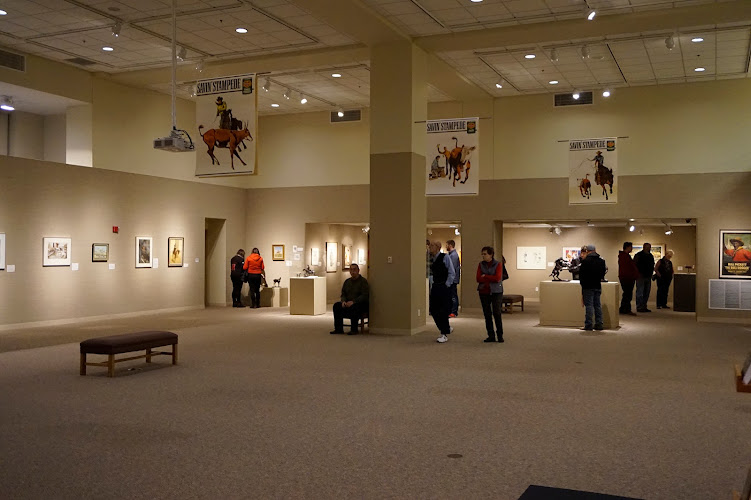
Great Plains Art Museum
About Great Plains Art Museum
Description
The Great Plains Art Museum serves as a cultural center devoted to the history, art, and lived experience of the Great Plains region. It presents a focused, often surprising mix of historical context and contemporary creative responses — paintings, drawings, photographs, sculpture, and installation work that together trace how people, land, and culture have shaped one another across Nebraska and the wider Plains. Visitors will find both carefully curated permanent holdings and rotating exhibitions that spotlight regional artists, Native American voices, and thematic projects that interrogate landscape, migration, and memory.
On arrival, the atmosphere tends to feel quietly deliberate rather than flashy. Galleries are laid out so that the flow from one exhibit to the next tells a story: early works and historical pieces establish the region’s visual foundations, while contemporary work pushes questions forward. The museum's collection includes a notable core of Plains-focused art — some have called it a surprising trove for a midwestern city — and it often houses special exhibitions that draw from national and regional artists. The Christlieb collection is referenced in regional conversations and, whether or not a visitor knows that name going in, the pieces connected to that collection illustrate the museum’s commitment to preserving local artistic legacies.
Accessibility is not an afterthought here. Practical features like a wheelchair-accessible entrance, nearby accessible parking, and restrooms designed to accommodate visitors with mobility needs help make the museum approachable. That matters — especially because some of the most moving works are quiet and intimate; being able to linger matters. There is also an on-site café for light breaks and members of the staff routinely offer tours and programming, which are a big reason why local teachers and families return. It’s small enough to avoid the overwhelm you get at enormous institutions, yet large enough to have real depth and variety.
Educational programming — classes, artist talks, and community workshops — ties the museum firmly to the local community. The building functions as both a gallery and a workshop: you might drop in on a guided school group one day and an adult clay class the next. That interplay between public-facing exhibitions and hands-on learning keeps the place feeling lived-in. And yes, the museum is welcoming to children; galleries include kid-friendly materials or interpretive signage often designed to invite curiosity rather than shut it down. Families report that a short visit here can spark longer conversations about art and regional history back at home — which, honestly, is the point.
From a visitor planning standpoint, the Great Plains Art Museum plays a dual role: it is both an art museum and a regional cultural archive. Exhibitions weave art history with cultural history, and this combination helps explain why many exhibitions resonate emotionally. The museum isn't trying to be the flashiest destination in Lincoln; instead, it quietly builds a sense of place through objects and interpretation. Expect photography series that document rural life, contemporary mixed-media pieces that reframe Plains identity, and occasional displays of traditional art forms that highlight Native American craftsmanship and narrative.
Practical notes that matter to travelers: the museum offers public tours that add depth to the galleries — and they are worth taking if time allows. Staff members tend to be knowledgeable and approachable; they point out connections between pieces and can suggest which gallery sections are must-sees based on visitor interests. The on-site café is modest but convenient, offering coffee and light fare so visitors can reset before a second pass through the galleries. Restrooms and seating locations are strategically placed; it’s a relief for someone on a long city day, trust the small comforts.
The museum’s scale is, for lack of a better word, intimate. That intimacy is a benefit for travelers who prefer thoughtful engagement over speed-looking. While some major museums overwhelm with size, here one can pause, reread a label, and sit with an unusual photograph or a telling sculpture. For photographers and students of art history, there’s an educational value: images and object labels often reference artists who are important to Plains studies but under-recognized nationally. In short, it’s an excellent spot to get a concentrated dose of the region’s artistic and cultural currents.
Not everything is perfect — and it’s probably better to be honest about that. The exhibition schedule means some favorite pieces rotate off view, so repeat visitors may find different emphases at different times of year. Also, while the museum does host strong temporary exhibitions, it sometimes feels like there could be more interactive, hands-on spaces for younger children or visitors who want tactile engagement. Still, those are relatively small trade-offs when compared with the quality and focus of what’s on display.
For those who care about deeper context, the museum often connects exhibitions to broader Plains studies: historical maps, oral histories, and curatorial essays are used to frame shows. This is important because the Great Plains is not only a physical landscape but a layered set of cultural stories. Exhibits that incorporate Native American perspectives, settler narratives, and contemporary artistic responses offer visitors a chance to think critically about how art records and reframes history. It is not preachy; rather, the museum invites visitors to explore complexity.
It’s worth saying something personal here: the writer remembers a rainy afternoon visit when a modest photography show about seasonal migration in the Plains reshaped how they pictured that landscape. They had driven through Nebraska countless times but saw the environment differently after that exhibit — smaller details, human traces, the geometry of fields — and carried that shift with them across town and on later trips. Those subtle, lasting changes of perception are a common response among visitors and what makes the museum memorable in the long term.
From an SEO and travel-planning angle, travelers should note that the museum sits within a larger cultural ecosystem in Lincoln, making it a smart stop on a half-day itinerary. Paired with nearby galleries, university spaces, or a downtown stroll, it can anchor a relaxed cultural day. Because parking and accessibility are straightforward, it’s also one of the more traveler-friendly museum options in the city; the museum’s openness to hosting tours and school groups means it’s used to visitors who need orientation and suggestions.
Finally, why bother making time to stop in? The Great Plains Art Museum offers a focused and layered portrait of an often-misunderstood region. For travelers curious about the Plains beyond stereotypes, it provides an evidence-based, artist-centered narrative that is both reflective and occasionally provocative. Visitors leave not only having seen interesting work but with a fuller sense of how land and life intersect in artistic practice. For many, that’s the whole point of visiting an art museum while traveling: to come away seeing a place in a new light. And this museum, quietly and steadily, does exactly that.
Key Features
More Details
Updated August 29, 2025
Table of Contents
Description
The Great Plains Art Museum serves as a cultural center devoted to the history, art, and lived experience of the Great Plains region. It presents a focused, often surprising mix of historical context and contemporary creative responses — paintings, drawings, photographs, sculpture, and installation work that together trace how people, land, and culture have shaped one another across Nebraska and the wider Plains. Visitors will find both carefully curated permanent holdings and rotating exhibitions that spotlight regional artists, Native American voices, and thematic projects that interrogate landscape, migration, and memory.
On arrival, the atmosphere tends to feel quietly deliberate rather than flashy. Galleries are laid out so that the flow from one exhibit to the next tells a story: early works and historical pieces establish the region’s visual foundations, while contemporary work pushes questions forward. The museum’s collection includes a notable core of Plains-focused art — some have called it a surprising trove for a midwestern city — and it often houses special exhibitions that draw from national and regional artists. The Christlieb collection is referenced in regional conversations and, whether or not a visitor knows that name going in, the pieces connected to that collection illustrate the museum’s commitment to preserving local artistic legacies.
Accessibility is not an afterthought here. Practical features like a wheelchair-accessible entrance, nearby accessible parking, and restrooms designed to accommodate visitors with mobility needs help make the museum approachable. That matters — especially because some of the most moving works are quiet and intimate; being able to linger matters. There is also an on-site café for light breaks and members of the staff routinely offer tours and programming, which are a big reason why local teachers and families return. It’s small enough to avoid the overwhelm you get at enormous institutions, yet large enough to have real depth and variety.
Educational programming — classes, artist talks, and community workshops — ties the museum firmly to the local community. The building functions as both a gallery and a workshop: you might drop in on a guided school group one day and an adult clay class the next. That interplay between public-facing exhibitions and hands-on learning keeps the place feeling lived-in. And yes, the museum is welcoming to children; galleries include kid-friendly materials or interpretive signage often designed to invite curiosity rather than shut it down. Families report that a short visit here can spark longer conversations about art and regional history back at home — which, honestly, is the point.
From a visitor planning standpoint, the Great Plains Art Museum plays a dual role: it is both an art museum and a regional cultural archive. Exhibitions weave art history with cultural history, and this combination helps explain why many exhibitions resonate emotionally. The museum isn’t trying to be the flashiest destination in Lincoln; instead, it quietly builds a sense of place through objects and interpretation. Expect photography series that document rural life, contemporary mixed-media pieces that reframe Plains identity, and occasional displays of traditional art forms that highlight Native American craftsmanship and narrative.
Practical notes that matter to travelers: the museum offers public tours that add depth to the galleries — and they are worth taking if time allows. Staff members tend to be knowledgeable and approachable; they point out connections between pieces and can suggest which gallery sections are must-sees based on visitor interests. The on-site café is modest but convenient, offering coffee and light fare so visitors can reset before a second pass through the galleries. Restrooms and seating locations are strategically placed; it’s a relief for someone on a long city day, trust the small comforts.
The museum’s scale is, for lack of a better word, intimate. That intimacy is a benefit for travelers who prefer thoughtful engagement over speed-looking. While some major museums overwhelm with size, here one can pause, reread a label, and sit with an unusual photograph or a telling sculpture. For photographers and students of art history, there’s an educational value: images and object labels often reference artists who are important to Plains studies but under-recognized nationally. In short, it’s an excellent spot to get a concentrated dose of the region’s artistic and cultural currents.
Not everything is perfect — and it’s probably better to be honest about that. The exhibition schedule means some favorite pieces rotate off view, so repeat visitors may find different emphases at different times of year. Also, while the museum does host strong temporary exhibitions, it sometimes feels like there could be more interactive, hands-on spaces for younger children or visitors who want tactile engagement. Still, those are relatively small trade-offs when compared with the quality and focus of what’s on display.
For those who care about deeper context, the museum often connects exhibitions to broader Plains studies: historical maps, oral histories, and curatorial essays are used to frame shows. This is important because the Great Plains is not only a physical landscape but a layered set of cultural stories. Exhibits that incorporate Native American perspectives, settler narratives, and contemporary artistic responses offer visitors a chance to think critically about how art records and reframes history. It is not preachy; rather, the museum invites visitors to explore complexity.
It’s worth saying something personal here: the writer remembers a rainy afternoon visit when a modest photography show about seasonal migration in the Plains reshaped how they pictured that landscape. They had driven through Nebraska countless times but saw the environment differently after that exhibit — smaller details, human traces, the geometry of fields — and carried that shift with them across town and on later trips. Those subtle, lasting changes of perception are a common response among visitors and what makes the museum memorable in the long term.
From an SEO and travel-planning angle, travelers should note that the museum sits within a larger cultural ecosystem in Lincoln, making it a smart stop on a half-day itinerary. Paired with nearby galleries, university spaces, or a downtown stroll, it can anchor a relaxed cultural day. Because parking and accessibility are straightforward, it’s also one of the more traveler-friendly museum options in the city; the museum’s openness to hosting tours and school groups means it’s used to visitors who need orientation and suggestions.
Finally, why bother making time to stop in? The Great Plains Art Museum offers a focused and layered portrait of an often-misunderstood region. For travelers curious about the Plains beyond stereotypes, it provides an evidence-based, artist-centered narrative that is both reflective and occasionally provocative. Visitors leave not only having seen interesting work but with a fuller sense of how land and life intersect in artistic practice. For many, that’s the whole point of visiting an art museum while traveling: to come away seeing a place in a new light. And this museum, quietly and steadily, does exactly that.
Key Highlights
Great Plains Art Museum
Location
Places to Stay Near Great Plains Art Museum
Find and Book a Tour
Explore More Travel Guides
No reviews found! Be the first to review!
Traveler Reviews for Great Plains Art Museum
There are no reviews yet. Be the first one to write one.
Have you visited Great Plains Art Museum? Help other travelers by sharing your review.
You Might Also Like
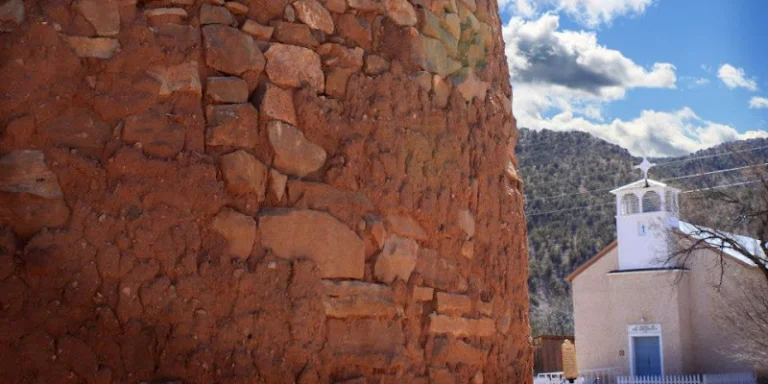
Lincoln Historic Site
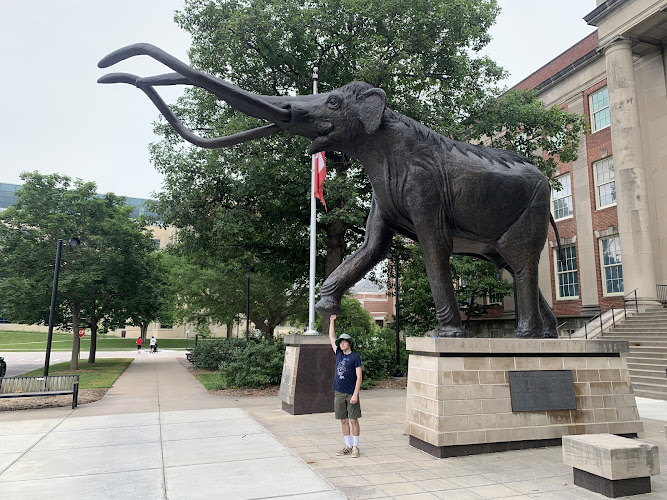
University of Nebraska State Museum - Morrill Hall
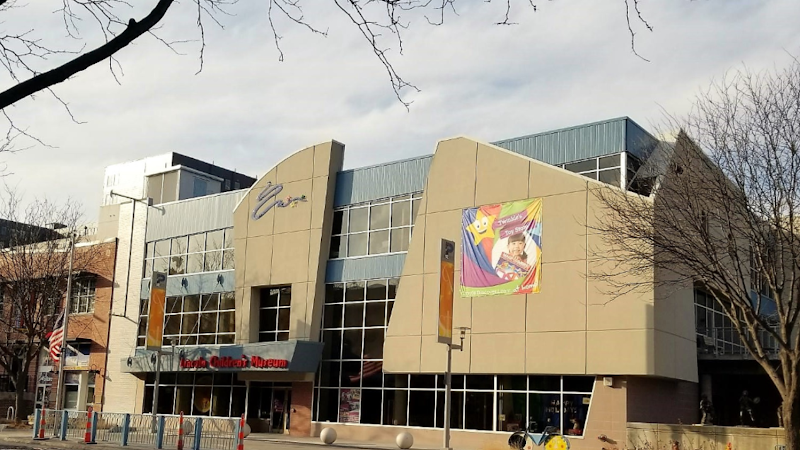
Lincoln Children's Museum
Find Accommodations Nearby
Recommended Tours & Activities
Visitor Reviews
There are no reviews yet. Be the first one to write one.
Share Your Experience
Have you visited Great Plains Art Museum? Help other travelers by leaving a review.