
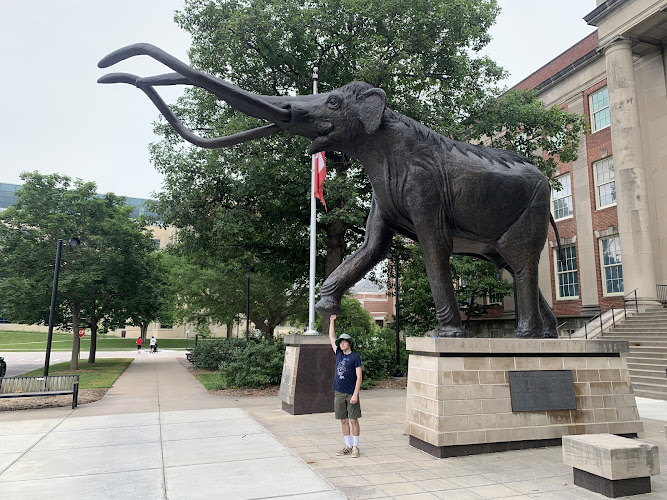
University of Nebraska State Museum – Morrill Hall
About University of Nebraska State Museum – Morrill Hall
Description
The University of Nebraska State Museum – Morrill Hall stands as a long-running hub of natural history and science on the UNL campus in Lincoln. Founded in 1871, the museum has layers of stories: from the fossil-rich badlands of Nebraska to the human cultures that shaped the plains. Visitors see more than displays; they step into a place that interprets Nebraska’s biodiversity, paleontology, and cultural heritage with curiosity and a pinch of Midwestern humor. The building’s classic museum galleries lead to more modern, hands-on learning spaces and a planetarium that still manages to make night-sky wonder feel intimate even for people raised in cities.
Morrill Hall is best known for its Elephant Hall and impressive fossil collections — think mammoth-sized bones and prehistoric narratives that tie geology, climate change, and evolution together. The museum also balances serious research with playful learning: interactive exhibits aimed at kids, rotating science displays, public programs, and a theater for lectures and small events. It doubles as an event venue at times, hosting educational programs, community nights, and yes, some couples choose it as an unconventional wedding backdrop — nothing says commitment like a wall of fossils behind the altar.
The atmosphere here is not stiff. Long-time locals often mention a certain friendly, lived-in quality: staff who remember regulars, docents who offer quirky facts (the Archie mammoth has a fan club, apparently), and volunteers who love to show how a jawbone fits together. Accessibility is taken seriously; the main entrance, parking, and restrooms are wheelchair accessible. Practical amenities like restrooms, Wi‑Fi, and a gift shop make it straightforward for families and travelers to plan a comfortable stop. There is an admission fee, with discounts for active military, and onsite services for visitors who want guided experiences or tailored educational programs.
For travelers, Morrill Hall is a compact but rewarding detour. It gives a clear sense of Nebraska’s natural world — ancient life, living ecosystems, and human stories — without requiring a whole day. That said, it rewards slow exploration. One can breeze through the main fossil gallery in thirty minutes, or linger for two hours if the planetarium show and interactive stations capture attention. Either way, visitors leave with a better sense of place: how the land shaped people and creatures, and how research in a university museum connects to the wider world.
Key Features
- Historic natural history collections including fossils, mammoth/elephant specimens, and paleontological research material
- Planetarium offering regular shows that illustrate the night sky, space science, and astronomy topics
- Interactive science exhibits and hands-on spaces tailored for children and families
- Theater space used for lectures, educational programs, and film-style presentations
- Event and wedding venue options for small, memorable gatherings among museum exhibits
- Gift shop stocked with educational toys, regional books, and unique fossil-themed items
- Onsite services and educational programming for schools, families, and adult learners
- Accessibility features: wheelchair-accessible entrance, parking, and restrooms
- Active military discounts on admission to help make learning affordable
Best Time to Visit
Morrill Hall works year-round, but timing can shape the experience. Weekdays mid-morning through early afternoon are generally quietest; that’s when researchers and locals might be the only other company. If someone prefers a calmer visit with more chances to ask docents questions, that’s the sweet spot. Weekends, school holidays, and planetarium showtimes draw families, so expect livelier galleries and lines for popular exhibits.
Spring and fall offer pleasant campus walks before or after a visit — ideal if a traveler likes to combine museum time with a stroll around the UNL campus. Summers bring more tourism and school groups, which can be energizing but also busier. Winter is actually a fine time to go: indoor exhibits and planetarium shows make for a cozy escape from cold Nebraska winds.
Pro tip: check the planetarium schedule in advance and book a show if it interests you. Planetarium programs can sell out during popular slots, and seeing one can turn a decent visit into a memorable one — especially on a cloudy night when the real sky isn’t cooperating.
How to Get There
Morrill Hall sits on the University of Nebraska–Lincoln campus, making it accessible by several transportation modes. If arriving by car, campus parking is available nearby; look for university visitor parking areas or short-term lots. Rideshare services and taxis easily drop visitors near the museum entrance. For travelers using public transit, Lincoln’s bus routes serve the university area — a short walk from many stops will bring visitors to the museum doors.
Those who enjoy walking or biking will find the campus bike paths convenient, and the surrounding neighborhoods are pedestrian-friendly. If someone is coming from downtown Lincoln, a short drive or transit ride will usually suffice; plan slightly more time during university events when traffic and parking demand rise.
For out-of-state guests flying in, Lincoln’s airport connects to regional hubs; renting a car or taking a shuttle into town are common choices. Once in town, combining a museum visit with other nearby attractions on campus makes for efficient sightseeing.
Tips for Visiting
Visitors who want to squeeze the most out of Morrill Hall should keep a few practical and practical-ish tips in mind. First, plan around the planetarium schedule. It’s a small venue and the shows are charming; they’re also an easy highlight for travelers who aren’t astronomy buffs but enjoy immersive experiences.
Second, wear comfortable shoes. The galleries are compact but full of stuff to see at different heights, and children love exploring floor-level activities. Third, bring a camera — photography is usually welcomed in public galleries (without flash in certain exhibits), and souvenir photos with the fossil displays are oddly satisfying to show friends.
Families will appreciate that the museum is very child-friendly: interactive exhibits, changing tables, and hands-on stations make it easier to explore with little ones. The gift shop offers neat educational picks if someone wants a tangible reminder of Nebraska’s natural history. And if anyone is on a budget, ask about special pricing days, discounts, or free program options; university museums often run community-friendly events.
Accessibility matters and Morrill Hall does a solid job: wheelchair-accessible entrances, restrooms, and parking reduce hassle. Still, if a visitor has specific mobility needs, they should call ahead to confirm routing, elevator availability, or any accommodations for special events.
For travelers who like behind-the-scenes insight, inquire about guided tours or public programs. Museum staff and volunteers often share stories that don’t appear on panels — little anecdotes about discoveries, restoration projects, or the history of the Archie mammoth that make exhibits come alive. Those tidbits tend to stick with visitors longer than any label might.
One last thing: museums age like people — collections are constantly being reinterpreted, exhibits rotate, and research reshapes displays. If a traveler visited years ago, expect new elements now. If one wants specific exhibits, it’s worth checking the museum’s calendar or calling ahead to confirm current shows and special events.
Morrill Hall rewards curiosity. Whether someone is passing through Lincoln and wants a quick, educational stop or planning a thoughtful visit with kids, the museum provides a clear, well-paced window into Nebraska’s ancient past and living present. Expect friendly staff, solid accessibility, a memorable planetarium experience, and fossils that prompt more than a few double-takes. And if a traveler leaves humming a weird fossil fact they didn’t expect to care about, well — that’s exactly the point.
Key Features
- Historic natural history collections including fossils, mammoth/elephant specimens, and paleontological research material
- Planetarium offering regular shows that illustrate the night sky, space science, and astronomy topics
- Interactive science exhibits and hands-on spaces tailored for children and families
- Theater space used for lectures, educational programs, and film-style presentations
- Event and wedding venue options for small, memorable gatherings among museum exhibits
- Gift shop stocked with educational toys, regional books, and unique fossil-themed items
- Onsite services and educational programming for schools, families, and adult learners
- Accessibility features: wheelchair-accessible entrance, parking, and restrooms
More Details
Updated August 29, 2025
Table of Contents
- Description
- Key Features
- Best Time to Visit
- How to Get There
- Tips for Visiting
- Key Highlights
- Location
- Places to Stay Near University of Nebraska State Museum - Morrill Hall
- Find and Book a Tour
- Explore More Travel Guides
- Nearby Places You Might Like
- Traveler Reviews for University of Nebraska State Museum – Morrill Hall
- Share Your Experience
Description
The University of Nebraska State Museum – Morrill Hall stands as a long-running hub of natural history and science on the UNL campus in Lincoln. Founded in 1871, the museum has layers of stories: from the fossil-rich badlands of Nebraska to the human cultures that shaped the plains. Visitors see more than displays; they step into a place that interprets Nebraska’s biodiversity, paleontology, and cultural heritage with curiosity and a pinch of Midwestern humor. The building’s classic museum galleries lead to more modern, hands-on learning spaces and a planetarium that still manages to make night-sky wonder feel intimate even for people raised in cities.
Morrill Hall is best known for its Elephant Hall and impressive fossil collections — think mammoth-sized bones and prehistoric narratives that tie geology, climate change, and evolution together. The museum also balances serious research with playful learning: interactive exhibits aimed at kids, rotating science displays, public programs, and a theater for lectures and small events. It doubles as an event venue at times, hosting educational programs, community nights, and yes, some couples choose it as an unconventional wedding backdrop — nothing says commitment like a wall of fossils behind the altar.
The atmosphere here is not stiff. Long-time locals often mention a certain friendly, lived-in quality: staff who remember regulars, docents who offer quirky facts (the Archie mammoth has a fan club, apparently), and volunteers who love to show how a jawbone fits together. Accessibility is taken seriously; the main entrance, parking, and restrooms are wheelchair accessible. Practical amenities like restrooms, Wi‑Fi, and a gift shop make it straightforward for families and travelers to plan a comfortable stop. There is an admission fee, with discounts for active military, and onsite services for visitors who want guided experiences or tailored educational programs.
For travelers, Morrill Hall is a compact but rewarding detour. It gives a clear sense of Nebraska’s natural world — ancient life, living ecosystems, and human stories — without requiring a whole day. That said, it rewards slow exploration. One can breeze through the main fossil gallery in thirty minutes, or linger for two hours if the planetarium show and interactive stations capture attention. Either way, visitors leave with a better sense of place: how the land shaped people and creatures, and how research in a university museum connects to the wider world.
Key Features
- Historic natural history collections including fossils, mammoth/elephant specimens, and paleontological research material
- Planetarium offering regular shows that illustrate the night sky, space science, and astronomy topics
- Interactive science exhibits and hands-on spaces tailored for children and families
- Theater space used for lectures, educational programs, and film-style presentations
- Event and wedding venue options for small, memorable gatherings among museum exhibits
- Gift shop stocked with educational toys, regional books, and unique fossil-themed items
- Onsite services and educational programming for schools, families, and adult learners
- Accessibility features: wheelchair-accessible entrance, parking, and restrooms
- Active military discounts on admission to help make learning affordable
Best Time to Visit
Morrill Hall works year-round, but timing can shape the experience. Weekdays mid-morning through early afternoon are generally quietest; that’s when researchers and locals might be the only other company. If someone prefers a calmer visit with more chances to ask docents questions, that’s the sweet spot. Weekends, school holidays, and planetarium showtimes draw families, so expect livelier galleries and lines for popular exhibits.
Spring and fall offer pleasant campus walks before or after a visit — ideal if a traveler likes to combine museum time with a stroll around the UNL campus. Summers bring more tourism and school groups, which can be energizing but also busier. Winter is actually a fine time to go: indoor exhibits and planetarium shows make for a cozy escape from cold Nebraska winds.
Pro tip: check the planetarium schedule in advance and book a show if it interests you. Planetarium programs can sell out during popular slots, and seeing one can turn a decent visit into a memorable one — especially on a cloudy night when the real sky isn’t cooperating.
How to Get There
Morrill Hall sits on the University of Nebraska–Lincoln campus, making it accessible by several transportation modes. If arriving by car, campus parking is available nearby; look for university visitor parking areas or short-term lots. Rideshare services and taxis easily drop visitors near the museum entrance. For travelers using public transit, Lincoln’s bus routes serve the university area — a short walk from many stops will bring visitors to the museum doors.
Those who enjoy walking or biking will find the campus bike paths convenient, and the surrounding neighborhoods are pedestrian-friendly. If someone is coming from downtown Lincoln, a short drive or transit ride will usually suffice; plan slightly more time during university events when traffic and parking demand rise.
For out-of-state guests flying in, Lincoln’s airport connects to regional hubs; renting a car or taking a shuttle into town are common choices. Once in town, combining a museum visit with other nearby attractions on campus makes for efficient sightseeing.
Tips for Visiting
Visitors who want to squeeze the most out of Morrill Hall should keep a few practical and practical-ish tips in mind. First, plan around the planetarium schedule. It’s a small venue and the shows are charming; they’re also an easy highlight for travelers who aren’t astronomy buffs but enjoy immersive experiences.
Second, wear comfortable shoes. The galleries are compact but full of stuff to see at different heights, and children love exploring floor-level activities. Third, bring a camera — photography is usually welcomed in public galleries (without flash in certain exhibits), and souvenir photos with the fossil displays are oddly satisfying to show friends.
Families will appreciate that the museum is very child-friendly: interactive exhibits, changing tables, and hands-on stations make it easier to explore with little ones. The gift shop offers neat educational picks if someone wants a tangible reminder of Nebraska’s natural history. And if anyone is on a budget, ask about special pricing days, discounts, or free program options; university museums often run community-friendly events.
Accessibility matters and Morrill Hall does a solid job: wheelchair-accessible entrances, restrooms, and parking reduce hassle. Still, if a visitor has specific mobility needs, they should call ahead to confirm routing, elevator availability, or any accommodations for special events.
For travelers who like behind-the-scenes insight, inquire about guided tours or public programs. Museum staff and volunteers often share stories that don’t appear on panels — little anecdotes about discoveries, restoration projects, or the history of the Archie mammoth that make exhibits come alive. Those tidbits tend to stick with visitors longer than any label might.
One last thing: museums age like people — collections are constantly being reinterpreted, exhibits rotate, and research reshapes displays. If a traveler visited years ago, expect new elements now. If one wants specific exhibits, it’s worth checking the museum’s calendar or calling ahead to confirm current shows and special events.
Morrill Hall rewards curiosity. Whether someone is passing through Lincoln and wants a quick, educational stop or planning a thoughtful visit with kids, the museum provides a clear, well-paced window into Nebraska’s ancient past and living present. Expect friendly staff, solid accessibility, a memorable planetarium experience, and fossils that prompt more than a few double-takes. And if a traveler leaves humming a weird fossil fact they didn’t expect to care about, well — that’s exactly the point.
Key Highlights
- Historic natural history collections including fossils, mammoth/elephant specimens, and paleontological research material
- Planetarium offering regular shows that illustrate the night sky, space science, and astronomy topics
- Interactive science exhibits and hands-on spaces tailored for children and families
- Theater space used for lectures, educational programs, and film-style presentations
- Event and wedding venue options for small, memorable gatherings among museum exhibits
- Gift shop stocked with educational toys, regional books, and unique fossil-themed items
- Onsite services and educational programming for schools, families, and adult learners
- Accessibility features: wheelchair-accessible entrance, parking, and restrooms
Location
Places to Stay Near University of Nebraska State Museum - Morrill Hall
Find and Book a Tour
Explore More Travel Guides
No reviews found! Be the first to review!
Traveler Reviews for University of Nebraska State Museum – Morrill Hall
There are no reviews yet. Be the first one to write one.
Have you visited University of Nebraska State Museum – Morrill Hall? Help other travelers by sharing your review.
You Might Also Like

Star City Shores
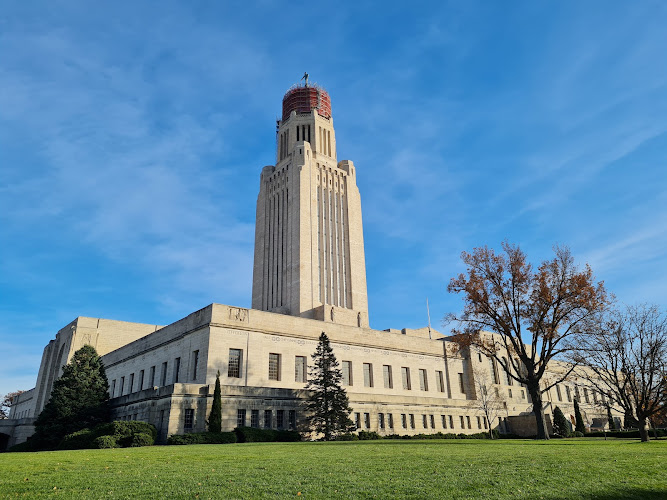
Nebraska State Capitol
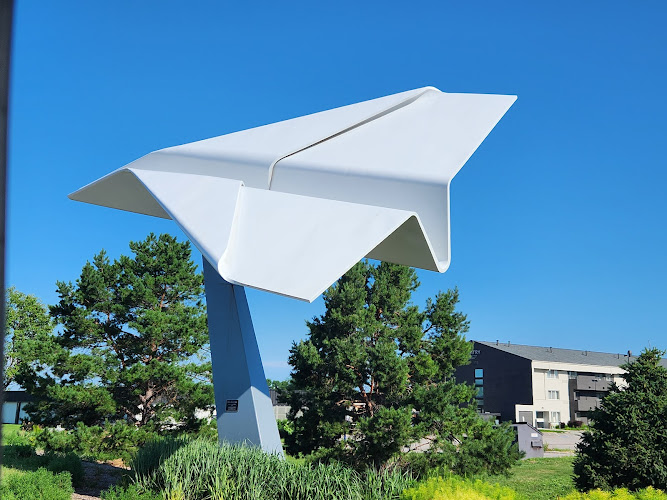
Giant Paper Airplane
Find Accommodations Nearby
Recommended Tours & Activities
Visitor Reviews
There are no reviews yet. Be the first one to write one.
Share Your Experience
Have you visited University of Nebraska State Museum – Morrill Hall? Help other travelers by leaving a review.