

Carré Sainte Anne
About Carré Sainte Anne
Carré Sainte Anne is one of those places that quietly takes your breath away before you even realize it. Imagine stepping into a Gothic church where the stained glass no longer tells biblical stories, but instead reflects bursts of modern art and bold imagination. The contrast is striking—centuries-old stone arches towering above installations that feel like they were dreamed up yesterday. It’s not a typical art museum, and that’s exactly what makes it memorable. The space itself feels alive, like it’s constantly reinventing its own story.
I remember the first time I walked through its heavy doors, the air was cool and smelled faintly of stone and paint. There was this hush that made you instinctively lower your voice, even though the art on display was anything but quiet. One exhibit had massive canvases splashed with color so intense it almost hummed. Another time, I saw an installation that used sound and light to fill the nave with what felt like a heartbeat. It’s that kind of place—each visit feels like a conversation between the past and the present.
Carré Sainte Anne isn’t trying to impress with grandeur; it’s more about intimacy and reflection. The curators seem to choose exhibitions that challenge and surprise, sometimes even confuse you a little. And that’s part of the fun. You leave with questions, not just photos. It’s a space for thought as much as for art. The atmosphere is calm but not cold, sacred but not solemn—somewhere between a gallery and a cathedral of creativity.
Key Features
- Located inside a former Gothic church transformed into a contemporary art space.
- Hosts rotating exhibitions showcasing modern and experimental art.
- Spacious interior with high vaulted ceilings that enhance the visual impact of installations.
- Wheelchair-accessible entrance and restrooms, making it inclusive for all visitors.
- Family-friendly environment—children often find the large-scale art fascinating.
- Free entry to most exhibitions, which makes it an easy addition to any travel itinerary.
- Restrooms available on-site, though there’s no café or restaurant inside (plenty nearby).
What’s particularly interesting about Carré Sainte Anne is how it bridges eras. The Gothic architecture frames the modern art like a time capsule cracked open. The play of light filtering through tall windows can change the entire mood of an exhibit depending on the time of day. Sometimes you catch a beam of sunlight landing right on a sculpture, and for a second, it feels staged by fate.
Best Time to Visit
If you’re planning to visit, late morning or early afternoon tends to be ideal. The natural light streaming through the stained glass gives the artwork a warm glow that artificial lighting just can’t replicate. Weekdays are generally quieter, so you can really take your time wandering through the exhibits without feeling rushed.
Montpellier can get quite warm in summer, so the cool interior of the Carré Sainte Anne provides a refreshing escape from the heat. On rainy days, it’s equally perfect—the sound of rain tapping against the old stone roof adds a kind of meditative rhythm to the experience. Personally, I love visiting in autumn. The city slows down a bit, and the art feels even more intimate when the crowds thin out.
Exhibitions rotate throughout the year, often featuring local and international artists. If you’re the type who likes to plan ahead, it’s worth checking the schedule of upcoming shows before you go. But honestly, part of the charm is going in without expectations and letting the space surprise you.
How to Get There
Getting to Carré Sainte Anne is straightforward if you’re exploring Montpellier’s city center. It’s within walking distance from most major landmarks, and the stroll itself is part of the experience—narrow streets, small cafés, and the occasional street musician. The local tram system is efficient and easy to navigate, with stops close enough that you won’t have to walk far.
If you’re driving, parking can be a bit tricky in the historic center, so I’d recommend leaving your car in one of the public lots on the edge of town and walking in. It’s a more enjoyable way to discover the city anyway. For those coming from outside Montpellier, the main train station connects easily with other major cities in southern France, and from there, it’s just a short tram ride or a pleasant walk to the museum.
I once took a detour through the nearby streets before heading there, and I stumbled upon a tiny bakery selling the most buttery croissants I’ve ever tasted. It’s those little moments—grabbing a pastry, hearing snippets of French conversation, then stepping into a centuries-old church filled with modern art—that make visiting Carré Sainte Anne feel so special.
Tips for Visiting
Let’s be honest—art museums can sometimes feel intimidating, especially the contemporary kind. But Carré Sainte Anne is refreshingly unpretentious. Here are a few tips to make the most of your visit:
- Give yourself time. Even if it looks small from the outside, the exhibits can be immersive. Plan for at least an hour, maybe more if you like to linger.
- Check the current exhibition. The space changes dramatically depending on what’s being shown. Some installations use sound, video, or even scent, which completely alters the atmosphere.
- Bring a camera—but be respectful. Photography is usually allowed, but flash can ruin the ambiance. And honestly, sometimes it’s better to just stand there and take it in.
- Visit nearby cafés afterward. There are plenty of cozy spots around where you can sit with a coffee and chat about what you just saw. Art tends to spark good conversation.
- Accessibility is solid. The museum’s entrance and restrooms are wheelchair-friendly, which isn’t always the case with historic buildings.
- Go with an open mind. Not every exhibit will speak to you, and that’s okay. Art like this is meant to provoke, not please everyone.
One more thing—don’t rush through it. I made that mistake once when I was trying to fit too many stops into one day. I barely glanced at the installations and left feeling like I’d missed the point. The next time, I slowed down, sat on one of the benches, and just watched how the light shifted across the walls. That’s when it clicked for me. Carré Sainte Anne isn’t about checking off a sightseeing list—it’s about letting yourself be still for a moment.
If you’re traveling with kids, they’ll likely enjoy the scale of the place. The huge arches and colorful art can feel almost magical to them. And since it’s free, you don’t have to worry about rushing if their attention spans run short.
In short, Carré Sainte Anne is a rare blend of history and creativity. It’s a reminder that art doesn’t have to live in sterile white rooms—it can breathe inside ancient walls, echoing with both reverence and rebellion. Whether you’re an art lover, a history buff, or just someone curious about Montpellier’s cultural side, this spot deserves a quiet afternoon on your itinerary.
Key Features
- Located inside a former Gothic church transformed into a contemporary art space.
- Hosts rotating exhibitions showcasing modern and experimental art.
- Spacious interior with high vaulted ceilings that enhance the visual impact of installations.
- Wheelchair-accessible entrance and restrooms, making it inclusive for all visitors.
- Family-friendly environment—children often find the large-scale art fascinating.
- Free entry to most exhibitions, which makes it an easy addition to any travel itinerary.
- Restrooms available on-site, though there’s no café or restaurant inside (plenty nearby).
You Might Also Like

Aqueduc Saint-Clément
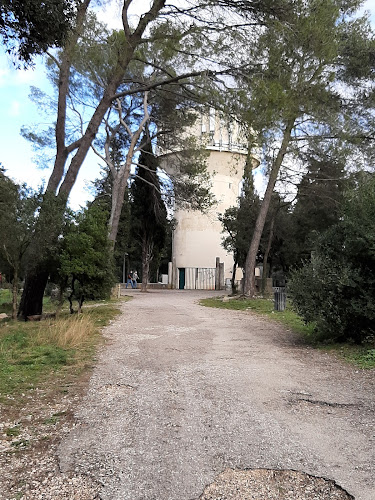
Bois de Montmaur

Cathédrale Saint-Pierre de Montpellier
Tours & Activities
GetYourGuide provides this tour inventory. We may earn a commission if you book through it; verify current availability, prices, and terms with the provider.
Visitor Reviews
There are no reviews yet. Be the first one to write one.
Share Your Experience
Have you visited Carré Sainte Anne? Help other travelers by leaving a review.