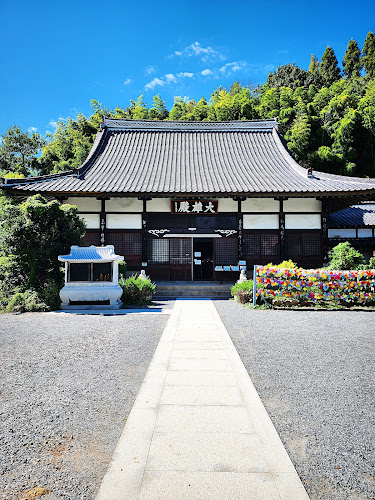
Dongguksa Temple is a quietly distinctive stop in Gunsan-si, a port city whose streets and heritage sites reveal layers of modern Korean history. Rather than the vivid paintwork, mountain setting, and expansive compounds many visitors associate with Korean Buddhist temples, Dongguksa has a restrained, almost residential scale. Its appeal lies in that difference: this is South Korea’s surviving Japanese-style Buddhist temple, a place where architecture, memory, and living religious practice meet in a compact setting.
The temple was built during the Japanese colonial period, and its history gives a visit more weight than a simple architectural detour. The grounds encourage slow looking. Wooden elements, measured proportions, tiled rooflines, and the relatively subdued façade distinguish the buildings from conventional Korean temple design. Set within Gunsan’s historic urban fabric rather than a remote forested landscape, Dongguksa works especially well for travelers exploring the city’s colonial-era streets, museums, and old commercial districts. It is both a contemplative religious site and an important prompt to consider a difficult chapter in Korea’s past.
Standout Highlights & Experience
Come with an eye for details rather than expecting a large complex filled with major halls. Dongguksa’s power is in the contrast between its modest footprint and the historical questions it raises. Visitors can appreciate the site as a working temple while observing how its design differs from more familiar Korean Buddhist architecture.
- Japanese-style temple architecture: Notice the reserved roof profile, wooden construction, and balanced façade, which create a visual language distinct from many Korean temples.
- A rare historical survivor: The temple is significant as South Korea’s surviving Japanese-style Buddhist temple, making it an unusually direct architectural record of the colonial period.
- Main-hall atmosphere: Spend a few unhurried minutes around Daegwangbojeon, where the site’s religious purpose is as important as its historical interpretation.
- Small-scale discovery: The compact grounds reward close observation of gates, eaves, stone features, and the transitions between temple spaces rather than a rushed circuit.
- Reflective context: Read on-site interpretation carefully where available and approach photography and worship areas with the respect due to an active sacred place.
- Historic Gunsan pairing: Use Dongguksa as a meaningful anchor for a wider walk through the city’s heritage neighborhoods and former port-era streets.
Practical Visitor Strategy
| Factor | What to Know |
|---|
| Best Time to Go | Visit in the morning or later afternoon for a calmer atmosphere and softer light on the wooden buildings. Weekdays are often better for lingering quietly. |
| Suggested Duration | Allow about 30 to 60 minutes for the temple itself; plan longer if you want to read displays, photograph details, or continue through historic Gunsan. |
| Crowd & Entry Tips | Keep voices low, dress respectfully, and avoid interrupting worship. Check current access information before setting out, as conditions can change. |
| Getting Oriented | Start by taking in the overall composition, then move slowly around the grounds. The experience is more rewarding when connected to the surrounding historic district. |
Dongguksa is best approached as a short, thoughtful stop rather than a checklist attraction. If you are building a self-guided Gunsan day, place it between other heritage visits so its context becomes clearer: the former port city developed through trade, migration, and the unequal realities of the colonial era. Bring a camera for architectural textures, but leave room for observation without a lens. Signage, quiet corners, and the contrast with nearby streets can be as revealing as the principal hall. Because this is a religious environment, follow any posted guidance, keep pathways clear, and be prepared to adjust your visit around temple activity.
Honest Fit: Who Will Love It (and Trade-Offs)
Dongguksa will particularly suit history-minded travelers, architecture enthusiasts, thoughtful photographers, and visitors who prefer intimate places with a strong sense of context. It is also a worthwhile choice for repeat visitors to Korea who have seen larger traditional temple complexes and want to understand a less familiar strand of the country’s built heritage. Those seeking grand mountain scenery, extensive ceremonial architecture, or a full-day temple program may find the site modest; its impact depends on patience and curiosity. The grounds are generally easier to absorb than a sprawling hillside temple, but visitors should still expect outdoor surfaces, steps, uneven areas, and the practical limitations common to historic religious sites. Pair it with Gunsan’s old urban streets, colonial-era buildings, and local museums for a fuller picture of why this small temple carries such lasting significance.
 Real Journey Travels