
Casa De Fritox
About Casa De Fritox
Description
Casa De Fritox is one of those places that quietly captures your curiosity the moment you hear about it. It’s a historical landmark tucked away in Puerto La Cruz, a coastal city in Anzoátegui, Venezuela, that’s got more layers of history than you might expect at first glance. Travelers who stumble upon it often describe it as a mix between a time capsule and a storyteller’s dream. The building itself carries the echoes of the past—its walls whispering tales of local families, cultural shifts, and the evolution of the city around it. You can almost feel the passage of time as you walk through its corridors, the kind of feeling you can’t fake or recreate with modern architecture.
When you first arrive, you might not immediately grasp the significance of Casa De Fritox. It’s not flashy or overly restored, and that’s part of its charm. The authenticity hits you slowly, like a song you’ve heard before but can’t quite place. The structure holds on to its original details—aged wooden beams, carefully preserved stonework, and textures that tell their own stories. There’s something grounding about being in a place that has stood still while the world outside has changed so drastically. And honestly, that’s what makes it so special—it’s real, unpretentious, and deeply connected to the identity of Puerto La Cruz.
I remember visiting for the first time on a warm afternoon. The sea breeze carried the faint scent of salt and street food, and the sun cast long shadows across the courtyard. A local guide, who clearly adored the place, told me stories about how Casa De Fritox once served as a gathering spot for important community events and cultural discussions. It’s not just a building—it’s a living piece of history that continues to shape the city’s narrative. You’ll find that locals speak about it with a kind of pride that’s contagious. It’s one of those rare landmarks that feels both intimate and monumental at the same time.
Today, Casa De Fritox stands as a reminder of the city’s resilience and creativity. It’s become a small but meaningful destination for travelers who crave authenticity over commercial polish. Whether you’re a history buff, an architecture enthusiast, or just someone who loves discovering places that feel untouched by time, this landmark has a way of leaving an impression that lingers long after you’ve left.
Key Features
- Architectural Integrity: The building maintains much of its original design, showcasing traditional Venezuelan craftsmanship with wood, stone, and clay materials that have aged gracefully.
- Cultural Significance: Casa De Fritox played a key role in the local community’s development, serving as a meeting place and cultural hub during pivotal moments in Puerto La Cruz’s history.
- Authentic Atmosphere: Unlike many restored landmarks, this one hasn’t been overly modernized, allowing visitors to experience the raw, genuine essence of its past.
- Local Storytelling: Guided tours often include anecdotes and oral histories passed down through generations, giving visitors a deeper connection to the people who once lived and worked here.
- Photographic Appeal: The textures, lighting, and architectural details make it a favorite spot for photographers looking to capture the soul of Venezuelan heritage.
- Community Connection: The site continues to host small cultural events, exhibitions, and educational programs that celebrate local art and history.
- Peaceful Setting: Despite being in a lively city, Casa De Fritox offers a calm, reflective space where visitors can slow down and take in the atmosphere.
Best Time to Visit
Timing can make a big difference when visiting Casa De Fritox. The best months to plan a trip are generally between December and April, when the weather in Puerto La Cruz is warm but not unbearably hot. The skies are usually clear during this period, which makes exploring the outdoor areas around the landmark more enjoyable. If you’re like me and prefer fewer crowds, aim for early mornings or late afternoons on weekdays. The light during those times is also perfect for photography—the kind of soft golden hue that makes every corner of the building come alive.
That said, visiting during the off-season has its perks too. You might get more one-on-one time with local guides or even have the place almost to yourself. There’s something magical about walking through an old building when it’s quiet, hearing only your footsteps echo against the stone floors. It gives you a sense of intimacy with the place, as if it’s sharing its secrets just with you. And if you happen to visit during a local festival or cultural event, you’ll get an entirely different experience—more vibrant, more alive, and deeply rooted in community spirit.
How to Get There
Reaching Casa De Fritox is relatively straightforward once you’re in Puerto La Cruz. The city itself is well-connected by road, and most travelers arrive via the main highway from Barcelona, which is about a 20-minute drive. If you’re coming from Caracas, expect a longer journey—around six hours by car, depending on traffic and stops. For those who prefer public transportation, local buses and taxis are readily available, and they can drop you off within walking distance of the landmark.
Now, here’s a little personal tip: if you’re driving, try to park a bit farther away and walk the last few blocks. The streets leading up to Casa De Fritox are full of character—colorful houses, small cafés, and friendly locals who might wave or strike up a conversation. It’s part of the experience, really. Plus, walking allows you to take in the atmosphere at your own pace. Just remember to bring water and wear comfortable shoes, especially if you’re visiting during the warmer months. The cobblestone streets can be charming but a bit uneven at times, so it’s best to be prepared.
For international travelers, the nearest airport is General José Antonio Anzoátegui International Airport in Barcelona. From there, you can easily find taxis or car rental services to take you to Puerto La Cruz. The drive along the coast offers some lovely views, so don’t rush it—take your time and enjoy the scenery. You’ll know you’re getting close when you start to feel that mix of sea breeze and city energy that defines this part of Venezuela.
Tips for Visiting
Visiting Casa De Fritox is one of those experiences that rewards curiosity and a bit of patience. Here are some practical and personal tips to make the most of your time there:
- Go with a local guide. While you can explore on your own, a guide adds so much context. They’ll point out details you might otherwise miss, like the meaning behind certain carvings or the stories tied to specific rooms.
- Bring a camera, but take time to look without it. It’s tempting to snap photos of everything (and you should!), but don’t forget to pause and just absorb the atmosphere. Sometimes the best memories aren’t the ones captured on screen.
- Wear light, breathable clothing. The climate in Puerto La Cruz can be warm, and the building doesn’t have modern air conditioning in every area. Staying comfortable will help you enjoy the experience more fully.
- Respect the space. Remember, this isn’t just a tourist attraction—it’s a piece of history. Be mindful of where you walk, avoid touching delicate surfaces, and follow any posted guidelines.
- Take breaks nearby. There are a few small cafés and local eateries within walking distance. Grab a coffee or a traditional snack after your visit and reflect on what you’ve seen. It’s a nice way to let everything sink in.
- Ask questions. The caretakers and guides often have personal connections to the site. Their stories bring the place to life in ways that no brochure ever could.
- Visit during different times of day. If you have the chance, go once in the morning and again in the late afternoon. The lighting changes everything—the building seems to transform under the shifting sun.
And one last thing—don’t rush it. Casa De Fritox isn’t the kind of place you check off a list; it’s meant to be experienced slowly. Let yourself wander, listen, and imagine what life might have been like when the building was in its prime. You might even find yourself feeling a quiet sense of connection to the people who once stood in the same spot centuries ago. That’s the magic of places like this—they remind us that history isn’t just something we read about, it’s something we can still touch, feel, and carry with us long after we leave.
So, if you ever find yourself in Puerto La Cruz, carve out a few hours for Casa De Fritox. It might not be the most famous landmark in Venezuela, but it’s one of those rare gems that leaves a lasting impression. It’s a place where history feels alive, where stories linger in the air, and where every visitor walks away with their own version of its tale. And trust me—you’ll be glad you stopped by.
Key Features
- Key Features
- Best Time to Visit
- How to Get There
- Tips for Visiting
More Details
Updated November 10, 2025
Table of Contents
Description
Casa De Fritox is one of those places that quietly captures your curiosity the moment you hear about it. It’s a historical landmark tucked away in Puerto La Cruz, a coastal city in Anzoátegui, Venezuela, that’s got more layers of history than you might expect at first glance. Travelers who stumble upon it often describe it as a mix between a time capsule and a storyteller’s dream. The building itself carries the echoes of the past—its walls whispering tales of local families, cultural shifts, and the evolution of the city around it. You can almost feel the passage of time as you walk through its corridors, the kind of feeling you can’t fake or recreate with modern architecture.
When you first arrive, you might not immediately grasp the significance of Casa De Fritox. It’s not flashy or overly restored, and that’s part of its charm. The authenticity hits you slowly, like a song you’ve heard before but can’t quite place. The structure holds on to its original details—aged wooden beams, carefully preserved stonework, and textures that tell their own stories. There’s something grounding about being in a place that has stood still while the world outside has changed so drastically. And honestly, that’s what makes it so special—it’s real, unpretentious, and deeply connected to the identity of Puerto La Cruz.
I remember visiting for the first time on a warm afternoon. The sea breeze carried the faint scent of salt and street food, and the sun cast long shadows across the courtyard. A local guide, who clearly adored the place, told me stories about how Casa De Fritox once served as a gathering spot for important community events and cultural discussions. It’s not just a building—it’s a living piece of history that continues to shape the city’s narrative. You’ll find that locals speak about it with a kind of pride that’s contagious. It’s one of those rare landmarks that feels both intimate and monumental at the same time.
Today, Casa De Fritox stands as a reminder of the city’s resilience and creativity. It’s become a small but meaningful destination for travelers who crave authenticity over commercial polish. Whether you’re a history buff, an architecture enthusiast, or just someone who loves discovering places that feel untouched by time, this landmark has a way of leaving an impression that lingers long after you’ve left.
Key Features
- Architectural Integrity: The building maintains much of its original design, showcasing traditional Venezuelan craftsmanship with wood, stone, and clay materials that have aged gracefully.
- Cultural Significance: Casa De Fritox played a key role in the local community’s development, serving as a meeting place and cultural hub during pivotal moments in Puerto La Cruz’s history.
- Authentic Atmosphere: Unlike many restored landmarks, this one hasn’t been overly modernized, allowing visitors to experience the raw, genuine essence of its past.
- Local Storytelling: Guided tours often include anecdotes and oral histories passed down through generations, giving visitors a deeper connection to the people who once lived and worked here.
- Photographic Appeal: The textures, lighting, and architectural details make it a favorite spot for photographers looking to capture the soul of Venezuelan heritage.
- Community Connection: The site continues to host small cultural events, exhibitions, and educational programs that celebrate local art and history.
- Peaceful Setting: Despite being in a lively city, Casa De Fritox offers a calm, reflective space where visitors can slow down and take in the atmosphere.
Best Time to Visit
Timing can make a big difference when visiting Casa De Fritox. The best months to plan a trip are generally between December and April, when the weather in Puerto La Cruz is warm but not unbearably hot. The skies are usually clear during this period, which makes exploring the outdoor areas around the landmark more enjoyable. If you’re like me and prefer fewer crowds, aim for early mornings or late afternoons on weekdays. The light during those times is also perfect for photography—the kind of soft golden hue that makes every corner of the building come alive.
That said, visiting during the off-season has its perks too. You might get more one-on-one time with local guides or even have the place almost to yourself. There’s something magical about walking through an old building when it’s quiet, hearing only your footsteps echo against the stone floors. It gives you a sense of intimacy with the place, as if it’s sharing its secrets just with you. And if you happen to visit during a local festival or cultural event, you’ll get an entirely different experience—more vibrant, more alive, and deeply rooted in community spirit.
How to Get There
Reaching Casa De Fritox is relatively straightforward once you’re in Puerto La Cruz. The city itself is well-connected by road, and most travelers arrive via the main highway from Barcelona, which is about a 20-minute drive. If you’re coming from Caracas, expect a longer journey—around six hours by car, depending on traffic and stops. For those who prefer public transportation, local buses and taxis are readily available, and they can drop you off within walking distance of the landmark.
Now, here’s a little personal tip: if you’re driving, try to park a bit farther away and walk the last few blocks. The streets leading up to Casa De Fritox are full of character—colorful houses, small cafés, and friendly locals who might wave or strike up a conversation. It’s part of the experience, really. Plus, walking allows you to take in the atmosphere at your own pace. Just remember to bring water and wear comfortable shoes, especially if you’re visiting during the warmer months. The cobblestone streets can be charming but a bit uneven at times, so it’s best to be prepared.
For international travelers, the nearest airport is General José Antonio Anzoátegui International Airport in Barcelona. From there, you can easily find taxis or car rental services to take you to Puerto La Cruz. The drive along the coast offers some lovely views, so don’t rush it—take your time and enjoy the scenery. You’ll know you’re getting close when you start to feel that mix of sea breeze and city energy that defines this part of Venezuela.
Tips for Visiting
Visiting Casa De Fritox is one of those experiences that rewards curiosity and a bit of patience. Here are some practical and personal tips to make the most of your time there:
- Go with a local guide. While you can explore on your own, a guide adds so much context. They’ll point out details you might otherwise miss, like the meaning behind certain carvings or the stories tied to specific rooms.
- Bring a camera, but take time to look without it. It’s tempting to snap photos of everything (and you should!), but don’t forget to pause and just absorb the atmosphere. Sometimes the best memories aren’t the ones captured on screen.
- Wear light, breathable clothing. The climate in Puerto La Cruz can be warm, and the building doesn’t have modern air conditioning in every area. Staying comfortable will help you enjoy the experience more fully.
- Respect the space. Remember, this isn’t just a tourist attraction—it’s a piece of history. Be mindful of where you walk, avoid touching delicate surfaces, and follow any posted guidelines.
- Take breaks nearby. There are a few small cafés and local eateries within walking distance. Grab a coffee or a traditional snack after your visit and reflect on what you’ve seen. It’s a nice way to let everything sink in.
- Ask questions. The caretakers and guides often have personal connections to the site. Their stories bring the place to life in ways that no brochure ever could.
- Visit during different times of day. If you have the chance, go once in the morning and again in the late afternoon. The lighting changes everything—the building seems to transform under the shifting sun.
And one last thing—don’t rush it. Casa De Fritox isn’t the kind of place you check off a list; it’s meant to be experienced slowly. Let yourself wander, listen, and imagine what life might have been like when the building was in its prime. You might even find yourself feeling a quiet sense of connection to the people who once stood in the same spot centuries ago. That’s the magic of places like this—they remind us that history isn’t just something we read about, it’s something we can still touch, feel, and carry with us long after we leave.
So, if you ever find yourself in Puerto La Cruz, carve out a few hours for Casa De Fritox. It might not be the most famous landmark in Venezuela, but it’s one of those rare gems that leaves a lasting impression. It’s a place where history feels alive, where stories linger in the air, and where every visitor walks away with their own version of its tale. And trust me—you’ll be glad you stopped by.
Key Highlights
- Key Features
- Best Time to Visit
- How to Get There
- Tips for Visiting
Location
Places to Stay Near Casa De Fritox
Find and Book a Tour
Explore More Travel Guides
No reviews found! Be the first to review!
Traveler Reviews for Casa De Fritox
There are no reviews yet. Be the first one to write one.
Have you visited Casa De Fritox? Help other travelers by sharing your review.
You Might Also Like
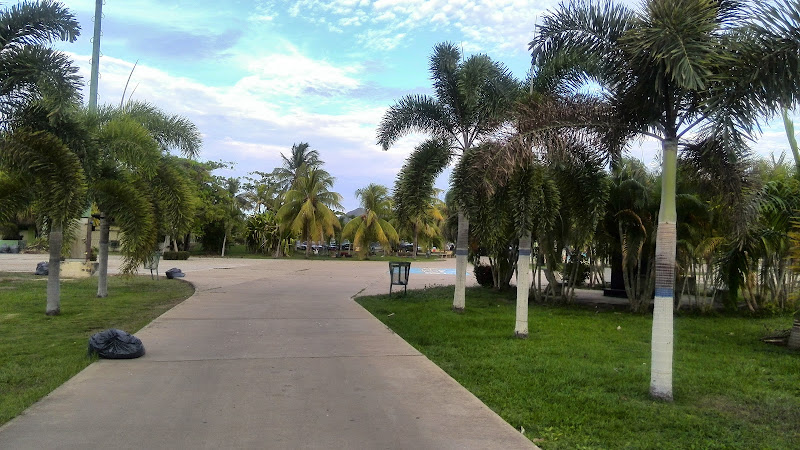
Andrés Eloy Blanco Park
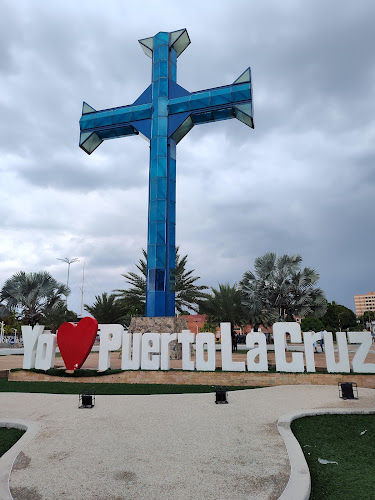
Paseo De La Cruz Y El Mar (Paseo Colón)

Venecianoarnerart
Find Accommodations Nearby
Recommended Tours & Activities
Visitor Reviews
There are no reviews yet. Be the first one to write one.
Share Your Experience
Have you visited Casa De Fritox? Help other travelers by leaving a review.