
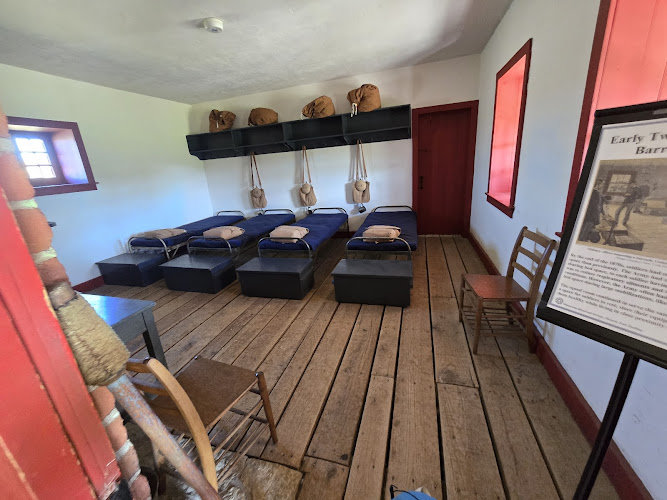
Historic Fort Snelling Visitor Center
About Historic Fort Snelling Visitor Center
Description
The Historic Fort Snelling Visitor Center is one of those places that quietly surprises you. At first glance, it looks like just another museum stop, but once you step inside, you realize it’s a living, breathing piece of Minnesota’s story. The center sits near the confluence of the Mississippi and Minnesota Rivers, a site known to the Dakota people as Bdote—meaning “where two waters meet.” It’s not just a historic landmark; it’s a crossroads of cultures, memories, and moments that shaped the region.
I remember my first time walking through those doors—it wasn’t even a sunny day, but the atmosphere felt warm. The staff greeted me with that genuine Minnesota friendliness, the kind that makes you feel like you’ve known them for years. Inside, the exhibits weave together stories of Native peoples, soldiers, enslaved individuals, immigrants, and traders who once called this place home. It’s humbling, really, to stand where so many different lives once intersected.
The Visitor Center itself has been renovated beautifully in recent years. It’s modern but doesn’t lose its sense of history. The displays are interactive, the storytelling is thoughtful, and the architecture somehow manages to blend the old and new seamlessly. You can spend hours here without realizing how much time has passed. And yes, it’s fully accessible—wheelchair access, restrooms, and on-site parking make it easy for everyone to experience it comfortably. Families will find it especially welcoming, with plenty of open space and exhibits that even kids can enjoy without getting bored.
Key Features
- Immersive Exhibits: Engaging displays that explore 10,000 years of human history in the area, from Dakota homeland to military fort.
- Plank Museum & Visitor Center: A recently updated space that introduces visitors to Fort Snelling’s layered stories through multimedia and artifacts.
- Accessibility: Wheelchair-accessible entrances, restrooms, and parking ensure an inclusive experience for all visitors.
- On-site Amenities: Clean restrooms, ample parking, and a comfortable environment for families and groups.
- Educational Programs: Regularly scheduled guided tours, reenactments, and interactive learning sessions bring history to life.
- Friendly Staff: Knowledgeable guides and volunteers who are genuinely passionate about sharing the fort’s stories.
- Gift Shop: A small but well-curated selection of books, local crafts, and souvenirs that actually mean something.
What I personally love most is how the Visitor Center doesn’t shy away from the complex parts of history—it faces them head-on. It acknowledges the Dakota homeland and the painful chapters of the past while celebrating resilience and renewal. That honesty gives the place a kind of integrity that’s rare in tourist destinations.
Best Time to Visit
Honestly, there’s no bad time to visit, but if you want the full experience, late spring through early fall is ideal. The weather is pleasant, and the fort’s outdoor areas are alive with reenactments, demonstrations, and events. I went once in June, and there were people in period clothing cooking over open fires and explaining daily life in the 1820s—it felt like stepping into another time.
If you prefer fewer crowds, try visiting on a weekday morning. The pace is slower, and you can take your time exploring the exhibits without feeling rushed. Winter visits have their own charm, too. The snow-covered grounds make the fort look almost cinematic, and the quiet gives you space to reflect on the history that unfolded here. Just make sure to dress warmly—it can get pretty brisk by the river.
For photographers, sunrise and late afternoon are magic hours. The light hits the old stone walls in a way that makes everything glow. Bring your camera—you’ll want to capture that view.
How to Get There
Getting to the Historic Fort Snelling Visitor Center is straightforward. It’s located near the heart of the Twin Cities, just a short drive from both downtown Minneapolis and St. Paul. You can easily reach it by car, and there’s plenty of on-site parking available, which is always a relief when traveling with family or friends.
If you prefer public transportation, several bus routes stop nearby, and the light rail has a station not too far from the site. From there, it’s a brief walk—though I’ll admit, the walk feels longer when it’s cold out. Still, it’s worth it once you arrive and see the fort rising above the river valley.
Cyclists will appreciate the scenic trails that lead to the area, especially along the river. It’s one of those routes where the journey itself feels like part of the experience. Just keep an eye out for the hills—they can sneak up on you.
Tips for Visiting
Here’s the thing about visiting a place like this: the more you slow down, the more you notice. Don’t rush through the exhibits. Take a moment to read the plaques, listen to the audio stories, and talk to the guides—they’re full of insights you won’t find in the displays.
- Plan at least two hours: There’s more to see than you might expect, especially if you explore the fort grounds after touring the Visitor Center.
- Bring comfortable shoes: You’ll do a fair bit of walking, and some paths are uneven.
- Check the event schedule: The center often hosts special programs, reenactments, and cultural events that add extra depth to your visit.
- Stay hydrated: Especially in summer—the open areas can get warm under the sun.
- Ask questions: The staff love to share stories and can point out hidden details you might otherwise miss.
- Respect the site: Remember that this land holds deep significance for the Dakota people and others connected to its history.
- Bring kids: It’s a surprisingly family-friendly destination, with interactive elements that keep younger visitors engaged.
One small personal tip: after your visit, take a walk down to where the two rivers meet. It’s quiet, peaceful, and somehow grounding. You can almost feel the layers of time there—the centuries of footsteps, the echoes of voices long gone. It’s the kind of moment that stays with you.
The Historic Fort Snelling Visitor Center isn’t just another stop on a Minnesota itinerary—it’s a place that connects past and present in a way that feels deeply human. Whether you’re a history buff, a curious traveler, or just someone looking for a meaningful experience, this site offers something real. It’s a reminder that history isn’t a set of dates or names—it’s people, stories, and the land itself. And that’s what makes this place worth every minute of your visit.
Key Features
- Key Features
- Best Time to Visit
- How to Get There
- Tips for Visiting
More Details
Updated November 10, 2025
Table of Contents
Description
The Historic Fort Snelling Visitor Center is one of those places that quietly surprises you. At first glance, it looks like just another museum stop, but once you step inside, you realize it’s a living, breathing piece of Minnesota’s story. The center sits near the confluence of the Mississippi and Minnesota Rivers, a site known to the Dakota people as Bdote—meaning “where two waters meet.” It’s not just a historic landmark; it’s a crossroads of cultures, memories, and moments that shaped the region.
I remember my first time walking through those doors—it wasn’t even a sunny day, but the atmosphere felt warm. The staff greeted me with that genuine Minnesota friendliness, the kind that makes you feel like you’ve known them for years. Inside, the exhibits weave together stories of Native peoples, soldiers, enslaved individuals, immigrants, and traders who once called this place home. It’s humbling, really, to stand where so many different lives once intersected.
The Visitor Center itself has been renovated beautifully in recent years. It’s modern but doesn’t lose its sense of history. The displays are interactive, the storytelling is thoughtful, and the architecture somehow manages to blend the old and new seamlessly. You can spend hours here without realizing how much time has passed. And yes, it’s fully accessible—wheelchair access, restrooms, and on-site parking make it easy for everyone to experience it comfortably. Families will find it especially welcoming, with plenty of open space and exhibits that even kids can enjoy without getting bored.
Key Features
- Immersive Exhibits: Engaging displays that explore 10,000 years of human history in the area, from Dakota homeland to military fort.
- Plank Museum & Visitor Center: A recently updated space that introduces visitors to Fort Snelling’s layered stories through multimedia and artifacts.
- Accessibility: Wheelchair-accessible entrances, restrooms, and parking ensure an inclusive experience for all visitors.
- On-site Amenities: Clean restrooms, ample parking, and a comfortable environment for families and groups.
- Educational Programs: Regularly scheduled guided tours, reenactments, and interactive learning sessions bring history to life.
- Friendly Staff: Knowledgeable guides and volunteers who are genuinely passionate about sharing the fort’s stories.
- Gift Shop: A small but well-curated selection of books, local crafts, and souvenirs that actually mean something.
What I personally love most is how the Visitor Center doesn’t shy away from the complex parts of history—it faces them head-on. It acknowledges the Dakota homeland and the painful chapters of the past while celebrating resilience and renewal. That honesty gives the place a kind of integrity that’s rare in tourist destinations.
Best Time to Visit
Honestly, there’s no bad time to visit, but if you want the full experience, late spring through early fall is ideal. The weather is pleasant, and the fort’s outdoor areas are alive with reenactments, demonstrations, and events. I went once in June, and there were people in period clothing cooking over open fires and explaining daily life in the 1820s—it felt like stepping into another time.
If you prefer fewer crowds, try visiting on a weekday morning. The pace is slower, and you can take your time exploring the exhibits without feeling rushed. Winter visits have their own charm, too. The snow-covered grounds make the fort look almost cinematic, and the quiet gives you space to reflect on the history that unfolded here. Just make sure to dress warmly—it can get pretty brisk by the river.
For photographers, sunrise and late afternoon are magic hours. The light hits the old stone walls in a way that makes everything glow. Bring your camera—you’ll want to capture that view.
How to Get There
Getting to the Historic Fort Snelling Visitor Center is straightforward. It’s located near the heart of the Twin Cities, just a short drive from both downtown Minneapolis and St. Paul. You can easily reach it by car, and there’s plenty of on-site parking available, which is always a relief when traveling with family or friends.
If you prefer public transportation, several bus routes stop nearby, and the light rail has a station not too far from the site. From there, it’s a brief walk—though I’ll admit, the walk feels longer when it’s cold out. Still, it’s worth it once you arrive and see the fort rising above the river valley.
Cyclists will appreciate the scenic trails that lead to the area, especially along the river. It’s one of those routes where the journey itself feels like part of the experience. Just keep an eye out for the hills—they can sneak up on you.
Tips for Visiting
Here’s the thing about visiting a place like this: the more you slow down, the more you notice. Don’t rush through the exhibits. Take a moment to read the plaques, listen to the audio stories, and talk to the guides—they’re full of insights you won’t find in the displays.
- Plan at least two hours: There’s more to see than you might expect, especially if you explore the fort grounds after touring the Visitor Center.
- Bring comfortable shoes: You’ll do a fair bit of walking, and some paths are uneven.
- Check the event schedule: The center often hosts special programs, reenactments, and cultural events that add extra depth to your visit.
- Stay hydrated: Especially in summer—the open areas can get warm under the sun.
- Ask questions: The staff love to share stories and can point out hidden details you might otherwise miss.
- Respect the site: Remember that this land holds deep significance for the Dakota people and others connected to its history.
- Bring kids: It’s a surprisingly family-friendly destination, with interactive elements that keep younger visitors engaged.
One small personal tip: after your visit, take a walk down to where the two rivers meet. It’s quiet, peaceful, and somehow grounding. You can almost feel the layers of time there—the centuries of footsteps, the echoes of voices long gone. It’s the kind of moment that stays with you.
The Historic Fort Snelling Visitor Center isn’t just another stop on a Minnesota itinerary—it’s a place that connects past and present in a way that feels deeply human. Whether you’re a history buff, a curious traveler, or just someone looking for a meaningful experience, this site offers something real. It’s a reminder that history isn’t a set of dates or names—it’s people, stories, and the land itself. And that’s what makes this place worth every minute of your visit.
Key Highlights
- Key Features
- Best Time to Visit
- How to Get There
- Tips for Visiting
Location
Places to Stay Near Historic Fort Snelling Visitor Center
Find and Book a Tour
Explore More Travel Guides
No reviews found! Be the first to review!
Traveler Reviews for Historic Fort Snelling Visitor Center
There are no reviews yet. Be the first one to write one.
Have you visited Historic Fort Snelling Visitor Center? Help other travelers by sharing your review.
You Might Also Like
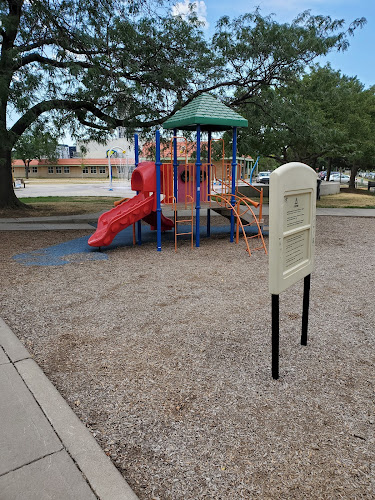
Currie Park
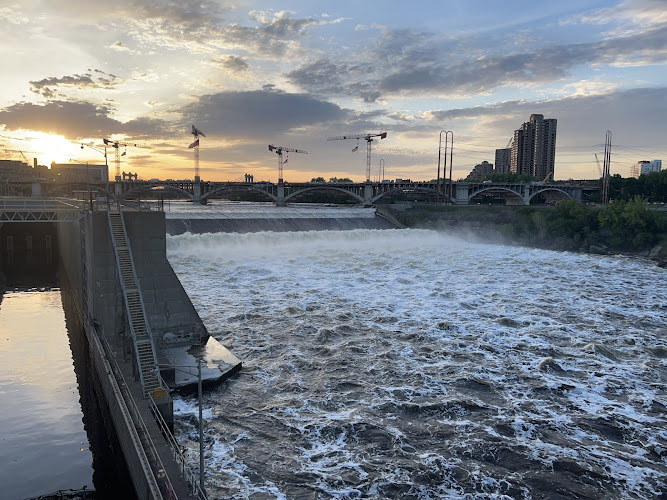
Central Mississippi Riverfront Regional Park
Foshay Museum and Observation Deck
Find Accommodations Nearby
Recommended Tours & Activities
Visitor Reviews
There are no reviews yet. Be the first one to write one.
Share Your Experience
Have you visited Historic Fort Snelling Visitor Center? Help other travelers by leaving a review.