
Monumen Batik
About Monumen Batik
Description
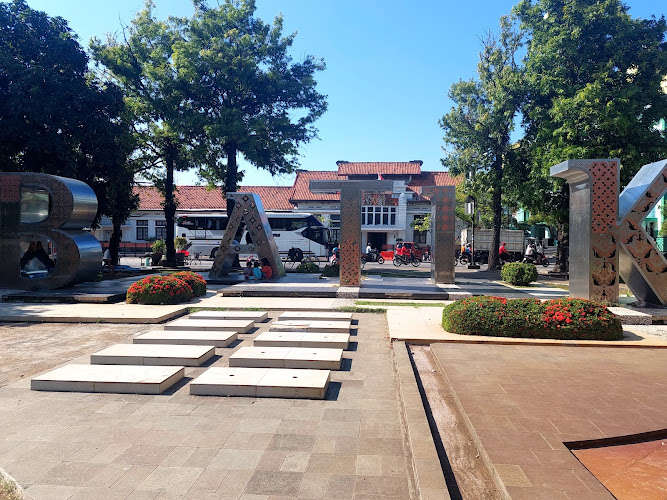
Monumen Batik stands as a proud symbol of Indonesia’s deep-rooted batik heritage, a craft that has shaped the cultural identity of Pekalongan for generations. The monument isn’t just a piece of architecture—it’s a story carved in stone and color, celebrating the artistry and patience behind every hand-drawn pattern. When travelers first step into the area, they often feel that quiet awe that comes from realizing they’re standing in a city that lives and breathes batik. It’s not flashy or overly grand, but it has this humble dignity that pulls you in.
I remember the first time I saw it. I was wandering around after a long morning at the Batik Museum, and there it was—gleaming under the afternoon sun, with locals chatting nearby and kids chasing each other around its base. There’s something very real about it, something that makes you pause and think about the people who’ve kept this tradition alive. It’s not a place you rush through; it’s one you take your time with. You’ll see intricate motifs on the monument’s surface, each one representing stories and philosophies passed down through families.
What makes Monumen Batik particularly special is how it connects past and present. It’s not locked away behind ropes or glass. It’s open, accessible, and part of everyday life. You might spot a street vendor selling snacks nearby, or a group of students sketching the monument for an art project. And honestly, that’s what I love most—it’s not just a tourist stop, it’s a living tribute to a community’s creativity and resilience.
Key Features
- Iconic Batik Motifs: The monument’s design features traditional patterns unique to Pekalongan, symbolizing harmony and cultural pride.
- Family-Friendly Atmosphere: The open plaza around the monument is perfect for children to play safely while adults take in the scenery.
- Photo Opportunities: The structure’s intricate carvings and the surrounding gardens make it a great backdrop for photos, especially around sunset.
- Cultural Significance: Acts as a central point for local festivals and batik-related events, connecting visitors with the city’s artistic roots.
- Accessibility: Located in a public space that’s easy to reach and free to visit, making it a convenient stop for travelers exploring Pekalongan.
Best Time to Visit
If you ask me, the best time to visit Monumen Batik is late afternoon—around 4 or 5 PM. The light is softer, the heat has mellowed, and the monument seems to glow with this warm golden hue that makes every photo look cinematic. Mornings are nice too if you want a quieter experience, especially if you’re into photography or sketching. Avoid midday unless you’re a fan of standing under the blazing tropical sun—it gets pretty intense.
The atmosphere shifts beautifully in the evening. Locals often gather around, and you’ll hear the hum of conversation, maybe even a street musician playing nearby. If you’re lucky, you might catch a small cultural event or local performance. And if you’re visiting during a festival or batik celebration, the area transforms into a vibrant hub of color and sound—truly something you shouldn’t miss.
How to Get There
Getting to Monumen Batik is straightforward. Pekalongan is well-connected by train and road, and once you’re in the city, you can easily reach the monument by taxi, motorbike, or even a becak (a traditional three-wheeled pedicab). Personally, I recommend the becak ride—it’s slow, scenic, and gives you a chance to take in the rhythm of the city. You’ll pass by small shops selling batik fabrics, food stalls with the smell of freshly fried snacks, and friendly locals who always seem ready to smile or wave.
If you’re staying near the city center, it’s just a short trip away. Some travelers even prefer walking, especially in the cooler hours of the day. The streets are lively but manageable, and you’ll get a real feel for Pekalongan’s local charm along the way.
Tips for Visiting
Here’s the thing about visiting Monumen Batik—it’s not a place you check off a list. It’s one you experience. So, take your time. Sit on a bench, watch the people, maybe grab a cup of iced coffee from a nearby stall. The monument is more than its structure; it’s the heartbeat of a community that takes immense pride in its art.
- Go Early or Late: To avoid the heat and get the best lighting for photos, visit in the morning or late afternoon.
- Bring a Hat or Umbrella: The area is open and sunny, so a bit of shade can make your visit more comfortable.
- Talk to Locals: Many people around are eager to share stories about batik and Pekalongan’s history—don’t be shy!
- Combine Your Visit: Pair your trip with a stop at the Batik Museum or local workshops to see artisans at work.
- Be Respectful: It’s a public space that holds cultural importance, so keep noise and litter to a minimum.
One more thing: don’t rush to leave. I once stayed until dusk, just sitting quietly while the sky turned a deep orange behind the monument. It’s moments like that which make travel worthwhile—the kind that don’t show up in guidebooks but stay with you long after you’ve gone home. Monumen Batik might not be the biggest or most famous landmark in Indonesia, but it captures something essential: the beauty of tradition, the warmth of community, and the simple joy of being part of a story that’s still being written.
Key Features
- Key Features
- Best Time to Visit
- How to Get There
- Tips for Visiting
More Details
Updated November 10, 2025
Table of Contents
Description
Monumen Batik stands as a proud symbol of Indonesia’s deep-rooted batik heritage, a craft that has shaped the cultural identity of Pekalongan for generations. The monument isn’t just a piece of architecture—it’s a story carved in stone and color, celebrating the artistry and patience behind every hand-drawn pattern. When travelers first step into the area, they often feel that quiet awe that comes from realizing they’re standing in a city that lives and breathes batik. It’s not flashy or overly grand, but it has this humble dignity that pulls you in.
I remember the first time I saw it. I was wandering around after a long morning at the Batik Museum, and there it was—gleaming under the afternoon sun, with locals chatting nearby and kids chasing each other around its base. There’s something very real about it, something that makes you pause and think about the people who’ve kept this tradition alive. It’s not a place you rush through; it’s one you take your time with. You’ll see intricate motifs on the monument’s surface, each one representing stories and philosophies passed down through families.
What makes Monumen Batik particularly special is how it connects past and present. It’s not locked away behind ropes or glass. It’s open, accessible, and part of everyday life. You might spot a street vendor selling snacks nearby, or a group of students sketching the monument for an art project. And honestly, that’s what I love most—it’s not just a tourist stop, it’s a living tribute to a community’s creativity and resilience.
Key Features
- Iconic Batik Motifs: The monument’s design features traditional patterns unique to Pekalongan, symbolizing harmony and cultural pride.
- Family-Friendly Atmosphere: The open plaza around the monument is perfect for children to play safely while adults take in the scenery.
- Photo Opportunities: The structure’s intricate carvings and the surrounding gardens make it a great backdrop for photos, especially around sunset.
- Cultural Significance: Acts as a central point for local festivals and batik-related events, connecting visitors with the city’s artistic roots.
- Accessibility: Located in a public space that’s easy to reach and free to visit, making it a convenient stop for travelers exploring Pekalongan.
Best Time to Visit
If you ask me, the best time to visit Monumen Batik is late afternoon—around 4 or 5 PM. The light is softer, the heat has mellowed, and the monument seems to glow with this warm golden hue that makes every photo look cinematic. Mornings are nice too if you want a quieter experience, especially if you’re into photography or sketching. Avoid midday unless you’re a fan of standing under the blazing tropical sun—it gets pretty intense.
The atmosphere shifts beautifully in the evening. Locals often gather around, and you’ll hear the hum of conversation, maybe even a street musician playing nearby. If you’re lucky, you might catch a small cultural event or local performance. And if you’re visiting during a festival or batik celebration, the area transforms into a vibrant hub of color and sound—truly something you shouldn’t miss.
How to Get There
Getting to Monumen Batik is straightforward. Pekalongan is well-connected by train and road, and once you’re in the city, you can easily reach the monument by taxi, motorbike, or even a becak (a traditional three-wheeled pedicab). Personally, I recommend the becak ride—it’s slow, scenic, and gives you a chance to take in the rhythm of the city. You’ll pass by small shops selling batik fabrics, food stalls with the smell of freshly fried snacks, and friendly locals who always seem ready to smile or wave.
If you’re staying near the city center, it’s just a short trip away. Some travelers even prefer walking, especially in the cooler hours of the day. The streets are lively but manageable, and you’ll get a real feel for Pekalongan’s local charm along the way.
Tips for Visiting
Here’s the thing about visiting Monumen Batik—it’s not a place you check off a list. It’s one you experience. So, take your time. Sit on a bench, watch the people, maybe grab a cup of iced coffee from a nearby stall. The monument is more than its structure; it’s the heartbeat of a community that takes immense pride in its art.
- Go Early or Late: To avoid the heat and get the best lighting for photos, visit in the morning or late afternoon.
- Bring a Hat or Umbrella: The area is open and sunny, so a bit of shade can make your visit more comfortable.
- Talk to Locals: Many people around are eager to share stories about batik and Pekalongan’s history—don’t be shy!
- Combine Your Visit: Pair your trip with a stop at the Batik Museum or local workshops to see artisans at work.
- Be Respectful: It’s a public space that holds cultural importance, so keep noise and litter to a minimum.
One more thing: don’t rush to leave. I once stayed until dusk, just sitting quietly while the sky turned a deep orange behind the monument. It’s moments like that which make travel worthwhile—the kind that don’t show up in guidebooks but stay with you long after you’ve gone home. Monumen Batik might not be the biggest or most famous landmark in Indonesia, but it captures something essential: the beauty of tradition, the warmth of community, and the simple joy of being part of a story that’s still being written.
Key Highlights
- Key Features
- Best Time to Visit
- How to Get There
- Tips for Visiting
Location
Places to Stay Near Monumen Batik
Find and Book a Tour
Explore More Travel Guides
No reviews found! Be the first to review!
Traveler Reviews for Monumen Batik
There are no reviews yet. Be the first one to write one.
Have you visited Monumen Batik? Help other travelers by sharing your review.
You Might Also Like
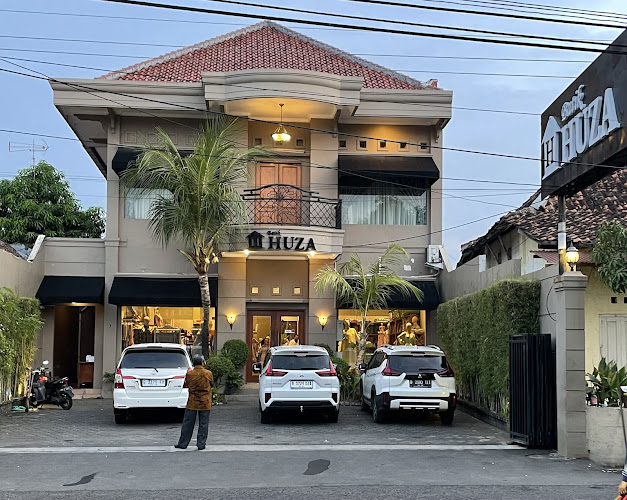
Batik Huza Pekalongan (Pusat)

Dekoro
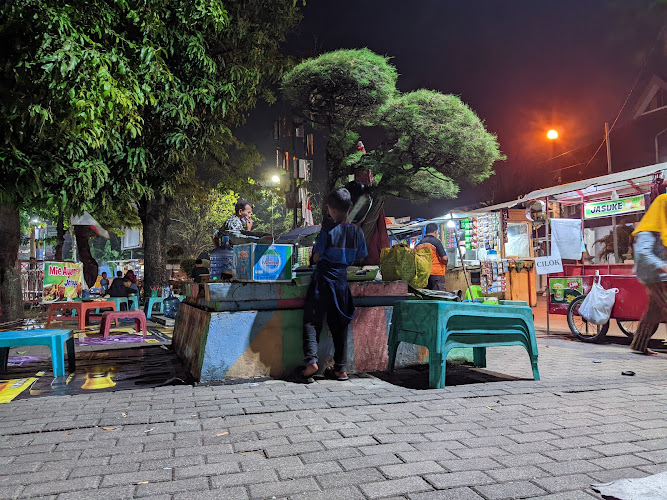
Jetayu Comunity
Find Accommodations Nearby
Recommended Tours & Activities
Visitor Reviews
There are no reviews yet. Be the first one to write one.
Share Your Experience
Have you visited Monumen Batik? Help other travelers by leaving a review.