

Pekalongan Train Station
About Pekalongan Train Station
Description
Pekalongan Train Station is one of those places that quietly grows on you the more time you spend there. It’s not the kind of spot that shouts for attention, but it has this subtle charm that reflects the rhythm of everyday life in Central Java. The station serves as a key stop on the northern railway line, connecting travelers to major cities like Semarang, Tegal, and Jakarta. It’s an essential hub for commuters, traders, and curious travelers who want to explore the batik capital of Indonesia.
What makes the station stand out is its mix of old-world architecture and modern practicality. You can still see traces of Dutch colonial design in its structure—arched windows, thick walls, and that timeless roofline that seems to hold stories from decades ago. Yet, it’s been upgraded enough to feel comfortable for modern travel. The platforms are clean, signage is clear, and there’s a sense of order that makes navigating the place surprisingly easy, even if you’re new to Indonesian train systems.
Personally, I’ve always liked how the atmosphere here feels grounded. You’ll see families waving goodbye, vendors selling snacks that smell way too good to resist, and train staff who always seem to know exactly what’s going on. It’s not flashy, but it’s efficient, and there’s something reassuring about that. Sure, it can get crowded during holidays, but that’s part of the experience—watching the flow of people, hearing snippets of conversation in Javanese, and feeling that shared anticipation before a train arrives.
Key Features
- Accessibility: The station is wheelchair-friendly, with accessible entrances, restrooms, and parking spaces. It’s one of the few regional stations that genuinely caters to travelers with mobility needs.
- Amenities: There’s secure baggage storage, clean restrooms, and a few small kiosks selling drinks and snacks. It’s not luxurious, but it covers the essentials nicely.
- 24-Hour Transit: Trains run throughout the day and night, which makes it convenient for travelers arriving late or catching early departures.
- Efficient Operations: The staff are known for being helpful and organized, keeping things moving smoothly even during busy travel seasons.
- Local Connection: The station is close to Pekalongan’s main attractions, making it easy to hop off the train and dive right into exploring the city’s batik markets and coastal scenery.
Best Time to Visit
If you’re planning to travel through Pekalongan Train Station, timing can make a big difference. The dry season, roughly from May to September, is ideal. The weather is more predictable, and you won’t have to worry about rain delays or slippery platforms. That said, there’s a certain charm in visiting during the rainy months too—watching the rain drizzle over the tracks while sipping a cup of hot kopi hitam (black coffee) from a nearby stall feels oddly peaceful.
Weekdays are generally less crowded. If you can, avoid traveling during major holidays like Eid or Christmas, when the station becomes a sea of travelers heading home or off on vacation. Early mornings are my personal favorite time to be there—the air feels fresher, the crowds haven’t built up yet, and you can actually hear the rhythmic hum of the trains rolling in and out.
How to Get There
Getting to the station is pretty straightforward. If you’re already in Pekalongan, you can take a local angkot (minibus) or an online motorcycle taxi service—both affordable and easy to find. The station sits right in the heart of the city, so it’s rarely more than a short ride away from most hotels or tourist spots. For those coming from nearby cities like Tegal or Semarang, the train itself is the best option—it’s comfortable, scenic, and often faster than driving, especially during peak traffic hours.
For travelers arriving from Jakarta, the journey by train takes around four to five hours, depending on the class of service. The executive class offers air conditioning, reclining seats, and a smoother ride, but even the economy class has improved a lot over the years. If you’re the type who enjoys watching the countryside roll by, you’ll love the route—rice fields, small villages, and glimpses of the Java coastline make it a surprisingly beautiful trip.
Tips for Visiting
Here’s where a few insider tips can make your visit smoother. First, arrive a bit early. It’s not uncommon for trains to board earlier than scheduled, and it gives you time to find your platform without rushing. The station layout is simple, but during busy hours, it can feel like everyone’s moving in different directions at once.
Second, keep some small cash handy. You’ll need it for snacks, drinks, or maybe a quick bite from one of the local food stalls outside the station. There’s something about grabbing a warm nasi bungkus (rice wrapped in banana leaf) before boarding that just feels right. And yes, you can bring food on the train—just be considerate of your fellow passengers.
Third, if you’re traveling with luggage, use the baggage storage service. It’s affordable and secure, which gives you the freedom to explore the city without dragging your suitcase around. The staff there are used to handling travelers’ belongings and are generally quite trustworthy.
And here’s a personal note—don’t rush off after your train arrives. Take a few minutes to soak it all in. Watch the trains come and go, listen to the announcements echo through the hall, and maybe chat with a local who’s waiting for their ride. You’ll get a sense of Pekalongan’s real character that way—unpretentious, warm, and quietly proud of its heritage.
Lastly, if you’re continuing your journey beyond Pekalongan, double-check your ticket details before you board. Indonesian railways have become much more digitalized, but sometimes travelers forget to confirm seat numbers or platform changes. A quick check can save you from last-minute confusion.
In the end, Pekalongan Train Station might not be the flashiest or largest in Indonesia, but it’s got heart. It’s a place where history meets daily life, where the old and new coexist in a way that feels natural. Whether you’re passing through or starting your journey here, it’s worth taking a moment to appreciate the rhythm of travel that pulses through its platforms—a rhythm that’s been beating for generations and will keep going long after your train has pulled away.
Key Features
- Key Features
- Best Time to Visit
- How to Get There
- Tips for Visiting
More Details
Updated November 10, 2025
Table of Contents
Description
Pekalongan Train Station is one of those places that quietly grows on you the more time you spend there. It’s not the kind of spot that shouts for attention, but it has this subtle charm that reflects the rhythm of everyday life in Central Java. The station serves as a key stop on the northern railway line, connecting travelers to major cities like Semarang, Tegal, and Jakarta. It’s an essential hub for commuters, traders, and curious travelers who want to explore the batik capital of Indonesia.
What makes the station stand out is its mix of old-world architecture and modern practicality. You can still see traces of Dutch colonial design in its structure—arched windows, thick walls, and that timeless roofline that seems to hold stories from decades ago. Yet, it’s been upgraded enough to feel comfortable for modern travel. The platforms are clean, signage is clear, and there’s a sense of order that makes navigating the place surprisingly easy, even if you’re new to Indonesian train systems.
Personally, I’ve always liked how the atmosphere here feels grounded. You’ll see families waving goodbye, vendors selling snacks that smell way too good to resist, and train staff who always seem to know exactly what’s going on. It’s not flashy, but it’s efficient, and there’s something reassuring about that. Sure, it can get crowded during holidays, but that’s part of the experience—watching the flow of people, hearing snippets of conversation in Javanese, and feeling that shared anticipation before a train arrives.
Key Features
- Accessibility: The station is wheelchair-friendly, with accessible entrances, restrooms, and parking spaces. It’s one of the few regional stations that genuinely caters to travelers with mobility needs.
- Amenities: There’s secure baggage storage, clean restrooms, and a few small kiosks selling drinks and snacks. It’s not luxurious, but it covers the essentials nicely.
- 24-Hour Transit: Trains run throughout the day and night, which makes it convenient for travelers arriving late or catching early departures.
- Efficient Operations: The staff are known for being helpful and organized, keeping things moving smoothly even during busy travel seasons.
- Local Connection: The station is close to Pekalongan’s main attractions, making it easy to hop off the train and dive right into exploring the city’s batik markets and coastal scenery.
Best Time to Visit
If you’re planning to travel through Pekalongan Train Station, timing can make a big difference. The dry season, roughly from May to September, is ideal. The weather is more predictable, and you won’t have to worry about rain delays or slippery platforms. That said, there’s a certain charm in visiting during the rainy months too—watching the rain drizzle over the tracks while sipping a cup of hot kopi hitam (black coffee) from a nearby stall feels oddly peaceful.
Weekdays are generally less crowded. If you can, avoid traveling during major holidays like Eid or Christmas, when the station becomes a sea of travelers heading home or off on vacation. Early mornings are my personal favorite time to be there—the air feels fresher, the crowds haven’t built up yet, and you can actually hear the rhythmic hum of the trains rolling in and out.
How to Get There
Getting to the station is pretty straightforward. If you’re already in Pekalongan, you can take a local angkot (minibus) or an online motorcycle taxi service—both affordable and easy to find. The station sits right in the heart of the city, so it’s rarely more than a short ride away from most hotels or tourist spots. For those coming from nearby cities like Tegal or Semarang, the train itself is the best option—it’s comfortable, scenic, and often faster than driving, especially during peak traffic hours.
For travelers arriving from Jakarta, the journey by train takes around four to five hours, depending on the class of service. The executive class offers air conditioning, reclining seats, and a smoother ride, but even the economy class has improved a lot over the years. If you’re the type who enjoys watching the countryside roll by, you’ll love the route—rice fields, small villages, and glimpses of the Java coastline make it a surprisingly beautiful trip.
Tips for Visiting
Here’s where a few insider tips can make your visit smoother. First, arrive a bit early. It’s not uncommon for trains to board earlier than scheduled, and it gives you time to find your platform without rushing. The station layout is simple, but during busy hours, it can feel like everyone’s moving in different directions at once.
Second, keep some small cash handy. You’ll need it for snacks, drinks, or maybe a quick bite from one of the local food stalls outside the station. There’s something about grabbing a warm nasi bungkus (rice wrapped in banana leaf) before boarding that just feels right. And yes, you can bring food on the train—just be considerate of your fellow passengers.
Third, if you’re traveling with luggage, use the baggage storage service. It’s affordable and secure, which gives you the freedom to explore the city without dragging your suitcase around. The staff there are used to handling travelers’ belongings and are generally quite trustworthy.
And here’s a personal note—don’t rush off after your train arrives. Take a few minutes to soak it all in. Watch the trains come and go, listen to the announcements echo through the hall, and maybe chat with a local who’s waiting for their ride. You’ll get a sense of Pekalongan’s real character that way—unpretentious, warm, and quietly proud of its heritage.
Lastly, if you’re continuing your journey beyond Pekalongan, double-check your ticket details before you board. Indonesian railways have become much more digitalized, but sometimes travelers forget to confirm seat numbers or platform changes. A quick check can save you from last-minute confusion.
In the end, Pekalongan Train Station might not be the flashiest or largest in Indonesia, but it’s got heart. It’s a place where history meets daily life, where the old and new coexist in a way that feels natural. Whether you’re passing through or starting your journey here, it’s worth taking a moment to appreciate the rhythm of travel that pulses through its platforms—a rhythm that’s been beating for generations and will keep going long after your train has pulled away.
Key Highlights
- Key Features
- Best Time to Visit
- How to Get There
- Tips for Visiting
Location
Places to Stay Near Pekalongan Train Station
Find and Book a Tour
Explore More Travel Guides
No reviews found! Be the first to review!
Traveler Reviews for Pekalongan Train Station
There are no reviews yet. Be the first one to write one.
Have you visited Pekalongan Train Station? Help other travelers by sharing your review.
You Might Also Like
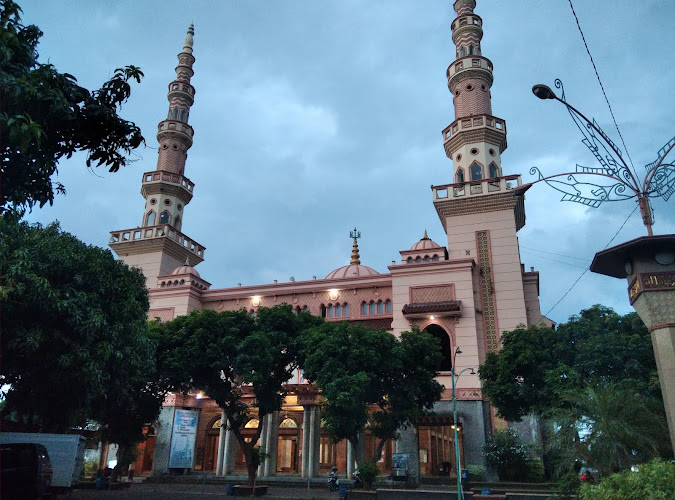
Al-Fairuz Pekalongan Mosque
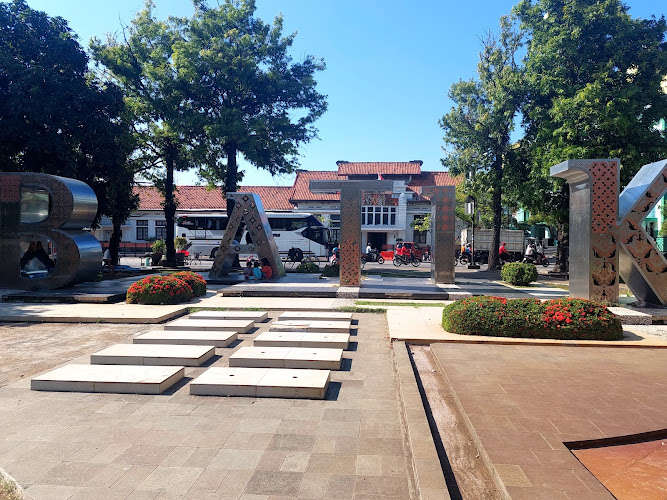
Monumen Batik
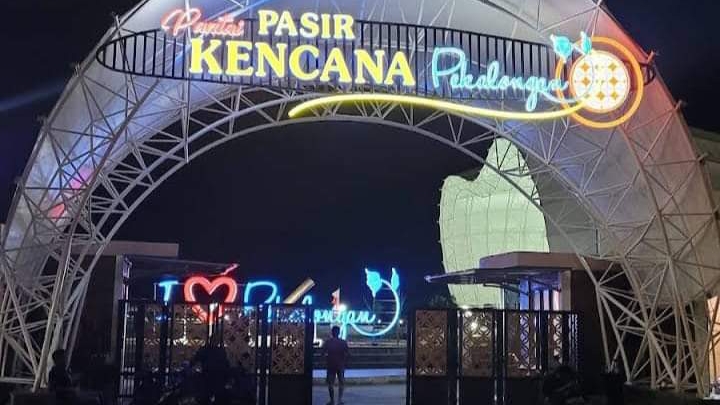
Pantai Pasir Kencana Pekalongan
Find Accommodations Nearby
Recommended Tours & Activities
Visitor Reviews
There are no reviews yet. Be the first one to write one.
Share Your Experience
Have you visited Pekalongan Train Station? Help other travelers by leaving a review.