

Neckarschleuse Feudenheim
About Neckarschleuse Feudenheim
Description
The Neckarschleuse Feudenheim, tucked along the Neckar River in Mannheim, is one of those places that quietly commands your attention without shouting for it. It’s not a flashy tourist hotspot with souvenir stands or crowds snapping selfies every few seconds. Instead, it’s a working piece of engineering that has been shaping the way ships move between the Rhine and the Neckar for nearly a century. And honestly, that’s what makes it fascinating. You can stand there and literally watch the mechanics of water management unfold right before your eyes — a sort of slow-motion ballet of steel gates, rushing water, and patient captains steering their vessels through the lock.
Built originally in 1927 and expanded in the 1970s, the Feudenheim Lock (as it’s often called in English) serves as the official “gateway” to the Neckar for ships coming from the Rhine. It’s not just a lock; it’s a transition point between two entirely different water systems. The Neckar here becomes regulated, tamed even, compared to the freer flow of the Rhine. There’s something poetic about that — watching nature and human engineering meet halfway and shake hands.
I remember visiting on a slightly overcast afternoon, the kind where the clouds hang low and the air smells faintly of river and metal. A cargo ship was waiting to enter the chamber, and the lock operator gave a friendly wave from his control cabin. It’s those small moments that make this place feel alive. There’s a rhythm to it — the slow filling and emptying of water, the groaning of massive gates, and the soft hum of machinery that’s been doing its job for decades. It’s oddly calming, almost meditative, to just stand there and watch.
For travelers who appreciate industrial heritage, the Neckarschleuse Feudenheim is a quiet gem. It’s part of Mannheim’s broader network of waterways that have made the region an industrial powerhouse, but it also holds a certain charm for photographers, history buffs, and anyone who enjoys seeing how things work behind the scenes. The surrounding area is peaceful too — you’ll find walking and cycling paths nearby, a few benches to sit and watch the boats, and the occasional fisherman casting a line into the calm waters.
Sure, it’s not perfect. Sometimes it feels a bit too industrial, and depending on the day, you might catch a whiff of diesel or hear the clang of maintenance work. But that’s part of its authenticity. This isn’t a polished tourist attraction; it’s a living, working piece of history that continues to serve its purpose. And for those who appreciate that kind of raw, unfiltered experience, it’s absolutely worth the visit.
Key Features
- Historic Engineering: The original double lock dates back to 1927, with a third, larger chamber added in 1973 to accommodate modern vessels.
- Gateway to the Neckar: It marks the transition from the free-flowing Rhine to the regulated Neckar, earning it the nickname “Entrance Lock of the Neckar.”
- Active Operation: The lock is still fully functional, handling both commercial and recreational vessels daily.
- Observation Points: Several accessible spots nearby allow visitors to watch the lock in action — great for photography or just soaking in the atmosphere.
- Industrial Heritage: The site is part of Mannheim’s historic waterway network, which has played a major role in the region’s economic development.
- Scenic Surroundings: Walking paths, green spaces, and river views make it a pleasant stop for cyclists and walkers exploring the Neckarplatt area.
Best Time to Visit
If you’re planning a visit, late spring through early autumn is the sweet spot. The weather is mild, the riverbanks are lush, and the light during golden hour makes for stunning photos. Summer tends to be busier, especially on weekends when locals come out for walks or bike rides along the water, but it’s still far from crowded. Early mornings are magical — the mist rising over the river and the quiet hum of the first boats setting off for the day. There’s a serenity that’s hard to find elsewhere.
Winter visits have their own charm, though. The air is crisp, and you can often have the place almost entirely to yourself. Just dress warmly, because the wind off the water can be biting. And if you’re lucky, you might see the lock partially frozen, which makes for some truly unique photos.
How to Get There
Getting to the Neckarschleuse Feudenheim is relatively straightforward. Mannheim has excellent public transport, and there are bus and tram connections that bring you within walking distance of the lock. If you’re driving, parking is generally easy to find nearby, though it can get a bit tight on sunny weekends when locals head out for riverside walks.
For the more active traveler, cycling is a fantastic option. The Neckar Cycle Path runs through this area, connecting Mannheim with Heidelberg and beyond. It’s a scenic route, and stopping at the lock is a nice way to break up the ride. You’ll get to stretch your legs, maybe grab a snack, and watch a few boats pass through before continuing on your way.
If you’re coming from further afield, Mannheim’s central train station is well connected to major German cities like Frankfurt, Stuttgart, and Karlsruhe. From there, local transport or a short taxi ride will get you to Feudenheim in no time. It’s one of those places that feels off the beaten path but is actually quite accessible once you know where to go.
Tips for Visiting
First and foremost, take your time. The Neckarschleuse Feudenheim isn’t a place you rush through. The real magic happens when you slow down and watch the process — the gates closing, the water rising or falling, and the boats gliding through. Bring a camera, because the industrial textures, reflections on the water, and the play of light on steel and concrete can be surprisingly beautiful.
If you’re visiting with kids, it’s a great educational stop. They’ll be fascinated by the scale of the machinery and the way the lock works. Just keep an eye on them, as there are steep edges and moving parts. For adults, it’s a chance to connect with a piece of living history — something that’s still doing exactly what it was built to do nearly a hundred years ago.
Wear comfortable shoes, especially if you plan to explore the surrounding paths. There’s a lot to see along the river, from small wildlife to passing barges. And if you’re a fan of photography, bring a tripod for those long-exposure shots of the water movement. The reflections at dusk are particularly stunning.
One thing to note: there aren’t many facilities directly at the lock. So, bring water, maybe a snack, and don’t count on finding a café right next door. That said, there are some lovely spots in nearby Feudenheim where you can grab a bite afterward — small bakeries, local pubs, and restaurants that serve hearty German fare. I once stumbled into a tiny café after watching the lock for an hour and ended up chatting with a retired engineer who had worked there in the 1980s. He told me stories about how the lock used to be operated manually and how proud the workers were to keep the system running smoothly. It’s those unexpected encounters that make travel so rewarding.
Lastly, be patient. The lock operates on a schedule based on river traffic, so you might have to wait a bit before seeing it in action. But that’s part of the experience. Sit on a bench, listen to the sounds of the river, and just let time slow down for a while. It’s not every day you get to witness a piece of engineering history quietly doing its job, day after day, year after year.
In the end, the Neckarschleuse Feudenheim isn’t about grand gestures or flashy attractions. It’s about appreciating the quiet beauty of function, the harmony between human ingenuity and nature’s flow. Whether you’re a traveler with a love for history, a photographer chasing new perspectives, or simply someone who enjoys discovering the overlooked corners of a city, this place offers a glimpse into the soul of the Rhine-Neckar region — steady, purposeful, and quietly magnificent.
Key Features
- Key Features
- Best Time to Visit
- How to Get There
- Tips for Visiting
More Details
Updated November 30, 2025
Table of Contents
Description
The Neckarschleuse Feudenheim, tucked along the Neckar River in Mannheim, is one of those places that quietly commands your attention without shouting for it. It’s not a flashy tourist hotspot with souvenir stands or crowds snapping selfies every few seconds. Instead, it’s a working piece of engineering that has been shaping the way ships move between the Rhine and the Neckar for nearly a century. And honestly, that’s what makes it fascinating. You can stand there and literally watch the mechanics of water management unfold right before your eyes — a sort of slow-motion ballet of steel gates, rushing water, and patient captains steering their vessels through the lock.
Built originally in 1927 and expanded in the 1970s, the Feudenheim Lock (as it’s often called in English) serves as the official “gateway” to the Neckar for ships coming from the Rhine. It’s not just a lock; it’s a transition point between two entirely different water systems. The Neckar here becomes regulated, tamed even, compared to the freer flow of the Rhine. There’s something poetic about that — watching nature and human engineering meet halfway and shake hands.
I remember visiting on a slightly overcast afternoon, the kind where the clouds hang low and the air smells faintly of river and metal. A cargo ship was waiting to enter the chamber, and the lock operator gave a friendly wave from his control cabin. It’s those small moments that make this place feel alive. There’s a rhythm to it — the slow filling and emptying of water, the groaning of massive gates, and the soft hum of machinery that’s been doing its job for decades. It’s oddly calming, almost meditative, to just stand there and watch.
For travelers who appreciate industrial heritage, the Neckarschleuse Feudenheim is a quiet gem. It’s part of Mannheim’s broader network of waterways that have made the region an industrial powerhouse, but it also holds a certain charm for photographers, history buffs, and anyone who enjoys seeing how things work behind the scenes. The surrounding area is peaceful too — you’ll find walking and cycling paths nearby, a few benches to sit and watch the boats, and the occasional fisherman casting a line into the calm waters.
Sure, it’s not perfect. Sometimes it feels a bit too industrial, and depending on the day, you might catch a whiff of diesel or hear the clang of maintenance work. But that’s part of its authenticity. This isn’t a polished tourist attraction; it’s a living, working piece of history that continues to serve its purpose. And for those who appreciate that kind of raw, unfiltered experience, it’s absolutely worth the visit.
Key Features
- Historic Engineering: The original double lock dates back to 1927, with a third, larger chamber added in 1973 to accommodate modern vessels.
- Gateway to the Neckar: It marks the transition from the free-flowing Rhine to the regulated Neckar, earning it the nickname “Entrance Lock of the Neckar.”
- Active Operation: The lock is still fully functional, handling both commercial and recreational vessels daily.
- Observation Points: Several accessible spots nearby allow visitors to watch the lock in action — great for photography or just soaking in the atmosphere.
- Industrial Heritage: The site is part of Mannheim’s historic waterway network, which has played a major role in the region’s economic development.
- Scenic Surroundings: Walking paths, green spaces, and river views make it a pleasant stop for cyclists and walkers exploring the Neckarplatt area.
Best Time to Visit
If you’re planning a visit, late spring through early autumn is the sweet spot. The weather is mild, the riverbanks are lush, and the light during golden hour makes for stunning photos. Summer tends to be busier, especially on weekends when locals come out for walks or bike rides along the water, but it’s still far from crowded. Early mornings are magical — the mist rising over the river and the quiet hum of the first boats setting off for the day. There’s a serenity that’s hard to find elsewhere.
Winter visits have their own charm, though. The air is crisp, and you can often have the place almost entirely to yourself. Just dress warmly, because the wind off the water can be biting. And if you’re lucky, you might see the lock partially frozen, which makes for some truly unique photos.
How to Get There
Getting to the Neckarschleuse Feudenheim is relatively straightforward. Mannheim has excellent public transport, and there are bus and tram connections that bring you within walking distance of the lock. If you’re driving, parking is generally easy to find nearby, though it can get a bit tight on sunny weekends when locals head out for riverside walks.
For the more active traveler, cycling is a fantastic option. The Neckar Cycle Path runs through this area, connecting Mannheim with Heidelberg and beyond. It’s a scenic route, and stopping at the lock is a nice way to break up the ride. You’ll get to stretch your legs, maybe grab a snack, and watch a few boats pass through before continuing on your way.
If you’re coming from further afield, Mannheim’s central train station is well connected to major German cities like Frankfurt, Stuttgart, and Karlsruhe. From there, local transport or a short taxi ride will get you to Feudenheim in no time. It’s one of those places that feels off the beaten path but is actually quite accessible once you know where to go.
Tips for Visiting
First and foremost, take your time. The Neckarschleuse Feudenheim isn’t a place you rush through. The real magic happens when you slow down and watch the process — the gates closing, the water rising or falling, and the boats gliding through. Bring a camera, because the industrial textures, reflections on the water, and the play of light on steel and concrete can be surprisingly beautiful.
If you’re visiting with kids, it’s a great educational stop. They’ll be fascinated by the scale of the machinery and the way the lock works. Just keep an eye on them, as there are steep edges and moving parts. For adults, it’s a chance to connect with a piece of living history — something that’s still doing exactly what it was built to do nearly a hundred years ago.
Wear comfortable shoes, especially if you plan to explore the surrounding paths. There’s a lot to see along the river, from small wildlife to passing barges. And if you’re a fan of photography, bring a tripod for those long-exposure shots of the water movement. The reflections at dusk are particularly stunning.
One thing to note: there aren’t many facilities directly at the lock. So, bring water, maybe a snack, and don’t count on finding a café right next door. That said, there are some lovely spots in nearby Feudenheim where you can grab a bite afterward — small bakeries, local pubs, and restaurants that serve hearty German fare. I once stumbled into a tiny café after watching the lock for an hour and ended up chatting with a retired engineer who had worked there in the 1980s. He told me stories about how the lock used to be operated manually and how proud the workers were to keep the system running smoothly. It’s those unexpected encounters that make travel so rewarding.
Lastly, be patient. The lock operates on a schedule based on river traffic, so you might have to wait a bit before seeing it in action. But that’s part of the experience. Sit on a bench, listen to the sounds of the river, and just let time slow down for a while. It’s not every day you get to witness a piece of engineering history quietly doing its job, day after day, year after year.
In the end, the Neckarschleuse Feudenheim isn’t about grand gestures or flashy attractions. It’s about appreciating the quiet beauty of function, the harmony between human ingenuity and nature’s flow. Whether you’re a traveler with a love for history, a photographer chasing new perspectives, or simply someone who enjoys discovering the overlooked corners of a city, this place offers a glimpse into the soul of the Rhine-Neckar region — steady, purposeful, and quietly magnificent.
Key Highlights
- Key Features
- Best Time to Visit
- How to Get There
- Tips for Visiting
Location
Places to Stay Near Neckarschleuse Feudenheim
Find and Book a Tour
Explore More Travel Guides
No reviews found! Be the first to review!
Traveler Reviews for Neckarschleuse Feudenheim
There are no reviews yet. Be the first one to write one.
Have you visited Neckarschleuse Feudenheim? Help other travelers by sharing your review.
You Might Also Like
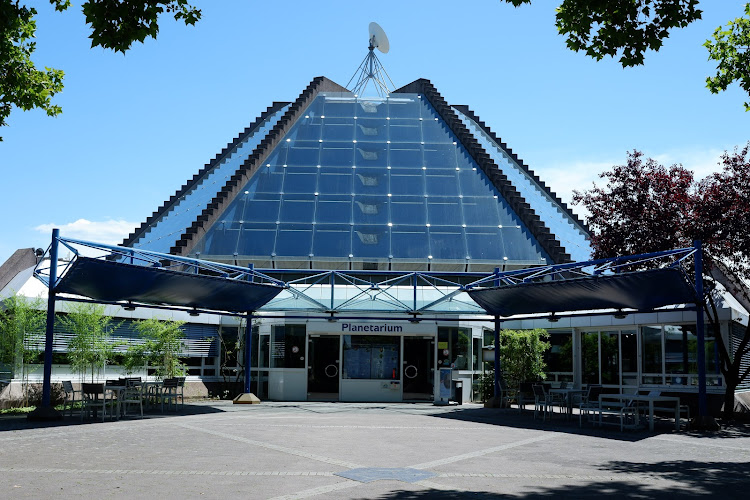
Planetarium Mannheim
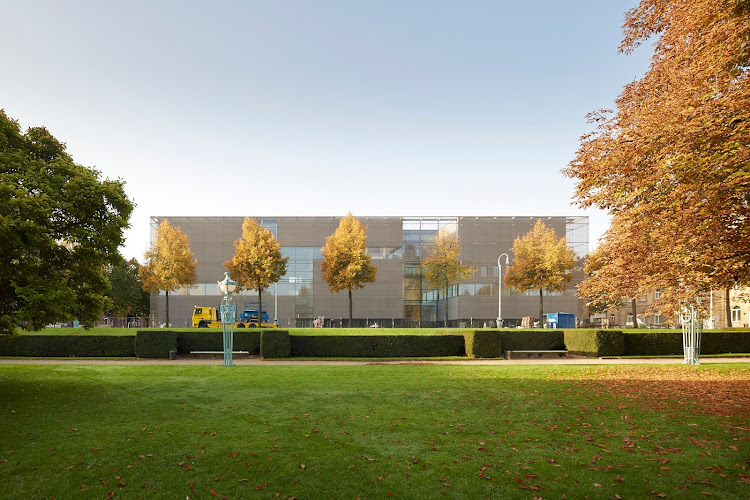
Kunsthalle Mannheim
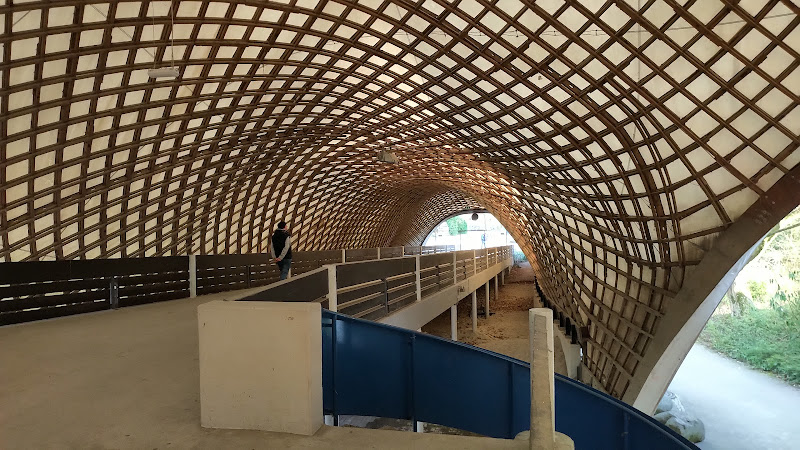
Herzogenried Park
Find Accommodations Nearby
Recommended Tours & Activities
Visitor Reviews
There are no reviews yet. Be the first one to write one.
Share Your Experience
Have you visited Neckarschleuse Feudenheim? Help other travelers by leaving a review.