
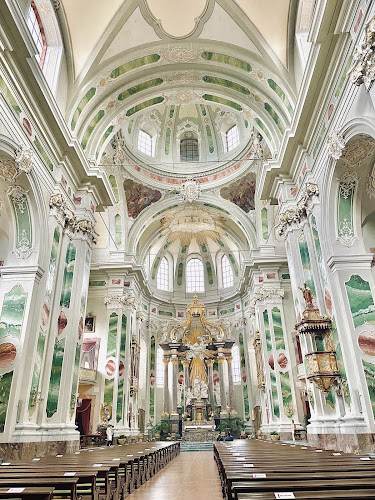
Jesuit Church, Mannheim
About Jesuit Church, Mannheim
Description
The Jesuit Church in Mannheim is one of those places that quietly takes your breath away the moment you step inside. Built in the 18th century, it’s a Baroque masterpiece that feels like a time capsule from another era. The church was designed by Alessandro Galli da Bibiena, an Italian architect who clearly had a flair for drama and detail. Every inch of the place—from the soaring twin bell towers to the lavish marble interior—feels like it was created to impress both heaven and earth.
Walking through its grand doors, you’re immediately met with an explosion of color and texture. Polychrome marble gleams under soft light, and the intricate stucco work seems to dance across the ceiling. I remember standing there for a good ten minutes just staring upward, trying to take in the frescoes that seem to float above you. There’s something about old European churches that always feels humbling, but this one has a certain warmth that makes it less intimidating and more welcoming. Maybe it’s the way the light filters through the windows, or maybe it’s just that unmistakable sense of history that lingers in the air.
What’s interesting is that despite being heavily damaged during World War II, the Jesuit Church was lovingly restored to its original glory. The reconstruction stayed true to the original design, even using salvaged materials where possible. It’s a testament to Mannheim’s deep respect for its heritage. You can still see the blend of old and new—the scars of history mixed with the city’s determination to preserve beauty. And that, honestly, makes it even more special.
While it’s primarily a place of worship, it’s also a space for reflection, art, and community. The church often hosts concerts and cultural events, which adds a lively dimension to its sacred atmosphere. Even if you’re not religious, you’ll likely find yourself moved by the sheer artistry and craftsmanship that went into creating this place. It’s not just a church—it’s a story told in stone, paint, and faith.
Key Features
- Baroque Architecture: Designed by Alessandro Galli da Bibiena, the church showcases classic Baroque style with bold curves, dramatic ornamentation, and a sense of motion that feels almost theatrical.
- Twin Bell Towers: The church’s symmetrical towers dominate Mannheim’s skyline, offering a striking view from many parts of the city.
- Opulent Interior: Inside, visitors find richly decorated altars, gilded details, and marble columns that create a sense of grandeur without feeling overwhelming.
- Historical Significance: Construction began in 1733 and was completed in 1760, making it one of Mannheim’s oldest and most important landmarks.
- Restoration After WWII: The church sustained significant damage during the war but was meticulously rebuilt in its historical style using original materials where possible.
- Artistic Frescoes: The ceiling paintings and sculptures are masterpieces of Baroque religious art, depicting scenes that celebrate faith and devotion.
- Accessibility: The church offers a wheelchair-accessible entrance and an assistive hearing loop, though restrooms are not wheelchair accessible.
- Cultural Role: Beyond worship, the Jesuit Church often serves as a venue for concerts, organ recitals, and community gatherings, blending spirituality with culture.
Best Time to Visit
If you ask me, the best time to visit the Jesuit Church is during the spring or early autumn. The weather in Mannheim is pleasant, and the city feels alive without being too crowded. The light during these seasons is also perfect for photography—soft, golden, and just right for capturing the details of the façade or the shimmer of the marble inside. I once visited in late April, and the air smelled faintly of blooming flowers from the nearby gardens. It added this almost cinematic touch to the whole experience.
That said, visiting during the Christmas season can be magical too. Mannheim’s Christmas market is one of the best in Germany, and the church often hosts Advent concerts that fill the space with music and candlelight. It’s the kind of moment that makes you forget about time for a while. Just be prepared for larger crowds then—people from all over come to soak in that festive atmosphere.
Weekday mornings are usually the quietest if you want to explore without too many people around. The calmness of the space during those hours lets you really absorb the details—the way the marble reflects the sunlight or how the frescoes seem to shift in tone as the light changes.
How to Get There
Getting to the Jesuit Church is straightforward since it’s located right in Mannheim’s city center. If you’re arriving by train, Mannheim Hauptbahnhof (the main station) is just a short tram or bus ride away. You can also walk if you enjoy exploring on foot—it takes about 15 minutes through some of the city’s most interesting streets. I personally love the walk because you get to see the blend of modern city life and historical architecture side by side.
Public transportation in Mannheim is efficient and easy to navigate. Several tram lines stop nearby, and taxis are readily available if you prefer convenience. For those driving, there are parking garages in the area, though finding a spot can be tricky during weekends or special events. If you’re cycling, Mannheim’s bike-friendly layout makes it simple to reach the church while enjoying a bit of fresh air along the way.
Once you’re in the vicinity, the church is hard to miss. Its twin towers rise above the surrounding buildings, almost like they’re guiding you there. And honestly, that first glimpse of the façade—especially when the sun hits the sandstone just right—is unforgettable.
Tips for Visiting
Visiting the Jesuit Church is not just about seeing a building—it’s about experiencing it. Here are a few tips that might make your visit smoother and more memorable:
- Take your time inside. Don’t rush through. Sit for a while, listen to the echo of your footsteps, and let your eyes wander. You’ll notice details you might have missed at first glance.
- Check for concerts or events. The acoustics inside are incredible, and attending a live performance there is something you won’t forget. It’s worth checking the local listings before your trip.
- Dress respectfully. It’s an active place of worship, so modest clothing is appreciated, especially if you’re visiting during a service.
- Photography etiquette. Photos are usually allowed, but avoid flash and be discreet if a service is in progress. The natural light is beautiful enough for great shots anyway.
- Accessibility awareness. The main entrance is wheelchair accessible, and there’s an assistive hearing loop for those who need it. However, restrooms are not wheelchair accessible, so plan accordingly.
- Combine your visit. The church is close to Mannheim’s main squares and shopping areas, so you can easily pair your visit with a stroll through the city or a coffee at a nearby café. That’s what I did, and it turned into one of those unexpectedly perfect afternoons.
- Bring a small donation. While entry is free, donations help with maintenance and restoration. It’s a small gesture that keeps this historic gem shining for future generations.
One last thing—don’t forget to look up. Seriously. The ceiling art is so intricate that you could spend an hour just tracing the scenes with your eyes. And if you’re lucky enough to catch the organist practicing, pause and listen. The sound fills the church like a living heartbeat, echoing through centuries of faith and artistry. It’s one of those rare travel moments that stick with you long after you’ve left.
All in all, the Jesuit Church in Mannheim isn’t just a stop on a sightseeing list—it’s a place that invites you to slow down, breathe, and reconnect with something timeless. Whether you’re an architecture lover, a history buff, or just someone who appreciates beauty, this church will leave an impression that lingers long after you’ve walked out its grand doors.
Key Features
- Key Features
- Best Time to Visit
- How to Get There
- Tips for Visiting
More Details
Updated November 30, 2025
Table of Contents
Description
The Jesuit Church in Mannheim is one of those places that quietly takes your breath away the moment you step inside. Built in the 18th century, it’s a Baroque masterpiece that feels like a time capsule from another era. The church was designed by Alessandro Galli da Bibiena, an Italian architect who clearly had a flair for drama and detail. Every inch of the place—from the soaring twin bell towers to the lavish marble interior—feels like it was created to impress both heaven and earth.
Walking through its grand doors, you’re immediately met with an explosion of color and texture. Polychrome marble gleams under soft light, and the intricate stucco work seems to dance across the ceiling. I remember standing there for a good ten minutes just staring upward, trying to take in the frescoes that seem to float above you. There’s something about old European churches that always feels humbling, but this one has a certain warmth that makes it less intimidating and more welcoming. Maybe it’s the way the light filters through the windows, or maybe it’s just that unmistakable sense of history that lingers in the air.
What’s interesting is that despite being heavily damaged during World War II, the Jesuit Church was lovingly restored to its original glory. The reconstruction stayed true to the original design, even using salvaged materials where possible. It’s a testament to Mannheim’s deep respect for its heritage. You can still see the blend of old and new—the scars of history mixed with the city’s determination to preserve beauty. And that, honestly, makes it even more special.
While it’s primarily a place of worship, it’s also a space for reflection, art, and community. The church often hosts concerts and cultural events, which adds a lively dimension to its sacred atmosphere. Even if you’re not religious, you’ll likely find yourself moved by the sheer artistry and craftsmanship that went into creating this place. It’s not just a church—it’s a story told in stone, paint, and faith.
Key Features
- Baroque Architecture: Designed by Alessandro Galli da Bibiena, the church showcases classic Baroque style with bold curves, dramatic ornamentation, and a sense of motion that feels almost theatrical.
- Twin Bell Towers: The church’s symmetrical towers dominate Mannheim’s skyline, offering a striking view from many parts of the city.
- Opulent Interior: Inside, visitors find richly decorated altars, gilded details, and marble columns that create a sense of grandeur without feeling overwhelming.
- Historical Significance: Construction began in 1733 and was completed in 1760, making it one of Mannheim’s oldest and most important landmarks.
- Restoration After WWII: The church sustained significant damage during the war but was meticulously rebuilt in its historical style using original materials where possible.
- Artistic Frescoes: The ceiling paintings and sculptures are masterpieces of Baroque religious art, depicting scenes that celebrate faith and devotion.
- Accessibility: The church offers a wheelchair-accessible entrance and an assistive hearing loop, though restrooms are not wheelchair accessible.
- Cultural Role: Beyond worship, the Jesuit Church often serves as a venue for concerts, organ recitals, and community gatherings, blending spirituality with culture.
Best Time to Visit
If you ask me, the best time to visit the Jesuit Church is during the spring or early autumn. The weather in Mannheim is pleasant, and the city feels alive without being too crowded. The light during these seasons is also perfect for photography—soft, golden, and just right for capturing the details of the façade or the shimmer of the marble inside. I once visited in late April, and the air smelled faintly of blooming flowers from the nearby gardens. It added this almost cinematic touch to the whole experience.
That said, visiting during the Christmas season can be magical too. Mannheim’s Christmas market is one of the best in Germany, and the church often hosts Advent concerts that fill the space with music and candlelight. It’s the kind of moment that makes you forget about time for a while. Just be prepared for larger crowds then—people from all over come to soak in that festive atmosphere.
Weekday mornings are usually the quietest if you want to explore without too many people around. The calmness of the space during those hours lets you really absorb the details—the way the marble reflects the sunlight or how the frescoes seem to shift in tone as the light changes.
How to Get There
Getting to the Jesuit Church is straightforward since it’s located right in Mannheim’s city center. If you’re arriving by train, Mannheim Hauptbahnhof (the main station) is just a short tram or bus ride away. You can also walk if you enjoy exploring on foot—it takes about 15 minutes through some of the city’s most interesting streets. I personally love the walk because you get to see the blend of modern city life and historical architecture side by side.
Public transportation in Mannheim is efficient and easy to navigate. Several tram lines stop nearby, and taxis are readily available if you prefer convenience. For those driving, there are parking garages in the area, though finding a spot can be tricky during weekends or special events. If you’re cycling, Mannheim’s bike-friendly layout makes it simple to reach the church while enjoying a bit of fresh air along the way.
Once you’re in the vicinity, the church is hard to miss. Its twin towers rise above the surrounding buildings, almost like they’re guiding you there. And honestly, that first glimpse of the façade—especially when the sun hits the sandstone just right—is unforgettable.
Tips for Visiting
Visiting the Jesuit Church is not just about seeing a building—it’s about experiencing it. Here are a few tips that might make your visit smoother and more memorable:
- Take your time inside. Don’t rush through. Sit for a while, listen to the echo of your footsteps, and let your eyes wander. You’ll notice details you might have missed at first glance.
- Check for concerts or events. The acoustics inside are incredible, and attending a live performance there is something you won’t forget. It’s worth checking the local listings before your trip.
- Dress respectfully. It’s an active place of worship, so modest clothing is appreciated, especially if you’re visiting during a service.
- Photography etiquette. Photos are usually allowed, but avoid flash and be discreet if a service is in progress. The natural light is beautiful enough for great shots anyway.
- Accessibility awareness. The main entrance is wheelchair accessible, and there’s an assistive hearing loop for those who need it. However, restrooms are not wheelchair accessible, so plan accordingly.
- Combine your visit. The church is close to Mannheim’s main squares and shopping areas, so you can easily pair your visit with a stroll through the city or a coffee at a nearby café. That’s what I did, and it turned into one of those unexpectedly perfect afternoons.
- Bring a small donation. While entry is free, donations help with maintenance and restoration. It’s a small gesture that keeps this historic gem shining for future generations.
One last thing—don’t forget to look up. Seriously. The ceiling art is so intricate that you could spend an hour just tracing the scenes with your eyes. And if you’re lucky enough to catch the organist practicing, pause and listen. The sound fills the church like a living heartbeat, echoing through centuries of faith and artistry. It’s one of those rare travel moments that stick with you long after you’ve left.
All in all, the Jesuit Church in Mannheim isn’t just a stop on a sightseeing list—it’s a place that invites you to slow down, breathe, and reconnect with something timeless. Whether you’re an architecture lover, a history buff, or just someone who appreciates beauty, this church will leave an impression that lingers long after you’ve walked out its grand doors.
Key Highlights
- Key Features
- Best Time to Visit
- How to Get There
- Tips for Visiting
Location
Places to Stay Near Jesuit Church, Mannheim
Find and Book a Tour
Explore More Travel Guides
No reviews found! Be the first to review!
Traveler Reviews for Jesuit Church, Mannheim
There are no reviews yet. Be the first one to write one.
Have you visited Jesuit Church, Mannheim? Help other travelers by sharing your review.
You Might Also Like
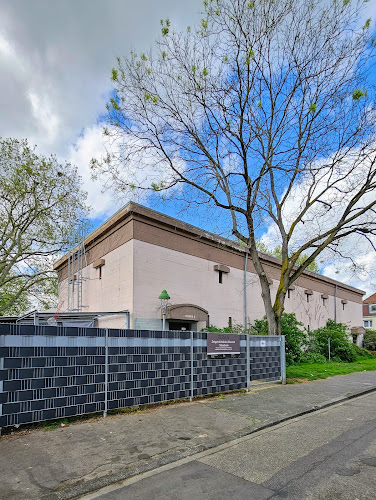
Zeitgeschichtliches Museum Mannheim
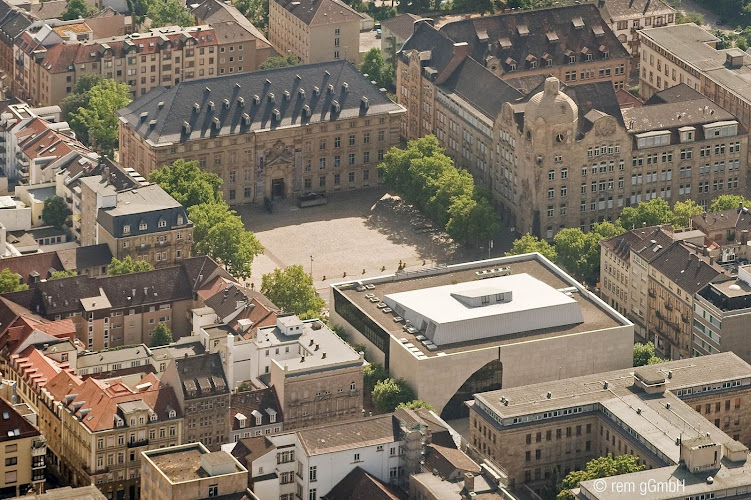
Reiss-Engelhorn-Museen (Museum Zeughaus)
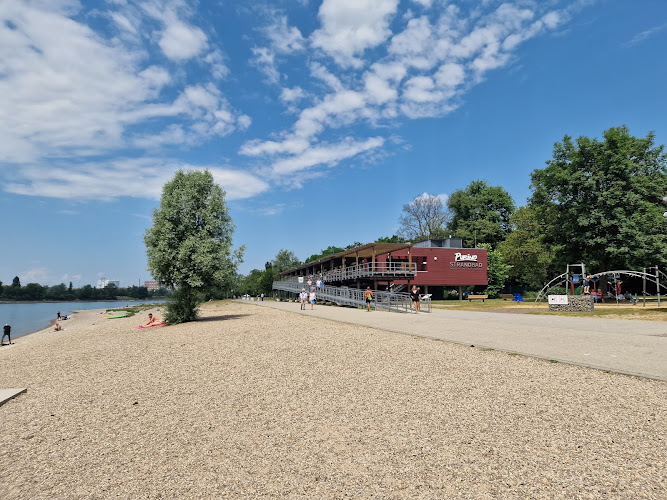
Strandbad Mannheim Neckarau
Find Accommodations Nearby
Recommended Tours & Activities
Visitor Reviews
There are no reviews yet. Be the first one to write one.
Share Your Experience
Have you visited Jesuit Church, Mannheim? Help other travelers by leaving a review.