Reiss-Engelhorn-Museen (Museum Zeughaus)
About Reiss-Engelhorn-Museen (Museum Zeughaus)
Description
The Reiss-Engelhorn-Museen (Museum Zeughaus) sits inside an impressive 18th-century arsenal building in Mannheim and presents a layered story: ancient worlds, sacred art and local history arranged with a museum-lover’s sense of mischief. The complex is one of the better-known parts of the Engelhorn Museen network and often appears on itineraries for travelers exploring museums in Mannheim. Visitors will find well-curated collections of antiquities and artifacts that bridge continents and centuries — from classical archaeology and Egyptian finds to medieval church art and objects that chart the region’s more recent cultural development.
What makes the Museum Zeughaus distinct is the contrast between the building’s historic military architecture and the delicate, often fragile objects inside. High ceilings and stone walls give the galleries a slightly theatrical feel; it’s not a white-box museum, and that texture matters. The layout encourages wandering, with the central exhibition spaces opening into smaller rooms devoted to sacred art, archaeology, and themed temporary exhibitions. There’s an emphasis on research-informed displays, so labels are informative without being snoozy. And yes, the museum has hosted heavyweight temporary shows, sometimes drawing on Egyptian material that fans of King Tut or Nile-era archaeology will notice; those special exhibitions tend to bring a lively crowd.
Travelers who like a mix of museum scholarship and hands-on, travel-friendly interpretation will appreciate the Museum Zeughaus. The collection balances global reach (ancient Mediterranean and Near Eastern artifacts, world cultures objects) with regional storytelling, so it’s possible to shift quickly from thinking about Roman amphorae to the civic history of Mannheim. The museum is family-friendly and explicitly set up to welcome children; some displays are geared to younger visitors with clearer labeling and tactile-friendly zones in certain exhibitions.
Accessibility is another practical strength. The museum offers a wheelchair-accessible entrance, accessible parking and restrooms — details that can often be an afterthought at heritage sites, but here they feel built-in. Practical amenities are modest: there are restrooms on site, and parking is available in paid lots or a garage nearby. There is no on-site restaurant, so plan accordingly, but cafés and eateries are within easy walking distance in central Mannheim. Staff onsite are service-oriented and frequently praised for their helpfulness, though certain temporary exhibits may become crowded during peak times.
For people interested in archaeology, art history or the interplay between local identity and global collections, the Reiss-Engelhorn-Museen (Museum Zeughaus) is a compact yet intriguingly ambitious stop. The exhibitions change enough that repeat visits rarely feel repetitive, and the museum’s programming — lectures, special exhibitions, occasional photography shows — keeps the content feeling contemporary as well as historical. The complex nature of the REM system here means you can pair a visit with other nearby museum venues if you’re the sort who likes to collect museum stamps in a single day.
There’s a small but important reality check: some visitors expect blockbuster-scale amenities or a full-service café and walk away a little disappointed. But for those who come for the objects and for thoughtful context, the museum rewards attention. The atmosphere encourages lingering; take your time with the religious art and the antiquities — there are surprising details, like pigments on a wooden statue or tool marks on a bronze, that don’t hit you until you lean in. The author remembers once spending far longer than intended in a quiet Egyptian case, trying to trace a glyph pattern with a fingertip and feeling oddly connected to a far-off time — that’s the kind of small, unintended delight the museum often produces.
Key Features
- Historic setting: housed in an 18th-century arsenal building with evocative architectural character
- Broad collections: archaeology, antiquities, sacred art and local Mannheim history presented together
- Rotating special exhibitions, including high-profile archaeological displays that sometimes feature Egyptian material related to King Tut-era studies
- Family-friendly programming and exhibits suitable for children
- Onsite services: staffed information desks and accessible onsite services
- Accessibility: wheelchair-accessible entrance, wheelchair-accessible parking and wheelchair-accessible restrooms
- Amenities: public restrooms available; no in-house restaurant (nearby cafés serve lunch and coffee)
- Parking: paid parking garage and paid parking lot options close to the museum
- Research and scholarship: exhibitions grounded in museum research, often with detailed interpretive labels
- Good transport links within Mannheim and easy to combine with other REM venues
Best Time to Visit
The museum is best visited during weekdays outside school holidays if you want quiet galleries and a calm pace. Early afternoons on weekdays tend to be pleasantly uncrowded, giving you room to linger in front of delicate objects. If a major temporary exhibition is running — especially those with international loans or Egyptian material that attracts large crowds — consider early opening hours or the final hour before closing to avoid peak visitor flows.
Seasonally, late spring and early autumn strike a nice balance: Mannheim’s weather is friendly for walking between nearby museums and cafés, and tourist crowds are smaller than midsummer. But if one of the headline exhibitions is on your must-see list, plan ahead regardless of season; those shows can draw large weekend crowds and families. And if the traveler enjoys a quieter museum experience, winter weekdays often provide near-solitude; galleries can feel almost private, which is delightfully atmospheric in an old arsenal building.
How to Get There
The Museum Zeughaus is centrally located in Mannheim, making it reachable by public transport and on foot from many parts of the city. Travelers arriving by train can use Mannheim’s main station and then transfer to local trams or buses; the museum is a short tram ride or a pleasant 15–25 minute walk, depending on pace. For those driving, paid parking is available in a nearby garage and parking lots; meters and garage fees apply, so keep some change or a payment card handy. The museum has a wheelchair-accessible parking lot to ease arrival for visitors with mobility needs.
Many visitors combine a visit with a walking tour of Mannheim’s city center, so expect well-marked pedestrian routes and signage for cultural attractions. Ride-sharing and taxi services are widely available, and the local tram network is reliable for short hops across the city. The museum’s central location also makes it an easy stop on a larger museum day if travelers plan to visit other Engelhorn Museen locations or nearby galleries. If the traveler prefers cycling, Mannheim is fairly bike-friendly and there are secure places to park a bicycle near the museum.
Tips for Visiting
Buy tickets in advance if a special exhibition is on; those shows can sell out or have timed entry. If you’re not sure which exhibitions will be busiest, a quick phone call to the museum’s info desk (or a look at current exhibition posters near the entrance) will save you an unnecessary wait.
Plan for no on-site restaurant. Bring a light snack if you think you’ll need it, or schedule a lunch stop at a nearby café. The author recommends a short pause at a local coffee shop after a heavy dose of antiquities — it helps the brain process a lot of history at once. Also, bring a small notebook or use a notes app: some of the object labels are rich with citations and names that are worth jotting down for later reading.
Families with kids should look for child-friendly labels and programmed activities; the museum tends to run workshops and guided tours that appeal to younger visitors. If you’re traveling with a stroller or wheelchair, the accessible entrance and restrooms are a real plus, but do check in at the desk on arrival for any guidance about elevator access or temporary route changes during large exhibitions.
Wear comfortable shoes. The building’s floors and gallery transitions reward slow walking and close looking; visitors often stand more than they expect. Photography policies can vary between permanent and temporary exhibitions — and some loaned items carry stricter rules — so ask or look for signage before snapping photos. And don’t be shy with questions: curators and attendants are generally happy to point out a detail or explain an object better than a label can.
Finally, give the museum the time it deserves. This isn’t a quick pop-in if you want to get the most out of the collections. Allow at least two hours for a relaxed visit; three hours if a temporary exhibition is running and the traveler likes to read every label. For repeat visitors or those especially interested in archaeology and sacred art, checking the museum’s program for special talks or guided tours adds depth to the experience.
All in all, the Reiss-Engelhorn-Museen (Museum Zeughaus) rewards curiosity. It’s a place to slow down, notice small details, and come away with a richer sense of how ancient objects and local history can illuminate one another. The building itself — an army of stone that now houses objects of world culture — quietly tells its own story, and that juxtaposition is worth savoring.
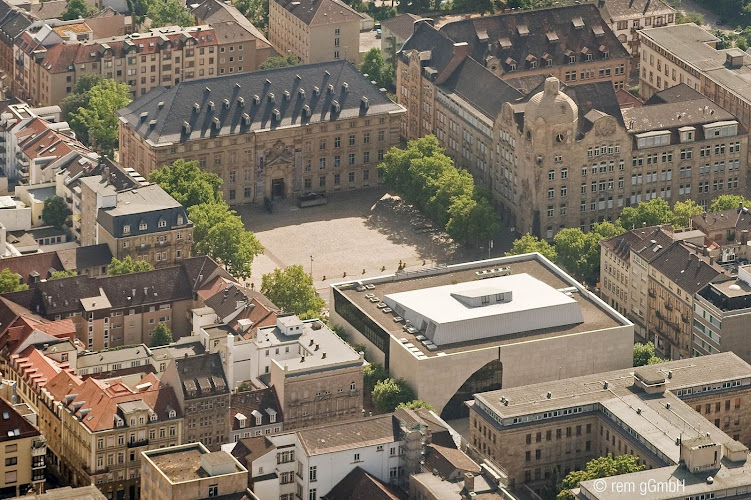
Key Features
- Historic setting: housed in an 18th-century arsenal building with evocative architectural character
- Broad collections: archaeology, antiquities, sacred art and local Mannheim history presented together
- Rotating special exhibitions, including high-profile archaeological displays that sometimes feature Egyptian material related to King Tut-era studies
- Family-friendly programming and exhibits suitable for children
- Onsite services: staffed information desks and accessible onsite services
- Accessibility: wheelchair-accessible entrance, wheelchair-accessible parking and wheelchair-accessible restrooms
- Amenities: public restrooms available; no in-house restaurant (nearby cafés serve lunch and coffee)
- Parking: paid parking garage and paid parking lot options close to the museum
More Details
Updated August 29, 2025
Table of Contents
- Description
- Key Features
- Best Time to Visit
- How to Get There
- Tips for Visiting
- Key Highlights
- Location
- Places to Stay Near Reiss-Engelhorn-Museen (Museum Zeughaus)
- Find and Book a Tour
- Explore More Travel Guides
- Nearby Places You Might Like
- Traveler Reviews for Reiss-Engelhorn-Museen (Museum Zeughaus)
- Share Your Experience
Description
The Reiss-Engelhorn-Museen (Museum Zeughaus) sits inside an impressive 18th-century arsenal building in Mannheim and presents a layered story: ancient worlds, sacred art and local history arranged with a museum-lover’s sense of mischief. The complex is one of the better-known parts of the Engelhorn Museen network and often appears on itineraries for travelers exploring museums in Mannheim. Visitors will find well-curated collections of antiquities and artifacts that bridge continents and centuries — from classical archaeology and Egyptian finds to medieval church art and objects that chart the region’s more recent cultural development.
What makes the Museum Zeughaus distinct is the contrast between the building’s historic military architecture and the delicate, often fragile objects inside. High ceilings and stone walls give the galleries a slightly theatrical feel; it’s not a white-box museum, and that texture matters. The layout encourages wandering, with the central exhibition spaces opening into smaller rooms devoted to sacred art, archaeology, and themed temporary exhibitions. There’s an emphasis on research-informed displays, so labels are informative without being snoozy. And yes, the museum has hosted heavyweight temporary shows, sometimes drawing on Egyptian material that fans of King Tut or Nile-era archaeology will notice; those special exhibitions tend to bring a lively crowd.
Travelers who like a mix of museum scholarship and hands-on, travel-friendly interpretation will appreciate the Museum Zeughaus. The collection balances global reach (ancient Mediterranean and Near Eastern artifacts, world cultures objects) with regional storytelling, so it’s possible to shift quickly from thinking about Roman amphorae to the civic history of Mannheim. The museum is family-friendly and explicitly set up to welcome children; some displays are geared to younger visitors with clearer labeling and tactile-friendly zones in certain exhibitions.
Accessibility is another practical strength. The museum offers a wheelchair-accessible entrance, accessible parking and restrooms — details that can often be an afterthought at heritage sites, but here they feel built-in. Practical amenities are modest: there are restrooms on site, and parking is available in paid lots or a garage nearby. There is no on-site restaurant, so plan accordingly, but cafés and eateries are within easy walking distance in central Mannheim. Staff onsite are service-oriented and frequently praised for their helpfulness, though certain temporary exhibits may become crowded during peak times.
For people interested in archaeology, art history or the interplay between local identity and global collections, the Reiss-Engelhorn-Museen (Museum Zeughaus) is a compact yet intriguingly ambitious stop. The exhibitions change enough that repeat visits rarely feel repetitive, and the museum’s programming — lectures, special exhibitions, occasional photography shows — keeps the content feeling contemporary as well as historical. The complex nature of the REM system here means you can pair a visit with other nearby museum venues if you’re the sort who likes to collect museum stamps in a single day.
There’s a small but important reality check: some visitors expect blockbuster-scale amenities or a full-service café and walk away a little disappointed. But for those who come for the objects and for thoughtful context, the museum rewards attention. The atmosphere encourages lingering; take your time with the religious art and the antiquities — there are surprising details, like pigments on a wooden statue or tool marks on a bronze, that don’t hit you until you lean in. The author remembers once spending far longer than intended in a quiet Egyptian case, trying to trace a glyph pattern with a fingertip and feeling oddly connected to a far-off time — that’s the kind of small, unintended delight the museum often produces.
Key Features
- Historic setting: housed in an 18th-century arsenal building with evocative architectural character
- Broad collections: archaeology, antiquities, sacred art and local Mannheim history presented together
- Rotating special exhibitions, including high-profile archaeological displays that sometimes feature Egyptian material related to King Tut-era studies
- Family-friendly programming and exhibits suitable for children
- Onsite services: staffed information desks and accessible onsite services
- Accessibility: wheelchair-accessible entrance, wheelchair-accessible parking and wheelchair-accessible restrooms
- Amenities: public restrooms available; no in-house restaurant (nearby cafés serve lunch and coffee)
- Parking: paid parking garage and paid parking lot options close to the museum
- Research and scholarship: exhibitions grounded in museum research, often with detailed interpretive labels
- Good transport links within Mannheim and easy to combine with other REM venues
Best Time to Visit
The museum is best visited during weekdays outside school holidays if you want quiet galleries and a calm pace. Early afternoons on weekdays tend to be pleasantly uncrowded, giving you room to linger in front of delicate objects. If a major temporary exhibition is running — especially those with international loans or Egyptian material that attracts large crowds — consider early opening hours or the final hour before closing to avoid peak visitor flows.
Seasonally, late spring and early autumn strike a nice balance: Mannheim’s weather is friendly for walking between nearby museums and cafés, and tourist crowds are smaller than midsummer. But if one of the headline exhibitions is on your must-see list, plan ahead regardless of season; those shows can draw large weekend crowds and families. And if the traveler enjoys a quieter museum experience, winter weekdays often provide near-solitude; galleries can feel almost private, which is delightfully atmospheric in an old arsenal building.
How to Get There
The Museum Zeughaus is centrally located in Mannheim, making it reachable by public transport and on foot from many parts of the city. Travelers arriving by train can use Mannheim’s main station and then transfer to local trams or buses; the museum is a short tram ride or a pleasant 15–25 minute walk, depending on pace. For those driving, paid parking is available in a nearby garage and parking lots; meters and garage fees apply, so keep some change or a payment card handy. The museum has a wheelchair-accessible parking lot to ease arrival for visitors with mobility needs.
Many visitors combine a visit with a walking tour of Mannheim’s city center, so expect well-marked pedestrian routes and signage for cultural attractions. Ride-sharing and taxi services are widely available, and the local tram network is reliable for short hops across the city. The museum’s central location also makes it an easy stop on a larger museum day if travelers plan to visit other Engelhorn Museen locations or nearby galleries. If the traveler prefers cycling, Mannheim is fairly bike-friendly and there are secure places to park a bicycle near the museum.
Tips for Visiting
Buy tickets in advance if a special exhibition is on; those shows can sell out or have timed entry. If you’re not sure which exhibitions will be busiest, a quick phone call to the museum’s info desk (or a look at current exhibition posters near the entrance) will save you an unnecessary wait.
Plan for no on-site restaurant. Bring a light snack if you think you’ll need it, or schedule a lunch stop at a nearby café. The author recommends a short pause at a local coffee shop after a heavy dose of antiquities — it helps the brain process a lot of history at once. Also, bring a small notebook or use a notes app: some of the object labels are rich with citations and names that are worth jotting down for later reading.
Families with kids should look for child-friendly labels and programmed activities; the museum tends to run workshops and guided tours that appeal to younger visitors. If you’re traveling with a stroller or wheelchair, the accessible entrance and restrooms are a real plus, but do check in at the desk on arrival for any guidance about elevator access or temporary route changes during large exhibitions.
Wear comfortable shoes. The building’s floors and gallery transitions reward slow walking and close looking; visitors often stand more than they expect. Photography policies can vary between permanent and temporary exhibitions — and some loaned items carry stricter rules — so ask or look for signage before snapping photos. And don’t be shy with questions: curators and attendants are generally happy to point out a detail or explain an object better than a label can.
Finally, give the museum the time it deserves. This isn’t a quick pop-in if you want to get the most out of the collections. Allow at least two hours for a relaxed visit; three hours if a temporary exhibition is running and the traveler likes to read every label. For repeat visitors or those especially interested in archaeology and sacred art, checking the museum’s program for special talks or guided tours adds depth to the experience.
All in all, the Reiss-Engelhorn-Museen (Museum Zeughaus) rewards curiosity. It’s a place to slow down, notice small details, and come away with a richer sense of how ancient objects and local history can illuminate one another. The building itself — an army of stone that now houses objects of world culture — quietly tells its own story, and that juxtaposition is worth savoring.

Key Highlights
- Historic setting: housed in an 18th-century arsenal building with evocative architectural character
- Broad collections: archaeology, antiquities, sacred art and local Mannheim history presented together
- Rotating special exhibitions, including high-profile archaeological displays that sometimes feature Egyptian material related to King Tut-era studies
- Family-friendly programming and exhibits suitable for children
- Onsite services: staffed information desks and accessible onsite services
- Accessibility: wheelchair-accessible entrance, wheelchair-accessible parking and wheelchair-accessible restrooms
- Amenities: public restrooms available; no in-house restaurant (nearby cafés serve lunch and coffee)
- Parking: paid parking garage and paid parking lot options close to the museum
Location
Places to Stay Near Reiss-Engelhorn-Museen (Museum Zeughaus)
Find and Book a Tour
Explore More Travel Guides
No reviews found! Be the first to review!
Traveler Reviews for Reiss-Engelhorn-Museen (Museum Zeughaus)
There are no reviews yet. Be the first one to write one.
Have you visited Reiss-Engelhorn-Museen (Museum Zeughaus)? Help other travelers by sharing your review.
Find Accommodations Nearby
Recommended Tours & Activities
Visitor Reviews
There are no reviews yet. Be the first one to write one.
Share Your Experience
Have you visited Reiss-Engelhorn-Museen (Museum Zeughaus)? Help other travelers by leaving a review.