
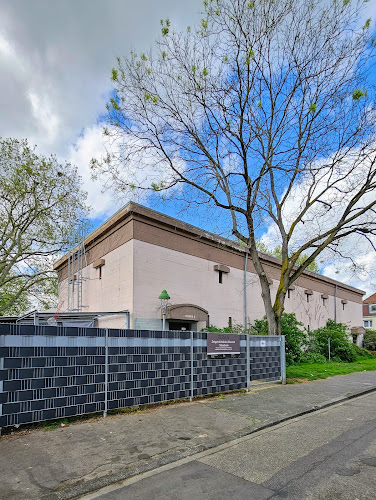
Zeitgeschichtliches Museum Mannheim
About Zeitgeschichtliches Museum Mannheim
Description
The Zeitgeschichtliches Museum Mannheim sits as a focused, thoughtful repository of 20th-century life and conflict in Mannheim and the wider region of Germany. Rather than offering a scattershot collection, the museum concentrates on the social, political and technological threads that shaped daily life across turbulent decades. Exhibits move beyond big names and dates to show how ordinary people lived, coped, and rebuilt — and that perspective is what often surprises visitors who expect only uniforms, weapons and dry timelines.
The museum keeps a careful rhythm: it is reliably open on the first and third Sunday of every month, and guided tours can be arranged at other times by appointment. That scheduling quirk is part of its charm — it feels like a dedicated community institution more than a tourist machine. Inside, displays combine artifacts, photographs, recorded testimony and well-labelled documents. Some rooms feel intimate (a kitchen furnished like the 1950s), others are more documentary in tone (maps, timelines, and explanations that trace the arc from wartime damage to postwar recovery).
The curatorial voice is practical and occasionally personal. The layout encourages a slow look: visitors can follow a chronological thread or jump between themes such as industry, everyday life, and the experience of displacement. There are exhibits touching on world wars and Cold War tensions, yet the museum never treats history as mere spectacle. Instead, it invites reflection: how did the city respond to aerial bombing, how were families rehoused, what role did local industries play in reconstruction? Those are the questions the displays pursue.
The building itself is unostentatious, which suits the subject matter. There are clear signs, a small shop area with specialized publications, and restrooms on site. There is no on-site restaurant, so visitors should plan to eat nearby. Free street parking is available close by, though like most urban areas, it fills up on weekends and during events.
One of the less obvious but appreciated features is the flexibility around guided tours. The museum offers guided experiences that are richer than the wall labels alone — they bring local knowledge, anecdotes, and context that help historical fragments cohere. For travelers who enjoy a deeper cut into local history, booking a guided tour is worth the extra effort. And yes, the museum team can accommodate groups outside regular opening hours if arranged in advance, which is handy for a school group, a history club, or a traveler with a tightly packed itinerary.
It should be said plainly: the museum is compact. It does not overwhelm with endless halls. That is a strength for many visitors — an hour or two can deliver a thorough, meaningful visit. For those looking for sprawling collections of technology or industrial machinery, the nearby Technoseum provides a different, larger-scale technological history. But for social history and contemporary memory in Mannheim, the Zeitgeschichtliches Museum delivers clarity, sensitivity, and thoughtful curation.
Key Features
- Focused exhibitions on 20th-century social and political history in Mannheim and the region
- Chronological and thematic displays combining artifacts, photographs, documents and oral histories
- Guided tours available by arrangement beyond regular opening days
- Regular public opening on the first and third Sunday of each month
- Compact, walkable layout — ideal for a 60 to 120 minute visit
- Restroom facilities available on site
- No on-site restaurant — nearby cafes serve visitors well
- Free street parking in the vicinity, though availability varies
- Particularly informative for visitors interested in postwar reconstruction, everyday life, and local responses to the world wars
Best Time to Visit
The museum works well as a mid-morning or early-afternoon stop. Visiting on one of the regularly scheduled Sundays (first and third of the month) ensures the museum is open without special arrangements, and those days often attract a mix of locals and travelers, which makes for a livelier atmosphere. Weekdays can be quieter — ideal for contemplative visitors who prefer fewer people around and who might book a short guided tour or private viewing.
Spring and autumn are especially pleasant for combining the museum with a walk around Mannheim neighborhoods. Summers draw more tourists to the city, so midweek visits then might be calmer. Winters can be a good choice if indoor, thoughtful history is a priority — fewer crowds mean more time to linger with audio recordings or detailed label text.
For planners who want the richer experience, booking a guided tour ahead of time is recommended. These tours are often scheduled around group needs, and they can transform a modest visit into a substantial learning experience. It’s also worth checking the museum’s calendar before arrival: special temporary exhibitions or talks will change the rhythm and can add unique perspectives that are rarely on show elsewhere.
How to Get There
Visitors coming from central Mannheim can reach the museum easily by tram, bus, or car. Public transport in the city is efficient; trams and buses connect most neighborhoods to central transit hubs. Travelers who like to wander will find that the museum sits within a neighborhood that rewards a bit of exploration — small streets, local bakeries, and historical markers invite a stroll before or after the visit.
For drivers, free street parking exists nearby, but don’t assume spaces will be waiting right outside during busy times. It’s smart to allow an extra ten to twenty minutes to find parking, especially on event days. The neighborhood is pedestrian-friendly, so parking a short walk away is often the easiest option.
Those arriving from farther afield — say, other German cities — can travel to Mannheim by train and then use local transport or a taxi for the last leg. Mannheim’s train station is a regional hub, and many national connections arrive there. From the station, a tram or bus ride plus a brief walk is usually all that’s required. Travelers who combine the museum with visits to the technik-focused Technoseum or the city center will find that public transport and short taxi rides knit a compact and efficient day out.
Tips for Visiting
Plan for a 60 to 120 minute visit. The museum’s compact size is a gift: it means visitors can go deep without feeling overwhelmed. The writer once spent two hours in a single exhibit space, listening to recorded interviews and reading local newspaper clippings — and still left wanting to come back. So bring curiosity more than an appetite for museums that span acres.
Book a guided tour if possible. The museum’s staff or volunteers often offer guided tours that contextualize objects and reveal local anecdotes not found on the labels. For travelers who value storytelling and nuance, these tours can be the highlight of the visit. They can also be arranged at times outside regular openings, which is handy for groups or tight itineraries.
Expect simple facilities. There are restrooms, but no full-service café or restaurant inside. The surrounding streets, however, have pleasant cafés and bakeries where a traveler can recover with coffee and cake after a heavy exhibit. Pack water and a light snack if planning a long afternoon of museum-hopping.
Photography policies vary by exhibit. Many displays allow non-flash photography for personal use, but the museum occasionally restricts photography for sensitive materials or special exhibits. Visitors who love to document everything should double-check at reception to avoid awkward moments.
Bring a map and local context. Even though the museum does a fine job explaining exhibits, having a general map of Mannheim or a quick read about postwar German history helps anchor specific local stories within bigger narratives. The museum’s curated publications and the small shop offer excellent reading material if someone prefers to buy context rather than carry it in advance.
Combine visits for a fuller day. The Zeitgeschichtliches Museum Mannheim pairs well with the nearby Technoseum for a complementary pair: one leans into social and political memory, the other into technological and industrial histories. Together they create a deeper sense of how Mannheim worked, rebuilt, and modernized across the 20th century.
Allow time for reflection. Some exhibits deal with displacement, destruction, and loss. The mood can be contemplative. That’s deliberate. The museum is not trying to shock; it’s trying to bridge memory and understanding. Visitors who give themselves a moment to sit with a testimony recording or a faded photograph often find the most lasting impressions.
Finally, be a thoughtful visitor. The museum’s scale and subject matter invite respectful attention. Touch only where signs permit, keep voices moderate, and consider supporting the institution if the experience was meaningful. Small museums thrive on local engagement and modest donations, and often depend on volunteer time and careful stewardship.
In short, the Zeitgeschichtliches Museum Mannheim is a concentrated, human-scale place of learning. It rewards slow attention, interests those curious about how history shaped daily life, and pairs easily with other Mannheim attractions for a thoughtful, well-rounded day. Visitors who arrive ready to listen, ask questions, and linger will leave with a clearer sense of the city’s past and the everyday realities of people who lived through extraordinary times.
Key Features
- Exhibition housed inside an original WWII air-raid bunker
- Comprehensive timeline from early aviation and WWI to post-1945 Mannheim
- Displays on US Army Mannheim Garrison and Bundeswehr presence (1945–2015)
- Personal stories, photographs and everyday objects alongside military artifacts
- Guided tours and detailed, locally focused interpretation
More Details
Updated August 29, 2025
Table of Contents
- Description
- Key Features
- Best Time to Visit
- How to Get There
- Tips for Visiting
- Key Highlights
- Location
- Places to Stay Near Zeitgeschichtliches Museum Mannheim
- Find and Book a Tour
- Explore More Travel Guides
- Nearby Places You Might Like
- Traveler Reviews for Zeitgeschichtliches Museum Mannheim
- Share Your Experience
Description
The Zeitgeschichtliches Museum Mannheim sits as a focused, thoughtful repository of 20th-century life and conflict in Mannheim and the wider region of Germany. Rather than offering a scattershot collection, the museum concentrates on the social, political and technological threads that shaped daily life across turbulent decades. Exhibits move beyond big names and dates to show how ordinary people lived, coped, and rebuilt — and that perspective is what often surprises visitors who expect only uniforms, weapons and dry timelines.
The museum keeps a careful rhythm: it is reliably open on the first and third Sunday of every month, and guided tours can be arranged at other times by appointment. That scheduling quirk is part of its charm — it feels like a dedicated community institution more than a tourist machine. Inside, displays combine artifacts, photographs, recorded testimony and well-labelled documents. Some rooms feel intimate (a kitchen furnished like the 1950s), others are more documentary in tone (maps, timelines, and explanations that trace the arc from wartime damage to postwar recovery).
The curatorial voice is practical and occasionally personal. The layout encourages a slow look: visitors can follow a chronological thread or jump between themes such as industry, everyday life, and the experience of displacement. There are exhibits touching on world wars and Cold War tensions, yet the museum never treats history as mere spectacle. Instead, it invites reflection: how did the city respond to aerial bombing, how were families rehoused, what role did local industries play in reconstruction? Those are the questions the displays pursue.
The building itself is unostentatious, which suits the subject matter. There are clear signs, a small shop area with specialized publications, and restrooms on site. There is no on-site restaurant, so visitors should plan to eat nearby. Free street parking is available close by, though like most urban areas, it fills up on weekends and during events.
One of the less obvious but appreciated features is the flexibility around guided tours. The museum offers guided experiences that are richer than the wall labels alone — they bring local knowledge, anecdotes, and context that help historical fragments cohere. For travelers who enjoy a deeper cut into local history, booking a guided tour is worth the extra effort. And yes, the museum team can accommodate groups outside regular opening hours if arranged in advance, which is handy for a school group, a history club, or a traveler with a tightly packed itinerary.
It should be said plainly: the museum is compact. It does not overwhelm with endless halls. That is a strength for many visitors — an hour or two can deliver a thorough, meaningful visit. For those looking for sprawling collections of technology or industrial machinery, the nearby Technoseum provides a different, larger-scale technological history. But for social history and contemporary memory in Mannheim, the Zeitgeschichtliches Museum delivers clarity, sensitivity, and thoughtful curation.
Key Features
- Focused exhibitions on 20th-century social and political history in Mannheim and the region
- Chronological and thematic displays combining artifacts, photographs, documents and oral histories
- Guided tours available by arrangement beyond regular opening days
- Regular public opening on the first and third Sunday of each month
- Compact, walkable layout — ideal for a 60 to 120 minute visit
- Restroom facilities available on site
- No on-site restaurant — nearby cafes serve visitors well
- Free street parking in the vicinity, though availability varies
- Particularly informative for visitors interested in postwar reconstruction, everyday life, and local responses to the world wars
Best Time to Visit
The museum works well as a mid-morning or early-afternoon stop. Visiting on one of the regularly scheduled Sundays (first and third of the month) ensures the museum is open without special arrangements, and those days often attract a mix of locals and travelers, which makes for a livelier atmosphere. Weekdays can be quieter — ideal for contemplative visitors who prefer fewer people around and who might book a short guided tour or private viewing.
Spring and autumn are especially pleasant for combining the museum with a walk around Mannheim neighborhoods. Summers draw more tourists to the city, so midweek visits then might be calmer. Winters can be a good choice if indoor, thoughtful history is a priority — fewer crowds mean more time to linger with audio recordings or detailed label text.
For planners who want the richer experience, booking a guided tour ahead of time is recommended. These tours are often scheduled around group needs, and they can transform a modest visit into a substantial learning experience. It’s also worth checking the museum’s calendar before arrival: special temporary exhibitions or talks will change the rhythm and can add unique perspectives that are rarely on show elsewhere.
How to Get There
Visitors coming from central Mannheim can reach the museum easily by tram, bus, or car. Public transport in the city is efficient; trams and buses connect most neighborhoods to central transit hubs. Travelers who like to wander will find that the museum sits within a neighborhood that rewards a bit of exploration — small streets, local bakeries, and historical markers invite a stroll before or after the visit.
For drivers, free street parking exists nearby, but don’t assume spaces will be waiting right outside during busy times. It’s smart to allow an extra ten to twenty minutes to find parking, especially on event days. The neighborhood is pedestrian-friendly, so parking a short walk away is often the easiest option.
Those arriving from farther afield — say, other German cities — can travel to Mannheim by train and then use local transport or a taxi for the last leg. Mannheim’s train station is a regional hub, and many national connections arrive there. From the station, a tram or bus ride plus a brief walk is usually all that’s required. Travelers who combine the museum with visits to the technik-focused Technoseum or the city center will find that public transport and short taxi rides knit a compact and efficient day out.
Tips for Visiting
Plan for a 60 to 120 minute visit. The museum’s compact size is a gift: it means visitors can go deep without feeling overwhelmed. The writer once spent two hours in a single exhibit space, listening to recorded interviews and reading local newspaper clippings — and still left wanting to come back. So bring curiosity more than an appetite for museums that span acres.
Book a guided tour if possible. The museum’s staff or volunteers often offer guided tours that contextualize objects and reveal local anecdotes not found on the labels. For travelers who value storytelling and nuance, these tours can be the highlight of the visit. They can also be arranged at times outside regular openings, which is handy for groups or tight itineraries.
Expect simple facilities. There are restrooms, but no full-service café or restaurant inside. The surrounding streets, however, have pleasant cafés and bakeries where a traveler can recover with coffee and cake after a heavy exhibit. Pack water and a light snack if planning a long afternoon of museum-hopping.
Photography policies vary by exhibit. Many displays allow non-flash photography for personal use, but the museum occasionally restricts photography for sensitive materials or special exhibits. Visitors who love to document everything should double-check at reception to avoid awkward moments.
Bring a map and local context. Even though the museum does a fine job explaining exhibits, having a general map of Mannheim or a quick read about postwar German history helps anchor specific local stories within bigger narratives. The museum’s curated publications and the small shop offer excellent reading material if someone prefers to buy context rather than carry it in advance.
Combine visits for a fuller day. The Zeitgeschichtliches Museum Mannheim pairs well with the nearby Technoseum for a complementary pair: one leans into social and political memory, the other into technological and industrial histories. Together they create a deeper sense of how Mannheim worked, rebuilt, and modernized across the 20th century.
Allow time for reflection. Some exhibits deal with displacement, destruction, and loss. The mood can be contemplative. That’s deliberate. The museum is not trying to shock; it’s trying to bridge memory and understanding. Visitors who give themselves a moment to sit with a testimony recording or a faded photograph often find the most lasting impressions.
Finally, be a thoughtful visitor. The museum’s scale and subject matter invite respectful attention. Touch only where signs permit, keep voices moderate, and consider supporting the institution if the experience was meaningful. Small museums thrive on local engagement and modest donations, and often depend on volunteer time and careful stewardship.
In short, the Zeitgeschichtliches Museum Mannheim is a concentrated, human-scale place of learning. It rewards slow attention, interests those curious about how history shaped daily life, and pairs easily with other Mannheim attractions for a thoughtful, well-rounded day. Visitors who arrive ready to listen, ask questions, and linger will leave with a clearer sense of the city’s past and the everyday realities of people who lived through extraordinary times.
Key Highlights
- Exhibition housed inside an original WWII air-raid bunker
- Comprehensive timeline from early aviation and WWI to post-1945 Mannheim
- Displays on US Army Mannheim Garrison and Bundeswehr presence (1945–2015)
- Personal stories, photographs and everyday objects alongside military artifacts
- Guided tours and detailed, locally focused interpretation
Location
Places to Stay Near Zeitgeschichtliches Museum Mannheim
Find and Book a Tour
Explore More Travel Guides
No reviews found! Be the first to review!
Traveler Reviews for Zeitgeschichtliches Museum Mannheim
There are no reviews yet. Be the first one to write one.
Have you visited Zeitgeschichtliches Museum Mannheim? Help other travelers by sharing your review.
Nearby Attractions
You Might Also Like
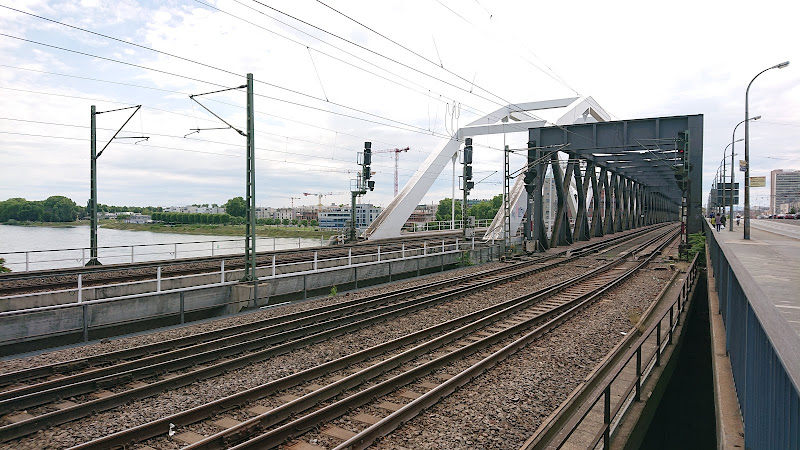
Konrad Adenauer Bridge
Innenstadt/Jungbusch
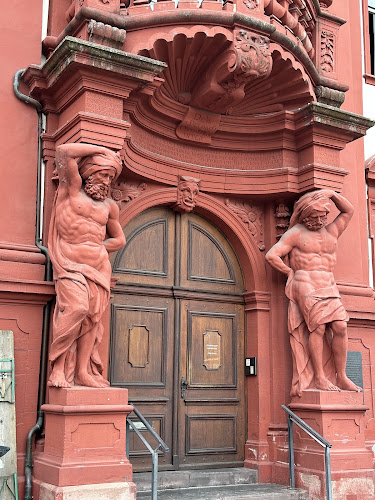
Altes Rathaus
Find Accommodations Nearby
Recommended Tours & Activities
Visitor Reviews
There are no reviews yet. Be the first one to write one.
Share Your Experience
Have you visited Zeitgeschichtliches Museum Mannheim? Help other travelers by leaving a review.