
Kunsthalle Mannheim
About Kunsthalle Mannheim
Description
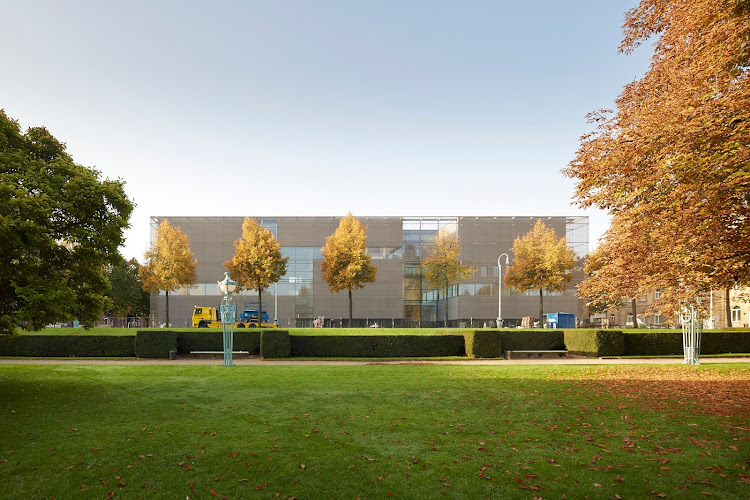
The Kunsthalle Mannheim stands as one of Germany’s most fascinating art museums, a place where modern architecture meets over a century of artistic history. Originally built in 1907 and officially established in 1909, this museum has seen the tides of art movements come and go — from Romanticism and Realism to Impressionism and the avant-garde of the 20th century. The building itself, now beautifully updated, blends classic design with sleek modern extensions, creating a space that feels both timeless and refreshingly contemporary. It’s not just a museum; it’s an experience that pulls you into the dialogue between old and new, tradition and innovation.
Walking through its halls, visitors can expect to encounter works that challenge the senses and spark conversation. The museum’s permanent collection includes over 2,000 paintings, 300 sculptures, and tens of thousands of drawings and prints. You’ll find pieces by European masters alongside bold modern and contemporary installations. And honestly, it’s the kind of place where you can lose track of time — one moment you’re admiring a 19th-century landscape, and the next, you’re standing in front of a thought-provoking conceptual installation that makes you question everything you thought you knew about art.
What makes the Kunsthalle Mannheim stand out isn’t just the art on the walls. It’s the atmosphere. There’s something about the way the light filters through the glass atrium, the gentle hum of visitors’ footsteps on the polished floors, and the occasional laughter from a guided tour group that makes it feel alive. It’s formal, yes, but never intimidating. Even if you’re not an art aficionado, you’ll find yourself drawn in by the energy of the place. And that’s the magic of it — it’s approachable, engaging, and surprisingly personal.
Key Features
- Diverse Collection: Over 2,000 paintings, 300 sculptures, and 30,000 works on paper spanning the 19th and 20th centuries.
- Modern Architecture: A stunning mix of historic and contemporary design, with airy exhibition halls and natural light.
- Live Performances: Regular performances and interactive art events that bring the museum’s spaces to life.
- Accessibility: Fully wheelchair accessible, including entrances, restrooms, and parking areas.
- Family-Friendly: Welcoming to children and families, with educational programs and creative workshops.
- Inclusive Environment: LGBTQ+ friendly and recognized as a safe space for all visitors.
- Amenities: On-site restaurant and restrooms for comfort and convenience during your visit.
One of the things that always strikes visitors is how thoughtfully the museum is curated. Every room feels intentional — you can sense the care behind the placement of each piece. And if you’re like me, you’ll probably end up taking way too many photos of the building itself. The architecture is as photogenic as the art inside.
Best Time to Visit
If you’re planning a trip to Mannheim, timing your visit to the Kunsthalle can make a big difference. Weekdays, especially in the mornings, tend to be quieter, giving you space to move at your own pace and soak in the details without the crowds. I once visited on a Tuesday morning in late spring — the museum was peaceful, sunlight was streaming through the glass facade, and it felt almost meditative.
On weekends, the museum can get busier, especially during special exhibitions or when local families come by for cultural outings. That said, the lively buzz can be part of the charm. If you enjoy people-watching or want to feel the pulse of Mannheim’s art-loving community, Saturday afternoons are perfect. For those who love photography, late afternoon visits are ideal — the lighting in the galleries during golden hour is simply beautiful.
Seasonally, autumn and spring are particularly pleasant times to visit. The weather in Mannheim is mild, and the surrounding Friedrichsplatz area looks lovely with changing leaves or blooming flowers. Plus, the museum often aligns its major exhibitions with these periods, making it a great time to catch something special.
How to Get There
Reaching the Kunsthalle Mannheim is quite straightforward. The museum sits in the heart of the city, easily accessible by public transport. Mannheim’s main train station is just a short walk away, and several tram lines stop nearby. If you’re staying in the city center, you can even make it part of a leisurely stroll through Mannheim’s grid-like streets — which, by the way, are a bit of a curiosity themselves, since the city’s layout is famously modeled after a chessboard.
For those driving, there’s convenient parking close to the museum, including accessible options for visitors with mobility needs. I’d personally recommend using public transport though; Mannheim’s system is efficient, and you’ll save yourself the hassle of finding parking, especially on weekends. Plus, walking up to the museum from the station gives you a slow reveal of its impressive facade — a sight worth savoring.
If you’re coming from nearby cities like Heidelberg or Frankfurt, day trips are easy. Trains between these cities and Mannheim run frequently, and the journey is short. It’s one of those perfect cultural detours that doesn’t require much planning but leaves a lasting impression.
Tips for Visiting
Here’s where a little insider knowledge goes a long way. First off, plan at least two to three hours if you want to see the main collections without rushing. The museum’s layout is spacious, and it’s easy to get lost in thought (or in the labyrinth of galleries). Bring comfortable shoes — trust me, your feet will thank you.
If you’re a student, don’t forget your student ID. There’s a discounted annual ticket available, which is a nice perk if you’re planning multiple visits or staying in Mannheim for a while. And if you’re using Germany’s Culture Pass, you can apply your budget toward admission. It’s a small detail, but one that makes art more accessible, and that’s something I really admire about this place.
Another tip: check the museum’s schedule before you go. The Kunsthalle often hosts temporary exhibitions, artist talks, and live performances that add an entirely new dimension to the experience. I once stumbled upon a live sound installation that transformed one of the halls into a surreal, echoing dreamscape — it was unforgettable. You never quite know what you’ll find here, which is part of the appeal.
If you’re traveling with kids, the museum is surprisingly accommodating. There are interactive programs and creative spaces designed to engage younger visitors. And for anyone needing a break, the on-site restaurant offers a cozy spot to recharge with a coffee or a light meal. I’m partial to grabbing a cappuccino, sitting by the window, and watching the world go by before heading back in for another round of art.
Lastly, don’t rush your visit. The Kunsthalle Mannheim rewards slow exploration. Take your time to read the descriptions, notice the textures, and let your mind wander. Art museums aren’t about checking boxes — they’re about feeling something, even if it’s just a flicker of curiosity or nostalgia. And this one, with its blend of history, innovation, and humanity, has a way of leaving you with a quiet sense of awe long after you’ve stepped back outside.
In short, the Kunsthalle Mannheim isn’t just a stop on a travel itinerary. It’s a place that invites reflection, conversation, and maybe even a little inspiration. Whether you’re an art lover or just someone who appreciates beautiful spaces, it’s well worth your time. And who knows — you might walk out seeing the world a little differently than when you walked in.
Key Features
- Key Features
- Best Time to Visit
- How to Get There
- Tips for Visiting
More Details
Updated November 30, 2025
Table of Contents
Description
The Kunsthalle Mannheim stands as one of Germany’s most fascinating art museums, a place where modern architecture meets over a century of artistic history. Originally built in 1907 and officially established in 1909, this museum has seen the tides of art movements come and go — from Romanticism and Realism to Impressionism and the avant-garde of the 20th century. The building itself, now beautifully updated, blends classic design with sleek modern extensions, creating a space that feels both timeless and refreshingly contemporary. It’s not just a museum; it’s an experience that pulls you into the dialogue between old and new, tradition and innovation.
Walking through its halls, visitors can expect to encounter works that challenge the senses and spark conversation. The museum’s permanent collection includes over 2,000 paintings, 300 sculptures, and tens of thousands of drawings and prints. You’ll find pieces by European masters alongside bold modern and contemporary installations. And honestly, it’s the kind of place where you can lose track of time — one moment you’re admiring a 19th-century landscape, and the next, you’re standing in front of a thought-provoking conceptual installation that makes you question everything you thought you knew about art.
What makes the Kunsthalle Mannheim stand out isn’t just the art on the walls. It’s the atmosphere. There’s something about the way the light filters through the glass atrium, the gentle hum of visitors’ footsteps on the polished floors, and the occasional laughter from a guided tour group that makes it feel alive. It’s formal, yes, but never intimidating. Even if you’re not an art aficionado, you’ll find yourself drawn in by the energy of the place. And that’s the magic of it — it’s approachable, engaging, and surprisingly personal.
Key Features
- Diverse Collection: Over 2,000 paintings, 300 sculptures, and 30,000 works on paper spanning the 19th and 20th centuries.
- Modern Architecture: A stunning mix of historic and contemporary design, with airy exhibition halls and natural light.
- Live Performances: Regular performances and interactive art events that bring the museum’s spaces to life.
- Accessibility: Fully wheelchair accessible, including entrances, restrooms, and parking areas.
- Family-Friendly: Welcoming to children and families, with educational programs and creative workshops.
- Inclusive Environment: LGBTQ+ friendly and recognized as a safe space for all visitors.
- Amenities: On-site restaurant and restrooms for comfort and convenience during your visit.
One of the things that always strikes visitors is how thoughtfully the museum is curated. Every room feels intentional — you can sense the care behind the placement of each piece. And if you’re like me, you’ll probably end up taking way too many photos of the building itself. The architecture is as photogenic as the art inside.
Best Time to Visit
If you’re planning a trip to Mannheim, timing your visit to the Kunsthalle can make a big difference. Weekdays, especially in the mornings, tend to be quieter, giving you space to move at your own pace and soak in the details without the crowds. I once visited on a Tuesday morning in late spring — the museum was peaceful, sunlight was streaming through the glass facade, and it felt almost meditative.
On weekends, the museum can get busier, especially during special exhibitions or when local families come by for cultural outings. That said, the lively buzz can be part of the charm. If you enjoy people-watching or want to feel the pulse of Mannheim’s art-loving community, Saturday afternoons are perfect. For those who love photography, late afternoon visits are ideal — the lighting in the galleries during golden hour is simply beautiful.
Seasonally, autumn and spring are particularly pleasant times to visit. The weather in Mannheim is mild, and the surrounding Friedrichsplatz area looks lovely with changing leaves or blooming flowers. Plus, the museum often aligns its major exhibitions with these periods, making it a great time to catch something special.
How to Get There
Reaching the Kunsthalle Mannheim is quite straightforward. The museum sits in the heart of the city, easily accessible by public transport. Mannheim’s main train station is just a short walk away, and several tram lines stop nearby. If you’re staying in the city center, you can even make it part of a leisurely stroll through Mannheim’s grid-like streets — which, by the way, are a bit of a curiosity themselves, since the city’s layout is famously modeled after a chessboard.
For those driving, there’s convenient parking close to the museum, including accessible options for visitors with mobility needs. I’d personally recommend using public transport though; Mannheim’s system is efficient, and you’ll save yourself the hassle of finding parking, especially on weekends. Plus, walking up to the museum from the station gives you a slow reveal of its impressive facade — a sight worth savoring.
If you’re coming from nearby cities like Heidelberg or Frankfurt, day trips are easy. Trains between these cities and Mannheim run frequently, and the journey is short. It’s one of those perfect cultural detours that doesn’t require much planning but leaves a lasting impression.
Tips for Visiting
Here’s where a little insider knowledge goes a long way. First off, plan at least two to three hours if you want to see the main collections without rushing. The museum’s layout is spacious, and it’s easy to get lost in thought (or in the labyrinth of galleries). Bring comfortable shoes — trust me, your feet will thank you.
If you’re a student, don’t forget your student ID. There’s a discounted annual ticket available, which is a nice perk if you’re planning multiple visits or staying in Mannheim for a while. And if you’re using Germany’s Culture Pass, you can apply your budget toward admission. It’s a small detail, but one that makes art more accessible, and that’s something I really admire about this place.
Another tip: check the museum’s schedule before you go. The Kunsthalle often hosts temporary exhibitions, artist talks, and live performances that add an entirely new dimension to the experience. I once stumbled upon a live sound installation that transformed one of the halls into a surreal, echoing dreamscape — it was unforgettable. You never quite know what you’ll find here, which is part of the appeal.
If you’re traveling with kids, the museum is surprisingly accommodating. There are interactive programs and creative spaces designed to engage younger visitors. And for anyone needing a break, the on-site restaurant offers a cozy spot to recharge with a coffee or a light meal. I’m partial to grabbing a cappuccino, sitting by the window, and watching the world go by before heading back in for another round of art.
Lastly, don’t rush your visit. The Kunsthalle Mannheim rewards slow exploration. Take your time to read the descriptions, notice the textures, and let your mind wander. Art museums aren’t about checking boxes — they’re about feeling something, even if it’s just a flicker of curiosity or nostalgia. And this one, with its blend of history, innovation, and humanity, has a way of leaving you with a quiet sense of awe long after you’ve stepped back outside.
In short, the Kunsthalle Mannheim isn’t just a stop on a travel itinerary. It’s a place that invites reflection, conversation, and maybe even a little inspiration. Whether you’re an art lover or just someone who appreciates beautiful spaces, it’s well worth your time. And who knows — you might walk out seeing the world a little differently than when you walked in.
Key Highlights
- Key Features
- Best Time to Visit
- How to Get There
- Tips for Visiting
Location
Places to Stay Near Kunsthalle Mannheim
Find and Book a Tour
Explore More Travel Guides
No reviews found! Be the first to review!
Traveler Reviews for Kunsthalle Mannheim
There are no reviews yet. Be the first one to write one.
Have you visited Kunsthalle Mannheim? Help other travelers by sharing your review.
You Might Also Like
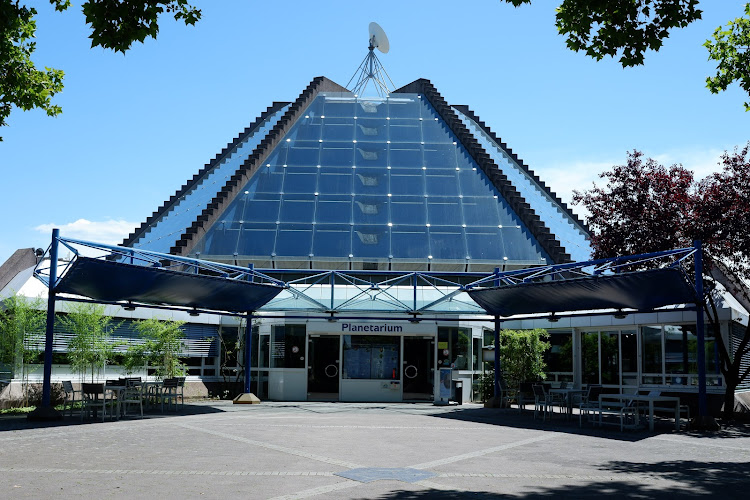
Planetarium Mannheim
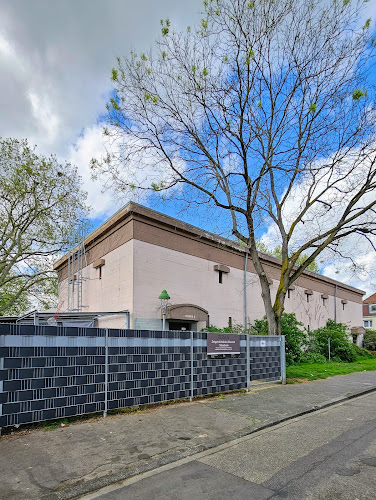
Zeitgeschichtliches Museum Mannheim
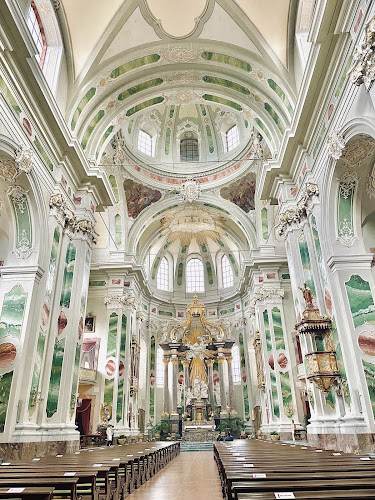
Jesuit Church, Mannheim
Find Accommodations Nearby
Recommended Tours & Activities
Visitor Reviews
There are no reviews yet. Be the first one to write one.
Share Your Experience
Have you visited Kunsthalle Mannheim? Help other travelers by leaving a review.