
Innenstadt/Jungbusch
About Innenstadt/Jungbusch
Description
The Innenstadt and Jungbusch districts in Mannheim blend history, creativity, and everyday life in a way that feels completely authentic. It’s the kind of place where you can wander from a centuries-old palace straight into a graffiti-splashed alley humming with live music. I remember my first time strolling through here—one minute I was admiring the ornate facades of Baroque buildings, and the next I was sipping espresso in a café that looked like it had been designed by an art student with a love for mismatched furniture. Somehow, it all fits together perfectly.
The Innenstadt is Mannheim’s commercial and cultural heart. You’ll find pedestrian streets lined with clothing stores, bakeries, and international eateries that reflect the city’s diverse community. It’s busy, yes, but not in an overwhelming way—more like a steady hum of life that makes you feel part of something. The squares are often filled with locals chatting over coffee or musicians performing for small crowds. A few steps away, the Museum Zeughaus showcases centuries of history inside a former 18th-century armory, while the grand Mannheim Palace stretches across five wings, each packed with fascinating exhibits.
Then there’s Jungbusch, the creative soul of Mannheim. Once an old harbor district, it’s now the beating heart of the city’s artistic scene. Industrial warehouses have been transformed into studios, bars, and performance spaces. The Popakademie, Germany’s renowned university for popular music, brings in young artists and musicians from all over Europe. You can hear snippets of music floating out of open windows as you walk by—guitars, beats, laughter. Street art covers the walls, some pieces so detailed you could spend half an hour just studying them. It’s edgy, a bit rough around the edges, but incredibly alive.
What I love most about this area is the mix of old and new. You can start your morning exploring centuries-old architecture and end your night in a neon-lit bar filled with students and locals swapping stories. It’s a place that doesn’t pretend to be perfect—it just is what it is, and that’s what makes it so special.
Key Features
- Historic landmarks like Mannheim Palace and the Museum Zeughaus, offering insight into the city’s rich past.
- Pedestrian-friendly streets filled with international restaurants, boutiques, and cozy cafes.
- Jungbusch’s thriving music and art scene, centered around the Popakademie and independent galleries.
- Street art and urban design that reflect Mannheim’s creative transformation.
- Year-round events, from open-air concerts to cultural festivals celebrating diversity and innovation.
- Easy access to public transportation, connecting visitors to other parts of Mannheim and beyond.
Best Time to Visit
If you ask me, spring and early autumn are the sweet spots for exploring Innenstadt and Jungbusch. The weather is pleasant enough for long walks, and you’ll catch the city at its most colorful—flowers blooming in the squares, outdoor terraces filling up again after winter. Summer, of course, has its own charm. The evenings stretch long, and the riverside bars in Jungbusch buzz with life. I once spent a July evening here listening to a jazz trio play under the stars—it felt spontaneous and magical.
Winter is quieter, though the Christmas markets in the Innenstadt bring a special kind of warmth. The lights, the smell of roasted almonds, the mulled wine—it’s cozy and nostalgic. If you prefer fewer crowds, visiting in January or February can be surprisingly rewarding. You’ll get to see the city’s daily rhythm without the tourist rush.
How to Get There
Reaching the Innenstadt and Jungbusch is straightforward. Mannheim’s main train station sits just a short walk or tram ride away from both districts. From there, trams and buses run frequently, and if you’re like me and enjoy walking, you can reach most attractions on foot within minutes. The city’s grid layout—unique in Germany—makes navigation refreshingly simple.
If you’re arriving from Frankfurt or Heidelberg, trains connect directly to Mannheim in under an hour. Once you’re in the city, renting a bike is a great option. Mannheim is known as the birthplace of the bicycle, after all, and cycling through its streets feels like a small tribute to that history. Parking can be tricky in the more central areas, so public transport or walking is usually the better choice.
Tips for Visiting
Here’s what I’ve learned from exploring Innenstadt and Jungbusch more times than I can count: take your time. Don’t rush from one landmark to another. Let yourself get lost a little. Some of the best finds here aren’t in any guidebook—like that tiny café behind the Popakademie where local musicians hang out, or the secondhand bookstore tucked between two modern boutiques.
Wear comfortable shoes because you’ll be walking a lot. The cobblestones can be uneven in some areas, especially in Jungbusch. If you’re into photography, bring your camera—the mix of old architecture, street art, and lively street scenes makes for incredible shots.
Try visiting during one of the district’s cultural festivals. The Nachtwandel Festival in Jungbusch, for example, transforms the area into a giant open-air gallery and music stage. You’ll see installations, performances, and impromptu jam sessions everywhere. It’s chaotic in the best way possible.
Food-wise, don’t just stick to the main squares. Wander a few blocks away, and you’ll find family-run restaurants serving dishes from every corner of the world—Turkish, Italian, Ethiopian, Vietnamese. Mannheim’s diversity is one of its greatest strengths, and you can taste it in every bite.
And one last thing—talk to people. Locals here are friendly and proud of their city. Whether it’s a barista recommending their favorite lunch spot or an artist explaining their mural, those small interactions make your visit richer. The Innenstadt and Jungbusch aren’t just places to see—they’re places to experience, to feel, and to remember long after you’ve gone home.
Key Features
- Historic landmarks like Mannheim Palace and the Museum Zeughaus, offering insight into the city’s rich past.
- Pedestrian-friendly streets filled with international restaurants, boutiques, and cozy cafes.
- Jungbusch’s thriving music and art scene, centered around the Popakademie and independent galleries.
- Street art and urban design that reflect Mannheim’s creative transformation.
- Year-round events, from open-air concerts to cultural festivals celebrating diversity and innovation.
- Easy access to public transportation, connecting visitors to other parts of Mannheim and beyond.
More Details
Updated November 30, 2025
Table of Contents
Description
The Innenstadt and Jungbusch districts in Mannheim blend history, creativity, and everyday life in a way that feels completely authentic. It’s the kind of place where you can wander from a centuries-old palace straight into a graffiti-splashed alley humming with live music. I remember my first time strolling through here—one minute I was admiring the ornate facades of Baroque buildings, and the next I was sipping espresso in a café that looked like it had been designed by an art student with a love for mismatched furniture. Somehow, it all fits together perfectly.
The Innenstadt is Mannheim’s commercial and cultural heart. You’ll find pedestrian streets lined with clothing stores, bakeries, and international eateries that reflect the city’s diverse community. It’s busy, yes, but not in an overwhelming way—more like a steady hum of life that makes you feel part of something. The squares are often filled with locals chatting over coffee or musicians performing for small crowds. A few steps away, the Museum Zeughaus showcases centuries of history inside a former 18th-century armory, while the grand Mannheim Palace stretches across five wings, each packed with fascinating exhibits.
Then there’s Jungbusch, the creative soul of Mannheim. Once an old harbor district, it’s now the beating heart of the city’s artistic scene. Industrial warehouses have been transformed into studios, bars, and performance spaces. The Popakademie, Germany’s renowned university for popular music, brings in young artists and musicians from all over Europe. You can hear snippets of music floating out of open windows as you walk by—guitars, beats, laughter. Street art covers the walls, some pieces so detailed you could spend half an hour just studying them. It’s edgy, a bit rough around the edges, but incredibly alive.
What I love most about this area is the mix of old and new. You can start your morning exploring centuries-old architecture and end your night in a neon-lit bar filled with students and locals swapping stories. It’s a place that doesn’t pretend to be perfect—it just is what it is, and that’s what makes it so special.
Key Features
- Historic landmarks like Mannheim Palace and the Museum Zeughaus, offering insight into the city’s rich past.
- Pedestrian-friendly streets filled with international restaurants, boutiques, and cozy cafes.
- Jungbusch’s thriving music and art scene, centered around the Popakademie and independent galleries.
- Street art and urban design that reflect Mannheim’s creative transformation.
- Year-round events, from open-air concerts to cultural festivals celebrating diversity and innovation.
- Easy access to public transportation, connecting visitors to other parts of Mannheim and beyond.
Best Time to Visit
If you ask me, spring and early autumn are the sweet spots for exploring Innenstadt and Jungbusch. The weather is pleasant enough for long walks, and you’ll catch the city at its most colorful—flowers blooming in the squares, outdoor terraces filling up again after winter. Summer, of course, has its own charm. The evenings stretch long, and the riverside bars in Jungbusch buzz with life. I once spent a July evening here listening to a jazz trio play under the stars—it felt spontaneous and magical.
Winter is quieter, though the Christmas markets in the Innenstadt bring a special kind of warmth. The lights, the smell of roasted almonds, the mulled wine—it’s cozy and nostalgic. If you prefer fewer crowds, visiting in January or February can be surprisingly rewarding. You’ll get to see the city’s daily rhythm without the tourist rush.
How to Get There
Reaching the Innenstadt and Jungbusch is straightforward. Mannheim’s main train station sits just a short walk or tram ride away from both districts. From there, trams and buses run frequently, and if you’re like me and enjoy walking, you can reach most attractions on foot within minutes. The city’s grid layout—unique in Germany—makes navigation refreshingly simple.
If you’re arriving from Frankfurt or Heidelberg, trains connect directly to Mannheim in under an hour. Once you’re in the city, renting a bike is a great option. Mannheim is known as the birthplace of the bicycle, after all, and cycling through its streets feels like a small tribute to that history. Parking can be tricky in the more central areas, so public transport or walking is usually the better choice.
Tips for Visiting
Here’s what I’ve learned from exploring Innenstadt and Jungbusch more times than I can count: take your time. Don’t rush from one landmark to another. Let yourself get lost a little. Some of the best finds here aren’t in any guidebook—like that tiny café behind the Popakademie where local musicians hang out, or the secondhand bookstore tucked between two modern boutiques.
Wear comfortable shoes because you’ll be walking a lot. The cobblestones can be uneven in some areas, especially in Jungbusch. If you’re into photography, bring your camera—the mix of old architecture, street art, and lively street scenes makes for incredible shots.
Try visiting during one of the district’s cultural festivals. The Nachtwandel Festival in Jungbusch, for example, transforms the area into a giant open-air gallery and music stage. You’ll see installations, performances, and impromptu jam sessions everywhere. It’s chaotic in the best way possible.
Food-wise, don’t just stick to the main squares. Wander a few blocks away, and you’ll find family-run restaurants serving dishes from every corner of the world—Turkish, Italian, Ethiopian, Vietnamese. Mannheim’s diversity is one of its greatest strengths, and you can taste it in every bite.
And one last thing—talk to people. Locals here are friendly and proud of their city. Whether it’s a barista recommending their favorite lunch spot or an artist explaining their mural, those small interactions make your visit richer. The Innenstadt and Jungbusch aren’t just places to see—they’re places to experience, to feel, and to remember long after you’ve gone home.
Key Highlights
- Historic landmarks like Mannheim Palace and the Museum Zeughaus, offering insight into the city’s rich past.
- Pedestrian-friendly streets filled with international restaurants, boutiques, and cozy cafes.
- Jungbusch’s thriving music and art scene, centered around the Popakademie and independent galleries.
- Street art and urban design that reflect Mannheim’s creative transformation.
- Year-round events, from open-air concerts to cultural festivals celebrating diversity and innovation.
- Easy access to public transportation, connecting visitors to other parts of Mannheim and beyond.
Location
Places to Stay Near Innenstadt/Jungbusch
Find and Book a Tour
Explore More Travel Guides
No reviews found! Be the first to review!
Traveler Reviews for Innenstadt/Jungbusch
There are no reviews yet. Be the first one to write one.
Have you visited Innenstadt/Jungbusch? Help other travelers by sharing your review.
You Might Also Like
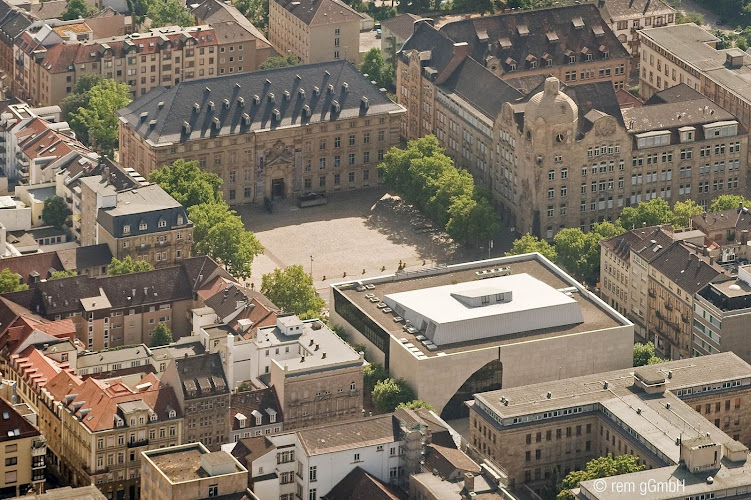
Reiss-Engelhorn-Museen (Museum Zeughaus)
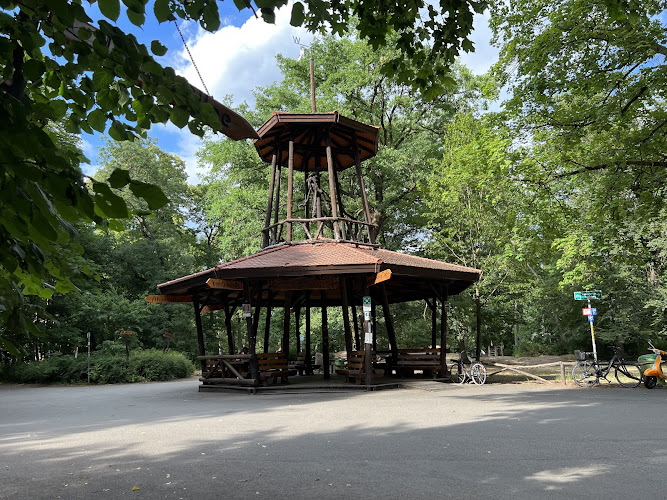
Karlstern
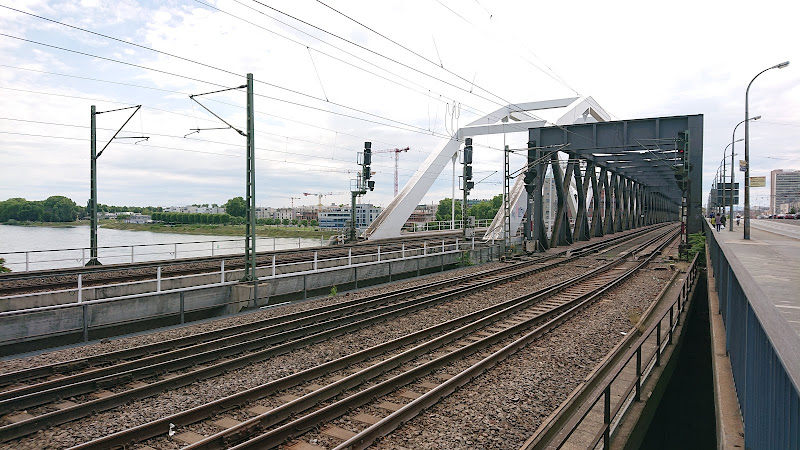
Konrad Adenauer Bridge
Find Accommodations Nearby
Recommended Tours & Activities
Visitor Reviews
There are no reviews yet. Be the first one to write one.
Share Your Experience
Have you visited Innenstadt/Jungbusch? Help other travelers by leaving a review.