

Uparkot Fort
About Uparkot Fort
Uparkot Fort in Junagadh, India, is one of those rare places that feels like stepping into a living time capsule. Dating back to around 319 BC, this ancient fortress stands as a stubborn witness to centuries of history, wars, peace, and cultural shifts. Despite its age, the fort's towering ramparts still impress, standing tall and resilient against time's wear and tear. Walking along the massive stone walls, you get a real sense of the strategic importance this fort once held in the region, guarding the city and the surrounding lands.
But Uparkot isn’t just about walls and battlements. Hidden within its expansive complex are ancient Buddhist caves, silently carved into the rocky landscape—places that once echoed with chants and meditation. These caves are surprisingly well-preserved and offer a peek into the spiritual life of past eras, which is often overlooked when people just focus on forts as military relics. There’s also a 15th-century mosque inside the fort premises, adding another layer of historical narrative and architectural beauty. The mosque's intricate detailing contrasts with the rugged toughness of the fort, showing how this site evolved with different rulers and cultures.
One of the quirkiest things about Uparkot is its ability to blend ancient rock-cut architecture with medieval Islamic designs, illustrating the diverse history that Junagadh itself is known for. You’ll spot old step wells, like the Navghan Kuvo and Adi Kadi Vav—ingenious underground water storage systems carved deep into the earth. These aren’t just functional structures; they’re a testament to the engineering skills of days gone by. And believe me, trying to figure out how these linked to the community’s water needs centuries ago can be quite a fascinating rabbit hole to dive into.
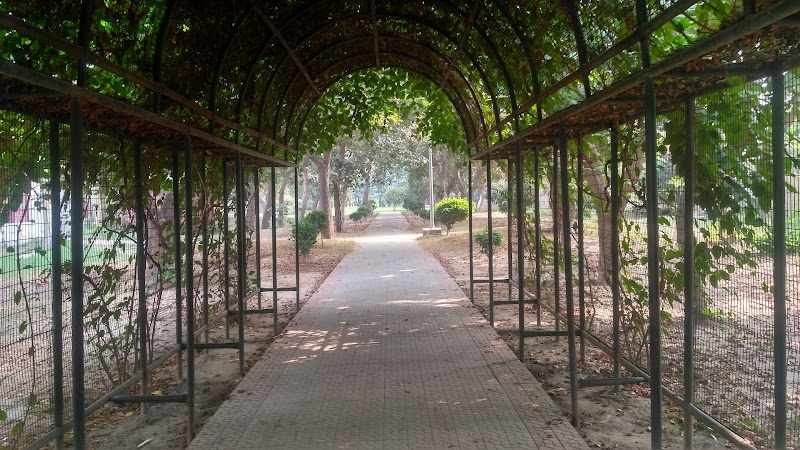
If you’re traveling with kids or someone who’s not much into dry history lessons, the fort still has enough charm to keep everyone engaged. The winding pathways, shaded spots, and the occasional glimpses of local wildlife in the bushes make it a surprisingly good spot for an active stroll. Plus, the fort is wheelchair accessible unlike many other ancient sites, which is a big relief for those worried about mobility.
Key Features
- Ancient fortress dating back to 319 BC with well-preserved walls that showcase Mauryan era construction techniques.
- Buddhist caves carved into the rocky hill, representing the spiritual heritage of the region.
- 15th-century mosque with fine Islamic architectural details contrasting the rugged fort walls.
- Ingenious Step Wells (Vavs), including the famous Navghan Kuvo and Adi Kadi Vav, showcasing ancient water conservation methods.
- Imposing ramparts that provide panoramic views of Junagadh city and surrounding hills.
- Wheelchair accessible entrance and parking, making the historic site inclusive and visitor-friendly.
- Family friendly atmosphere with easy pathways and shaded spots suitable for kids.
Best Time to Visit
Planning your visit to Uparkot Fort means timing it right to dodge the extremes, especially the blistering summer heat typical of Gujarat. The months from October to March are generally the best, offering cooler temperatures and a more comfortable exploring experience. Trust me, no one enjoys sweating buckets while trying to appreciate centuries-old stone walls or ducking into caves for a bit of shade.
Mornings are your golden hours here. Not only does the softer light bring out hues and textures of the fort’s stonework beautifully—perfect for snapping some memorable photos—but the crowds are thinner too. Afternoons can get a bit swamped, especially on weekends and holidays, so if you’re after some peace and quiet or a slower-paced exploration, an early visit beats the rush hands down.
One little bonus is catching the festival lights or the occasional cultural event held inside the fort, but those tend to be seasonal and worth checking the local calendar for. Otherwise, just treat it as a day trip that’s more about soaking up history and nature than anything else.
How to Get There
Uparkot Fort is pretty straightforward to reach once you’re in Junagadh city. For those flying in, the closest airport is Rajkot, about 90 kilometers away—so a bit of a drive but manageable with pre-arranged taxis or rental cars. A road trip from Rajkot itself is kind of charming, giving you a hint of the Girnar Hills and rural Gujarat along the way.
If you’re coming by train, Junagadh Railway Station is your best bet and it’s only a short taxi or rickshaw ride to the fort. Local auto-rickshaws are a friendly, budget-friendly option and the drivers usually know the site well, so no risk of getting lost.
Driving yourself? There’s parking nearby with wheelchair accessible spots, which is a nice touch. Plus, having your own wheels means you can wander nearby attractions later, like the famous Girnar Hills or Nawab’s Palace. Speaking of which, the fort’s strategic location means it’s perched on a rocky hill, so prepare yourself for some uphill walk at the entrance, though it’s well laid out with resting spots.
Tips for Visiting
- Wear comfortable shoes. The fort’s pathways are a mix of rugged stone and narrow staircases, so slipping or tripping isn’t out of the question.
- Bring water and a hat. Shade inside the fort is limited, so staying hydrated and protected from the sun is a smart move, especially during the warmer months.
- Consider a guided tour. There’s a lot of history packed into Uparkot, and a local guide can bring the ancient walls to life with stories and context you won’t find on plaques or in dusty books.
- Visit early or late in the day. This helps you avoid midday heat and crowds, plus, the soft light in mornings or evenings makes your photos pop.
- Don’t rush. The fort isn’t just about the big walls. Dig into the caves, step wells, and mosque details. Those quiet corners tend to be the most memorable parts.
- Respect the site’s historical significance. Some parts are fragile, so avoid climbing on ruins or graffiti. It’s a shared memory of the past, after all.
- Kids can enjoy the adventure. It’s a great spot for children to explore safely under supervision, with plenty of space to roam and imagine old times.
- Check the weather forecast. Sudden rains can make the rocky surfaces slippery, so a bit of caution is advised during monsoon months.
All in all, Uparkot Fort isn’t just another fort to tick off your travel list. It’s a slice of layered history wrapped in stone and silent caves, patiently waiting for those curious enough to explore beyond the obvious. When you leave, you might find yourself oddly connected to the many faces that have lived, labored, and laughed behind those walls over the past two millennia. And that’s pretty cool for an ancient fort, right?
You Might Also Like

1, Swarn Jayanti Park Rd
1/33, Rajiv Park Rd
3D Park
Tours & Activities
GetYourGuide provides this tour inventory. We may earn a commission if you book through it; verify current availability, prices, and terms with the provider.
Visitor Reviews
There are no reviews yet. Be the first one to write one.
Share Your Experience
Have you visited Uparkot Fort? Help other travelers by leaving a review.