Cultural-Historical Center Santa Casa
About Cultural-Historical Center Santa Casa
Description
The Cultural-Historical Center Santa Casa is one of those places that quietly takes your breath away before you even realize it. Tucked inside the heart of Porto Alegre, this cultural gem tells stories that go way beyond its walls. It’s not just a museum or a performance space—it’s a living memory of the city’s soul, a blend of history, art, and human connection. You can feel it the moment you step inside—the hush of the old corridors, the faint echo of footsteps, the scent of polished wood mixed with time itself. It’s the kind of place that makes you slow down, look around, and really see.
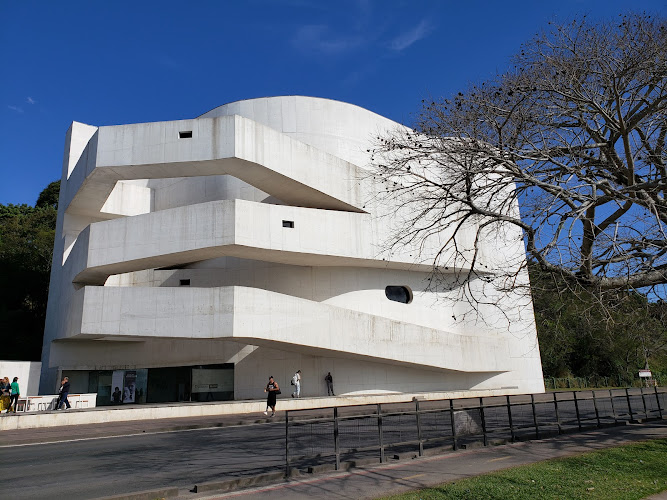
What makes this center so special is how it merges the past with the present. The building, part of the historic Santa Casa complex, has been carefully preserved to showcase its architectural beauty while hosting modern exhibitions, performances, and cultural events. It’s small enough to feel intimate but rich enough to keep you exploring for hours. And honestly, I’ve always been a sucker for places like this—where every corner seems to whisper an untold story. Whether you’re a history buff, an art lover, or just someone looking for a quiet afternoon in a meaningful space, this center feels like a gentle invitation to pause and reflect.
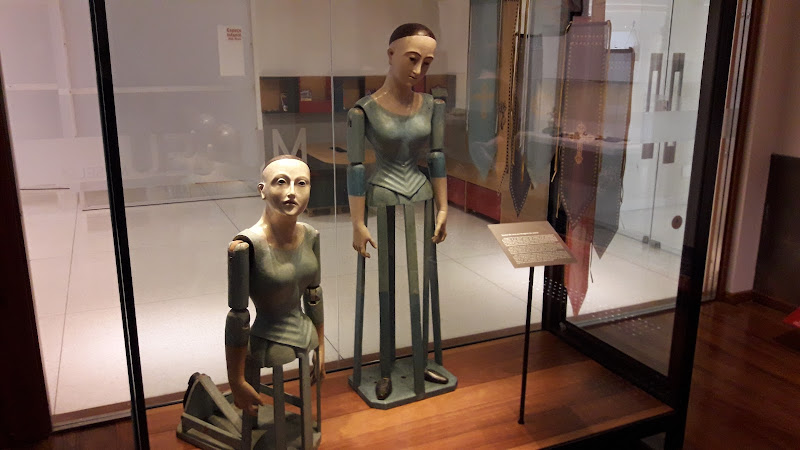
Inside, you’ll find a mix of permanent and temporary exhibitions that highlight the hospital’s historical significance, the evolution of medicine, and the cultural life of Porto Alegre. But it’s not all about the past. The center often hosts concerts, lectures, and theatrical performances that celebrate creativity and community. I remember attending a small local music show there once—nothing fancy, just a few chairs, a guitar, and a voice that filled the room. It was one of those evenings that stay with you, not because it was grand, but because it felt real.
Accessibility is another thing the center gets right. The entrance, restrooms, and parking areas are all wheelchair-friendly, which is something that should be standard everywhere but sadly isn’t. There’s a sense of inclusivity here that aligns perfectly with the center’s mission—to preserve memory and share culture with everyone. And if you’re the kind of traveler who appreciates thoughtful details, you’ll love that they accept credit, debit, and even mobile payments, making everything smooth and convenient.
Key Features
- Beautifully restored historical architecture that reflects Porto Alegre’s heritage
- A diverse program of cultural events, including art exhibitions, theater performances, and lectures
- Permanent displays that explore the history of Santa Casa and its role in the city’s social fabric
- Wheelchair-accessible facilities, including restrooms and parking
- Modern amenities such as digital payment options and clean, well-maintained rest areas
- Intimate theater space offering immersive performances in a cozy setting
- Knowledgeable staff who are passionate about local history and always happy to share insights
What struck me most during my visit was how the center balances solemnity and liveliness. You can spend the morning reflecting on the historical exhibits, then find yourself laughing and clapping at a community performance later in the evening. It’s that duality—quiet contemplation and joyful expression—that makes the Cultural-Historical Center Santa Casa so unique.
Best Time to Visit
If you ask me, the best time to visit is during the cooler months, between April and September. Porto Alegre can get quite warm in the summer, and the gentle chill of autumn or early winter pairs beautifully with the center’s atmosphere. The air feels crisp, the light softer, and the crowds a bit thinner. Plus, many of the center’s cultural events tend to cluster around these months, giving you a better chance to catch something truly special.
That said, there’s no “wrong” time to go. Each season adds its own flavor. Summer brings longer days and lively outdoor gatherings nearby, while spring fills the surrounding streets with blossoms and color. If you love photography, the morning light filtering through the old windows is absolutely magical. I once spent nearly an hour just watching how the sunlight shifted across the walls—it’s the kind of simple joy that travel is really about.
How to Get There
Reaching the Cultural-Historical Center Santa Casa is fairly straightforward, especially if you’re staying in or near Porto Alegre’s central area. The location is easily accessible by public transportation, with several bus lines stopping nearby. For those who prefer to drive, there’s convenient parking available close to the entrance, and yes, it’s wheelchair accessible too. Ride-sharing services like Uber and local taxis are also reliable options, and honestly, that’s what I usually go for—less hassle, more time to explore.
If you’re coming from the airport, expect about a 20 to 25-minute drive depending on traffic. The route itself is quite scenic, passing through some of the city’s oldest neighborhoods. And if you’re into walking (like I am), you’ll enjoy strolling through the area—it’s full of charming cafés and small shops where you can grab a quick espresso before or after your visit. Just a small tip: wear comfortable shoes. The cobblestone streets are beautiful but can be a bit tricky if you’re not used to them.
Tips for Visiting
Here’s where the little things make all the difference. First off, try to get your tickets in advance if possible. The center isn’t huge, and events—especially performances—can sell out quickly. Buying ahead saves you both time and disappointment. Also, plan to spend at least two to three hours here. You’ll want enough time to explore the exhibits, maybe catch a show, and just soak in the atmosphere without rushing.
Bring a light sweater or jacket, even if it’s warm outside. The interior can feel cool, especially in the exhibition halls. And don’t forget your camera (or phone, let’s be honest)—the architecture alone is worth a few shots. The play of light and shadow, the ornate details, the sense of age—it all photographs beautifully. Just be respectful of areas where photography might not be allowed, particularly during performances.
Another thing: talk to the staff. Seriously. They’re not just employees—they’re storytellers. Every time I’ve visited, I’ve ended up in some fascinating conversation about the building’s history or the local art scene. It’s those human moments that turn a good trip into a memorable one. And if you’re traveling with kids or older relatives, you’ll appreciate how accessible and comfortable the space is. Everything from the restrooms to the seating areas is designed with thoughtfulness in mind.
Lastly, take a few minutes to just sit quietly somewhere inside. Let the space speak to you. There’s something grounding about being surrounded by so much history and creativity at once. You start to feel connected—not just to the city, but to the generations of people who’ve walked those same halls. It’s a reminder that travel isn’t just about seeing new places—it’s about feeling them.
In the end, the Cultural-Historical Center Santa Casa isn’t the kind of attraction that shouts for attention. It doesn’t need to. Its charm lies in its authenticity, its quiet confidence, and its ability to make you feel part of something bigger. Whether you’re a traveler chasing stories, a local rediscovering your roots, or just someone who loves beautiful spaces with soul, this place will leave a mark on you. And trust me, it’s the kind of mark that lingers long after you’ve left.
Key Features
- Beautifully restored historical architecture that reflects Porto Alegre’s heritage
- A diverse program of cultural events, including art exhibitions, theater performances, and lectures
- Permanent displays that explore the history of Santa Casa and its role in the city’s social fabric
- Wheelchair-accessible facilities, including restrooms and parking
- Modern amenities such as digital payment options and clean, well-maintained rest areas
- Intimate theater space offering immersive performances in a cozy setting
- Knowledgeable staff who are passionate about local history and always happy to share insights
More Details
Updated December 1, 2025
Table of Contents
- Description
- Key Features
- Best Time to Visit
- How to Get There
- Tips for Visiting
- Key Highlights
- Location
- Places to Stay Near Cultural-Historical Center Santa Casa
- Find and Book a Tour
- Explore More Travel Guides
- Nearby Places You Might Like
- Traveler Reviews for Cultural-Historical Center Santa Casa
- Share Your Experience
Description
The Cultural-Historical Center Santa Casa is one of those places that quietly takes your breath away before you even realize it. Tucked inside the heart of Porto Alegre, this cultural gem tells stories that go way beyond its walls. It’s not just a museum or a performance space—it’s a living memory of the city’s soul, a blend of history, art, and human connection. You can feel it the moment you step inside—the hush of the old corridors, the faint echo of footsteps, the scent of polished wood mixed with time itself. It’s the kind of place that makes you slow down, look around, and really see.
What makes this center so special is how it merges the past with the present. The building, part of the historic Santa Casa complex, has been carefully preserved to showcase its architectural beauty while hosting modern exhibitions, performances, and cultural events. It’s small enough to feel intimate but rich enough to keep you exploring for hours. And honestly, I’ve always been a sucker for places like this—where every corner seems to whisper an untold story. Whether you’re a history buff, an art lover, or just someone looking for a quiet afternoon in a meaningful space, this center feels like a gentle invitation to pause and reflect.
Inside, you’ll find a mix of permanent and temporary exhibitions that highlight the hospital’s historical significance, the evolution of medicine, and the cultural life of Porto Alegre. But it’s not all about the past. The center often hosts concerts, lectures, and theatrical performances that celebrate creativity and community. I remember attending a small local music show there once—nothing fancy, just a few chairs, a guitar, and a voice that filled the room. It was one of those evenings that stay with you, not because it was grand, but because it felt real.
Accessibility is another thing the center gets right. The entrance, restrooms, and parking areas are all wheelchair-friendly, which is something that should be standard everywhere but sadly isn’t. There’s a sense of inclusivity here that aligns perfectly with the center’s mission—to preserve memory and share culture with everyone. And if you’re the kind of traveler who appreciates thoughtful details, you’ll love that they accept credit, debit, and even mobile payments, making everything smooth and convenient.
Key Features
- Beautifully restored historical architecture that reflects Porto Alegre’s heritage
- A diverse program of cultural events, including art exhibitions, theater performances, and lectures
- Permanent displays that explore the history of Santa Casa and its role in the city’s social fabric
- Wheelchair-accessible facilities, including restrooms and parking
- Modern amenities such as digital payment options and clean, well-maintained rest areas
- Intimate theater space offering immersive performances in a cozy setting
- Knowledgeable staff who are passionate about local history and always happy to share insights
What struck me most during my visit was how the center balances solemnity and liveliness. You can spend the morning reflecting on the historical exhibits, then find yourself laughing and clapping at a community performance later in the evening. It’s that duality—quiet contemplation and joyful expression—that makes the Cultural-Historical Center Santa Casa so unique.
Best Time to Visit
If you ask me, the best time to visit is during the cooler months, between April and September. Porto Alegre can get quite warm in the summer, and the gentle chill of autumn or early winter pairs beautifully with the center’s atmosphere. The air feels crisp, the light softer, and the crowds a bit thinner. Plus, many of the center’s cultural events tend to cluster around these months, giving you a better chance to catch something truly special.
That said, there’s no “wrong” time to go. Each season adds its own flavor. Summer brings longer days and lively outdoor gatherings nearby, while spring fills the surrounding streets with blossoms and color. If you love photography, the morning light filtering through the old windows is absolutely magical. I once spent nearly an hour just watching how the sunlight shifted across the walls—it’s the kind of simple joy that travel is really about.
How to Get There
Reaching the Cultural-Historical Center Santa Casa is fairly straightforward, especially if you’re staying in or near Porto Alegre’s central area. The location is easily accessible by public transportation, with several bus lines stopping nearby. For those who prefer to drive, there’s convenient parking available close to the entrance, and yes, it’s wheelchair accessible too. Ride-sharing services like Uber and local taxis are also reliable options, and honestly, that’s what I usually go for—less hassle, more time to explore.
If you’re coming from the airport, expect about a 20 to 25-minute drive depending on traffic. The route itself is quite scenic, passing through some of the city’s oldest neighborhoods. And if you’re into walking (like I am), you’ll enjoy strolling through the area—it’s full of charming cafés and small shops where you can grab a quick espresso before or after your visit. Just a small tip: wear comfortable shoes. The cobblestone streets are beautiful but can be a bit tricky if you’re not used to them.
Tips for Visiting
Here’s where the little things make all the difference. First off, try to get your tickets in advance if possible. The center isn’t huge, and events—especially performances—can sell out quickly. Buying ahead saves you both time and disappointment. Also, plan to spend at least two to three hours here. You’ll want enough time to explore the exhibits, maybe catch a show, and just soak in the atmosphere without rushing.
Bring a light sweater or jacket, even if it’s warm outside. The interior can feel cool, especially in the exhibition halls. And don’t forget your camera (or phone, let’s be honest)—the architecture alone is worth a few shots. The play of light and shadow, the ornate details, the sense of age—it all photographs beautifully. Just be respectful of areas where photography might not be allowed, particularly during performances.
Another thing: talk to the staff. Seriously. They’re not just employees—they’re storytellers. Every time I’ve visited, I’ve ended up in some fascinating conversation about the building’s history or the local art scene. It’s those human moments that turn a good trip into a memorable one. And if you’re traveling with kids or older relatives, you’ll appreciate how accessible and comfortable the space is. Everything from the restrooms to the seating areas is designed with thoughtfulness in mind.
Lastly, take a few minutes to just sit quietly somewhere inside. Let the space speak to you. There’s something grounding about being surrounded by so much history and creativity at once. You start to feel connected—not just to the city, but to the generations of people who’ve walked those same halls. It’s a reminder that travel isn’t just about seeing new places—it’s about feeling them.
In the end, the Cultural-Historical Center Santa Casa isn’t the kind of attraction that shouts for attention. It doesn’t need to. Its charm lies in its authenticity, its quiet confidence, and its ability to make you feel part of something bigger. Whether you’re a traveler chasing stories, a local rediscovering your roots, or just someone who loves beautiful spaces with soul, this place will leave a mark on you. And trust me, it’s the kind of mark that lingers long after you’ve left.
Key Highlights
- Beautifully restored historical architecture that reflects Porto Alegre’s heritage
- A diverse program of cultural events, including art exhibitions, theater performances, and lectures
- Permanent displays that explore the history of Santa Casa and its role in the city’s social fabric
- Wheelchair-accessible facilities, including restrooms and parking
- Modern amenities such as digital payment options and clean, well-maintained rest areas
- Intimate theater space offering immersive performances in a cozy setting
- Knowledgeable staff who are passionate about local history and always happy to share insights
Location
Places to Stay Near Cultural-Historical Center Santa Casa
Find and Book a Tour
Explore More Travel Guides
No reviews found! Be the first to review!
Traveler Reviews for Cultural-Historical Center Santa Casa
There are no reviews yet. Be the first one to write one.
Have you visited Cultural-Historical Center Santa Casa? Help other travelers by sharing your review.
Find Accommodations Nearby
Recommended Tours & Activities
Visitor Reviews
There are no reviews yet. Be the first one to write one.
Share Your Experience
Have you visited Cultural-Historical Center Santa Casa? Help other travelers by leaving a review.