
Muara Dua
About Muara Dua
Description
Muara Dua is one of those places that doesn’t shout for attention, and honestly, that’s part of its charm. It sits quietly along the coast, shaped by the meeting point of river and sea, where saltwater and freshwater argue a little before finally agreeing to coexist. Travelers who make it here usually come with low expectations and leave pleasantly surprised. And yes, that happens more often than guidebooks like to admit.
The area has long been important to local fishing communities, and that heritage still lingers in the air. Early mornings are busy in a calm, practical way. Boats drift in, nets get hauled, and someone is always rinsing something with seawater. It feels lived-in rather than curated, which is refreshing if you’ve ever felt tired of overly polished tourist spots. Muara Dua doesn’t try to impress you. It just is.
The shoreline stretches wide, with dark sand that warms up fast under the sun. On clear days, the horizon feels almost exaggerated, like someone pulled it farther away just to give your thoughts more room. The water isn’t always postcard-blue, and that’s okay. It reflects the working nature of the place. Sometimes calm, sometimes moody, always honest.
This writer remembers visiting Muara Dua on a random weekday, thinking it would be a quick stop. It turned into hours of sitting, watching fishermen mend nets and kids racing each other barefoot along the shore. No big agenda, no checklist. And that’s kind of the point. If you’re the type who likes places that reveal themselves slowly, you’ll get it.
Muara Dua appeals to travelers looking for a grounded coastal experience. It’s not about luxury. It’s about rhythm. River tides, fishing schedules, the sun deciding when it’s time to leave. And if you let yourself follow that rhythm, even just for a day, it sticks with you longer than expected.
Key Features
- Wide coastal area where river water meets the sea, creating unique scenery and fishing conditions
- Strong local fishing culture visible in daily activities and boat traffic
- Spacious shoreline ideal for walking, sitting, and slow exploration
- Sunset views that change dramatically depending on weather and tides
- Laid-back atmosphere without heavy commercialization
- Opportunity to observe real coastal life rather than staged experiences
- Popular with local families, especially on weekends and holidays
One thing worth mentioning, and people don’t always talk about this, is how social the space feels without being intrusive. You can sit alone and nobody bothers you. But if you’re curious, conversations happen easily. Someone might ask where you’re from, or offer advice on where to sit for better shade. It feels human, not transactional.
Best Time to Visit
Timing matters at Muara Dua, more than some travelers realize. Early mornings are ideal if you want to see the fishing activity in full swing. Boats returning, fresh catches being sorted, and the whole place humming quietly with purpose. It’s also cooler then, which helps if you’re not great with heat. And who is, really?
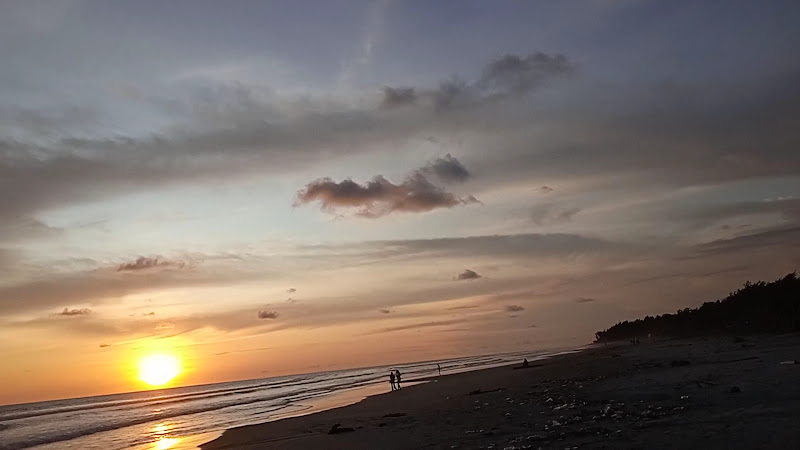
Late afternoons are the other sweet spot. The light softens, the shoreline feels gentler, and people start arriving just to sit and talk. The sunsets can be unexpectedly dramatic, especially after a hot day. Clouds roll in, colors deepen, and suddenly everyone’s phone is out. Even people who swear they don’t care about sunsets end up staring.
As for seasons, the drier months generally offer more predictable weather and calmer seas. Rainy periods can make the area feel heavier and muddier, but some travelers actually like that rawness. Fewer visitors, more atmosphere. But be prepared for sudden showers. They don’t ask permission.
Weekdays are quieter and better if you want space. Weekends bring more families and local visitors, which adds energy but also noise. Neither is bad. It just depends on what you’re after. If you want contemplative silence, go midweek. If you enjoy people-watching and casual chaos, weekends deliver.
How to Get There
Getting to Muara Dua requires a bit of patience, but nothing dramatic. Travelers usually pass through nearby towns before branching off toward the coast. Roads are generally manageable, though some sections can be uneven. And yes, potholes exist. Think of them as part of the adventure, or at least tell yourself that.
Private vehicles offer the most flexibility. You can stop when something catches your eye, and trust me, it will. Motorbikes are common and practical for solo travelers or couples who don’t mind dust and wind. Public transport can get you close, but expect to walk the final stretch or arrange a local ride.
Signage isn’t always perfect, so asking locals helps. People are usually happy to point you in the right direction, sometimes with overly detailed instructions that involve landmarks you’ve never seen. Just nod, smile, and ask again if needed. It works.
One small piece of advice from experience: avoid arriving after dark if it’s your first time. Not because it’s unsafe, but because you’ll miss the visual cues that make navigation easier. Daylight arrival just feels smoother.
Tips for Visiting
First tip, and this comes from someone who learned the hard way: bring sun protection. There’s less natural shade than you might expect, especially along the open shoreline. A hat and sunscreen aren’t optional unless you enjoy regretting things later.
Wear footwear you don’t mind getting sandy or wet. The mix of river and sea means damp patches appear in unexpected places. And yes, stepping in one accidentally will happen. It’s basically a rite of passage.
Don’t expect polished facilities everywhere. There are basic amenities, but they’re functional rather than fancy. Bring water, snacks, and maybe a small mat if you plan to sit for a while. Sitting directly on sand sounds romantic until it’s not.
If you’re into photography, keep your camera ready but be respectful. Locals are generally fine with photos, but it’s polite to ask, especially when photographing people. A smile and a gesture go a long way. Sometimes you’ll get a story along with permission, which is better than any photo.
Food options nearby are simple and local. Fresh seafood is the highlight, often prepared in straightforward ways that let the flavor speak. Don’t overthink it. Eat what’s available, and eat it while it’s hot. This writer once skipped a meal thinking something better would come along. It didn’t. Lesson learned.
Lastly, manage expectations. Muara Dua isn’t designed to entertain you. It invites you to slow down and observe. If you arrive looking for constant stimulation, you might feel bored. But if you give it time, the place grows on you. Quietly. And sometimes those are the places that stay with you the longest.
Muara Dua rewards travelers who show up without a script. It offers space, routine, and a glimpse into coastal life that hasn’t been overly edited for visitors. And maybe that’s why, long after leaving, people find themselves thinking about it again. Not in a loud way. Just a small, persistent thought saying, yeah, that place was different.
Key Features
- Wide coastal area where river water meets the sea, creating unique scenery and fishing conditions
- Strong local fishing culture visible in daily activities and boat traffic
- Spacious shoreline ideal for walking, sitting, and slow exploration
- Sunset views that change dramatically depending on weather and tides
- Laid-back atmosphere without heavy commercialization
- Opportunity to observe real coastal life rather than staged experiences
- Popular with local families, especially on weekends and holidays
More Details
Updated December 30, 2025
Table of Contents
Description
Muara Dua is one of those places that doesn’t shout for attention, and honestly, that’s part of its charm. It sits quietly along the coast, shaped by the meeting point of river and sea, where saltwater and freshwater argue a little before finally agreeing to coexist. Travelers who make it here usually come with low expectations and leave pleasantly surprised. And yes, that happens more often than guidebooks like to admit.
The area has long been important to local fishing communities, and that heritage still lingers in the air. Early mornings are busy in a calm, practical way. Boats drift in, nets get hauled, and someone is always rinsing something with seawater. It feels lived-in rather than curated, which is refreshing if you’ve ever felt tired of overly polished tourist spots. Muara Dua doesn’t try to impress you. It just is.
The shoreline stretches wide, with dark sand that warms up fast under the sun. On clear days, the horizon feels almost exaggerated, like someone pulled it farther away just to give your thoughts more room. The water isn’t always postcard-blue, and that’s okay. It reflects the working nature of the place. Sometimes calm, sometimes moody, always honest.
This writer remembers visiting Muara Dua on a random weekday, thinking it would be a quick stop. It turned into hours of sitting, watching fishermen mend nets and kids racing each other barefoot along the shore. No big agenda, no checklist. And that’s kind of the point. If you’re the type who likes places that reveal themselves slowly, you’ll get it.
Muara Dua appeals to travelers looking for a grounded coastal experience. It’s not about luxury. It’s about rhythm. River tides, fishing schedules, the sun deciding when it’s time to leave. And if you let yourself follow that rhythm, even just for a day, it sticks with you longer than expected.
Key Features
- Wide coastal area where river water meets the sea, creating unique scenery and fishing conditions
- Strong local fishing culture visible in daily activities and boat traffic
- Spacious shoreline ideal for walking, sitting, and slow exploration
- Sunset views that change dramatically depending on weather and tides
- Laid-back atmosphere without heavy commercialization
- Opportunity to observe real coastal life rather than staged experiences
- Popular with local families, especially on weekends and holidays
One thing worth mentioning, and people don’t always talk about this, is how social the space feels without being intrusive. You can sit alone and nobody bothers you. But if you’re curious, conversations happen easily. Someone might ask where you’re from, or offer advice on where to sit for better shade. It feels human, not transactional.
Best Time to Visit
Timing matters at Muara Dua, more than some travelers realize. Early mornings are ideal if you want to see the fishing activity in full swing. Boats returning, fresh catches being sorted, and the whole place humming quietly with purpose. It’s also cooler then, which helps if you’re not great with heat. And who is, really?
Late afternoons are the other sweet spot. The light softens, the shoreline feels gentler, and people start arriving just to sit and talk. The sunsets can be unexpectedly dramatic, especially after a hot day. Clouds roll in, colors deepen, and suddenly everyone’s phone is out. Even people who swear they don’t care about sunsets end up staring.
As for seasons, the drier months generally offer more predictable weather and calmer seas. Rainy periods can make the area feel heavier and muddier, but some travelers actually like that rawness. Fewer visitors, more atmosphere. But be prepared for sudden showers. They don’t ask permission.
Weekdays are quieter and better if you want space. Weekends bring more families and local visitors, which adds energy but also noise. Neither is bad. It just depends on what you’re after. If you want contemplative silence, go midweek. If you enjoy people-watching and casual chaos, weekends deliver.
How to Get There
Getting to Muara Dua requires a bit of patience, but nothing dramatic. Travelers usually pass through nearby towns before branching off toward the coast. Roads are generally manageable, though some sections can be uneven. And yes, potholes exist. Think of them as part of the adventure, or at least tell yourself that.
Private vehicles offer the most flexibility. You can stop when something catches your eye, and trust me, it will. Motorbikes are common and practical for solo travelers or couples who don’t mind dust and wind. Public transport can get you close, but expect to walk the final stretch or arrange a local ride.
Signage isn’t always perfect, so asking locals helps. People are usually happy to point you in the right direction, sometimes with overly detailed instructions that involve landmarks you’ve never seen. Just nod, smile, and ask again if needed. It works.
One small piece of advice from experience: avoid arriving after dark if it’s your first time. Not because it’s unsafe, but because you’ll miss the visual cues that make navigation easier. Daylight arrival just feels smoother.
Tips for Visiting
First tip, and this comes from someone who learned the hard way: bring sun protection. There’s less natural shade than you might expect, especially along the open shoreline. A hat and sunscreen aren’t optional unless you enjoy regretting things later.
Wear footwear you don’t mind getting sandy or wet. The mix of river and sea means damp patches appear in unexpected places. And yes, stepping in one accidentally will happen. It’s basically a rite of passage.
Don’t expect polished facilities everywhere. There are basic amenities, but they’re functional rather than fancy. Bring water, snacks, and maybe a small mat if you plan to sit for a while. Sitting directly on sand sounds romantic until it’s not.
If you’re into photography, keep your camera ready but be respectful. Locals are generally fine with photos, but it’s polite to ask, especially when photographing people. A smile and a gesture go a long way. Sometimes you’ll get a story along with permission, which is better than any photo.
Food options nearby are simple and local. Fresh seafood is the highlight, often prepared in straightforward ways that let the flavor speak. Don’t overthink it. Eat what’s available, and eat it while it’s hot. This writer once skipped a meal thinking something better would come along. It didn’t. Lesson learned.
Lastly, manage expectations. Muara Dua isn’t designed to entertain you. It invites you to slow down and observe. If you arrive looking for constant stimulation, you might feel bored. But if you give it time, the place grows on you. Quietly. And sometimes those are the places that stay with you the longest.
Muara Dua rewards travelers who show up without a script. It offers space, routine, and a glimpse into coastal life that hasn’t been overly edited for visitors. And maybe that’s why, long after leaving, people find themselves thinking about it again. Not in a loud way. Just a small, persistent thought saying, yeah, that place was different.
Key Highlights
- Wide coastal area where river water meets the sea, creating unique scenery and fishing conditions
- Strong local fishing culture visible in daily activities and boat traffic
- Spacious shoreline ideal for walking, sitting, and slow exploration
- Sunset views that change dramatically depending on weather and tides
- Laid-back atmosphere without heavy commercialization
- Opportunity to observe real coastal life rather than staged experiences
- Popular with local families, especially on weekends and holidays
Location
Places to Stay Near Muara Dua
Find and Book a Tour
Explore More Travel Guides
No reviews found! Be the first to review!
Traveler Reviews for Muara Dua
There are no reviews yet. Be the first one to write one.
Have you visited Muara Dua? Help other travelers by sharing your review.
You Might Also Like
Taman Wisata Family

Sport Center Pantai Panjang
Panjang Beach Bengkulu
Find Accommodations Nearby
Recommended Tours & Activities
Visitor Reviews
There are no reviews yet. Be the first one to write one.
Share Your Experience
Have you visited Muara Dua? Help other travelers by leaving a review.