
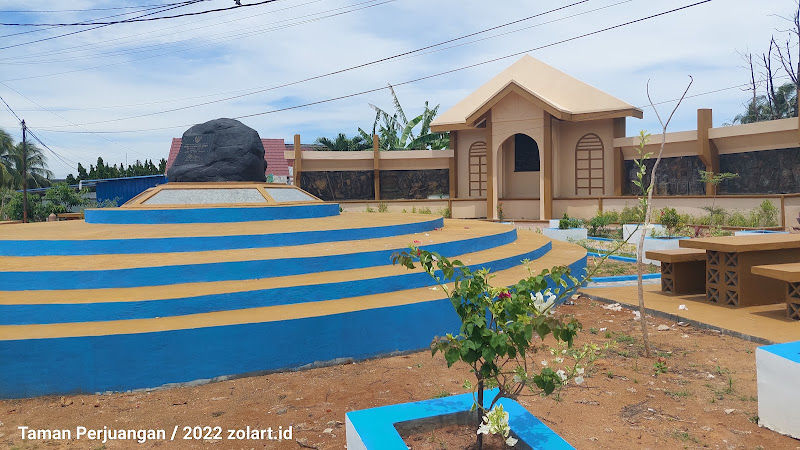
Monumen perjuangan
About Monumen perjuangan
Description
Monumen Perjuangan is one of those places that quietly sticks with you long after you’ve left. It’s a war memorial, yes, but it doesn’t shout. It doesn’t overwhelm you with heavy-handed drama. Instead, it stands there, calm and deliberate, asking you to slow down for a moment and actually think about what struggle, sacrifice, and independence really mean. And honestly, that’s rare these days. Travelers often rush from one landmark to the next, ticking boxes. This is a spot that gently nudges you to stop ticking and start reflecting.
The monument honors local heroes and historical moments tied to Indonesia’s long and complicated fight for independence. If you’ve traveled around the country before, you might notice a pattern: nearly every region has its own Monumen Perjuangan, each telling a slightly different story. And that’s what makes this one interesting. It reflects the local version of history, the specific battles, leaders, and ordinary people who did extraordinary things. I remember visiting a similar monument years ago and thinking I’d breeze through in ten minutes. I ended up staying nearly an hour, just reading plaques and watching families explain things to their kids.
What stands out here is how accessible the story is. You don’t need to be a history buff or have read thick textbooks about colonial rule. The monument speaks in plain language, through sculpture, layout, and atmosphere. And yes, it’s very family-friendly. Kids tend to run around the open spaces at first, but I’ve seen them slow down once a parent starts pointing at statues or reliefs and telling stories. That, to me, is the real magic of a place like this. History stops being abstract and starts becoming personal.
From a traveler’s point of view, Monumen Perjuangan works beautifully as a cultural pause in your itinerary. It’s not exhausting, it’s not confusing, and it doesn’t demand hours of your day. But it gives back something valuable: context. After visiting, street names, flags, and even local ceremonies start making more sense. And suddenly, your trip feels deeper, not just longer.
Key Features
- Central memorial structure that symbolizes resistance, unity, and national pride, often designed to be seen from a distance
- Historical reliefs or statues depicting key moments in the local independence struggle
- Open public space where visitors can walk freely, sit, reflect, or let kids stretch their legs
- Informational plaques written in straightforward language, making history easier to digest
- Peaceful atmosphere that feels respectful without being somber or intimidating
- Educational value for children, especially when paired with storytelling by parents or guides
- Photogenic angles, particularly early in the day when the light hits the monument just right
Best Time to Visit
Timing matters more than you might think here. Early morning is, in my opinion, the best time to visit Monumen Perjuangan. The air feels lighter, the surroundings are quieter, and you’re more likely to hear birds than traffic. I once visited a monument like this just after sunrise, coffee still in hand, and it felt almost like the place was waking up alongside me. That calm makes it easier to absorb the meaning behind the stone and metal.
Late afternoon is a close second. As the sun starts dropping, the monument often takes on a warmer tone, and locals may come by for a casual stroll. This is when you’ll see families, couples, and sometimes school groups. It’s a nice reminder that the monument isn’t just a tourist attraction, it’s part of everyday life. Midday, on the other hand, can be hot and a bit draining, especially if shade is limited. And trust me, trying to contemplate history while squinting into the sun isn’t ideal.
If your travel dates line up with national holidays or independence-related commemorations, expect a different experience altogether. Ceremonies, flag-raising events, or school visits can bring energy and meaning, but also crowds. It’s not better or worse, just different. Personally, I like seeing how locals interact with the monument during these moments. It feels more alive, more connected to the present.
How to Get There
Getting to Monumen Perjuangan is usually straightforward, especially if you’re staying within the city or nearby areas. Most local drivers know exactly where it is, even if they call it by a nickname. Ride-hailing apps are often the easiest option for travelers, letting you avoid awkward explanations or wrong turns. I’ve learned the hard way that my pronunciation of Indonesian place names can be… let’s say, creative.
Public transportation may also get you close, depending on the city layout. From there, it’s typically a short walk. And that walk can be part of the experience. Passing by local shops, food stalls, or small neighborhoods gives you a sense of context. You’re not just arriving at a monument in isolation; you’re seeing the community it represents.
If you’re driving yourself, parking is usually available nearby, though it might be informal. Just follow what locals are doing and you’ll be fine. And don’t stress too much. This isn’t one of those attractions hidden down a maze of alleys. It’s meant to be found.
Tips for Visiting
First tip, and this comes from someone who has rushed too many meaningful places: slow down. Give yourself at least 30 to 45 minutes. Walk around the monument more than once. Read the plaques. Sit on a bench if there is one. Let the place speak in its own quiet way.
If you’re traveling with kids, turn it into a story session rather than a lecture. Ask them what they think is happening in the sculptures or reliefs. You might be surprised by their answers. And honestly, you might learn something too. I once overheard a child ask why the statues looked so serious, and the parent replied, Because freedom isn’t free. Simple, but powerful.
Bring water and sun protection, especially if you’re visiting during the hotter hours. The site is often open-air, and shade can be limited. Comfortable shoes help too, even if the area isn’t huge. You’ll want to walk without thinking about your feet.
Photography is usually fine, but be respectful. This isn’t just a backdrop for selfies. Try capturing details, angles, or moments that reflect the spirit of the place. And maybe, just maybe, put the phone away for a few minutes. I know, hard to do. But worth it.
Lastly, consider pairing your visit with nearby local food spots. After reflecting on history, sitting down with a simple meal feels grounding. It connects past and present in a very human way. Travel isn’t just about seeing things, after all. It’s about understanding where you are and why it matters.
Monumen Perjuangan may not scream for attention, but that’s exactly its strength. For travelers who want more than surface-level experiences, it offers insight, calm, and a deeper appreciation of Indonesia’s journey. And sometimes, those quieter stops end up being the ones you remember most.
Key Features
- Key Features
- Best Time to Visit
- How to Get There
- Tips for Visiting
More Details
Updated December 30, 2025
Table of Contents
Description
Monumen Perjuangan is one of those places that quietly sticks with you long after you’ve left. It’s a war memorial, yes, but it doesn’t shout. It doesn’t overwhelm you with heavy-handed drama. Instead, it stands there, calm and deliberate, asking you to slow down for a moment and actually think about what struggle, sacrifice, and independence really mean. And honestly, that’s rare these days. Travelers often rush from one landmark to the next, ticking boxes. This is a spot that gently nudges you to stop ticking and start reflecting.
The monument honors local heroes and historical moments tied to Indonesia’s long and complicated fight for independence. If you’ve traveled around the country before, you might notice a pattern: nearly every region has its own Monumen Perjuangan, each telling a slightly different story. And that’s what makes this one interesting. It reflects the local version of history, the specific battles, leaders, and ordinary people who did extraordinary things. I remember visiting a similar monument years ago and thinking I’d breeze through in ten minutes. I ended up staying nearly an hour, just reading plaques and watching families explain things to their kids.
What stands out here is how accessible the story is. You don’t need to be a history buff or have read thick textbooks about colonial rule. The monument speaks in plain language, through sculpture, layout, and atmosphere. And yes, it’s very family-friendly. Kids tend to run around the open spaces at first, but I’ve seen them slow down once a parent starts pointing at statues or reliefs and telling stories. That, to me, is the real magic of a place like this. History stops being abstract and starts becoming personal.
From a traveler’s point of view, Monumen Perjuangan works beautifully as a cultural pause in your itinerary. It’s not exhausting, it’s not confusing, and it doesn’t demand hours of your day. But it gives back something valuable: context. After visiting, street names, flags, and even local ceremonies start making more sense. And suddenly, your trip feels deeper, not just longer.
Key Features
- Central memorial structure that symbolizes resistance, unity, and national pride, often designed to be seen from a distance
- Historical reliefs or statues depicting key moments in the local independence struggle
- Open public space where visitors can walk freely, sit, reflect, or let kids stretch their legs
- Informational plaques written in straightforward language, making history easier to digest
- Peaceful atmosphere that feels respectful without being somber or intimidating
- Educational value for children, especially when paired with storytelling by parents or guides
- Photogenic angles, particularly early in the day when the light hits the monument just right
Best Time to Visit
Timing matters more than you might think here. Early morning is, in my opinion, the best time to visit Monumen Perjuangan. The air feels lighter, the surroundings are quieter, and you’re more likely to hear birds than traffic. I once visited a monument like this just after sunrise, coffee still in hand, and it felt almost like the place was waking up alongside me. That calm makes it easier to absorb the meaning behind the stone and metal.
Late afternoon is a close second. As the sun starts dropping, the monument often takes on a warmer tone, and locals may come by for a casual stroll. This is when you’ll see families, couples, and sometimes school groups. It’s a nice reminder that the monument isn’t just a tourist attraction, it’s part of everyday life. Midday, on the other hand, can be hot and a bit draining, especially if shade is limited. And trust me, trying to contemplate history while squinting into the sun isn’t ideal.
If your travel dates line up with national holidays or independence-related commemorations, expect a different experience altogether. Ceremonies, flag-raising events, or school visits can bring energy and meaning, but also crowds. It’s not better or worse, just different. Personally, I like seeing how locals interact with the monument during these moments. It feels more alive, more connected to the present.
How to Get There
Getting to Monumen Perjuangan is usually straightforward, especially if you’re staying within the city or nearby areas. Most local drivers know exactly where it is, even if they call it by a nickname. Ride-hailing apps are often the easiest option for travelers, letting you avoid awkward explanations or wrong turns. I’ve learned the hard way that my pronunciation of Indonesian place names can be… let’s say, creative.
Public transportation may also get you close, depending on the city layout. From there, it’s typically a short walk. And that walk can be part of the experience. Passing by local shops, food stalls, or small neighborhoods gives you a sense of context. You’re not just arriving at a monument in isolation; you’re seeing the community it represents.
If you’re driving yourself, parking is usually available nearby, though it might be informal. Just follow what locals are doing and you’ll be fine. And don’t stress too much. This isn’t one of those attractions hidden down a maze of alleys. It’s meant to be found.
Tips for Visiting
First tip, and this comes from someone who has rushed too many meaningful places: slow down. Give yourself at least 30 to 45 minutes. Walk around the monument more than once. Read the plaques. Sit on a bench if there is one. Let the place speak in its own quiet way.
If you’re traveling with kids, turn it into a story session rather than a lecture. Ask them what they think is happening in the sculptures or reliefs. You might be surprised by their answers. And honestly, you might learn something too. I once overheard a child ask why the statues looked so serious, and the parent replied, Because freedom isn’t free. Simple, but powerful.
Bring water and sun protection, especially if you’re visiting during the hotter hours. The site is often open-air, and shade can be limited. Comfortable shoes help too, even if the area isn’t huge. You’ll want to walk without thinking about your feet.
Photography is usually fine, but be respectful. This isn’t just a backdrop for selfies. Try capturing details, angles, or moments that reflect the spirit of the place. And maybe, just maybe, put the phone away for a few minutes. I know, hard to do. But worth it.
Lastly, consider pairing your visit with nearby local food spots. After reflecting on history, sitting down with a simple meal feels grounding. It connects past and present in a very human way. Travel isn’t just about seeing things, after all. It’s about understanding where you are and why it matters.
Monumen Perjuangan may not scream for attention, but that’s exactly its strength. For travelers who want more than surface-level experiences, it offers insight, calm, and a deeper appreciation of Indonesia’s journey. And sometimes, those quieter stops end up being the ones you remember most.
Key Highlights
- Key Features
- Best Time to Visit
- How to Get There
- Tips for Visiting
Location
Places to Stay Near Monumen perjuangan
Find and Book a Tour
Explore More Travel Guides
No reviews found! Be the first to review!
Traveler Reviews for Monumen perjuangan
There are no reviews yet. Be the first one to write one.
Have you visited Monumen perjuangan? Help other travelers by sharing your review.
You Might Also Like

TWA Pantai Panjang dan Pulau Baai
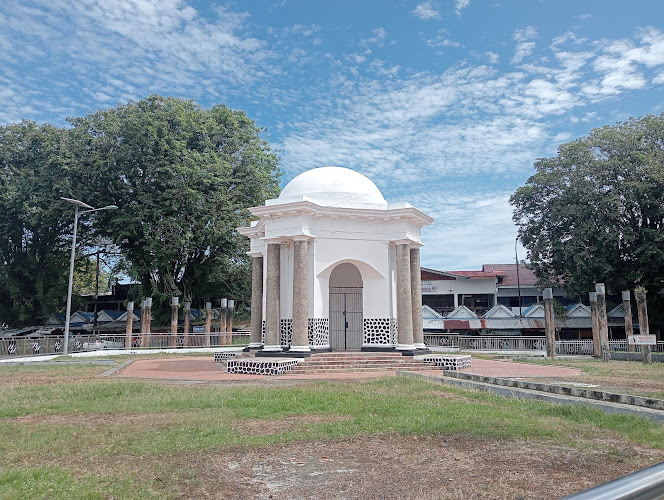
Thomas Parr Monument
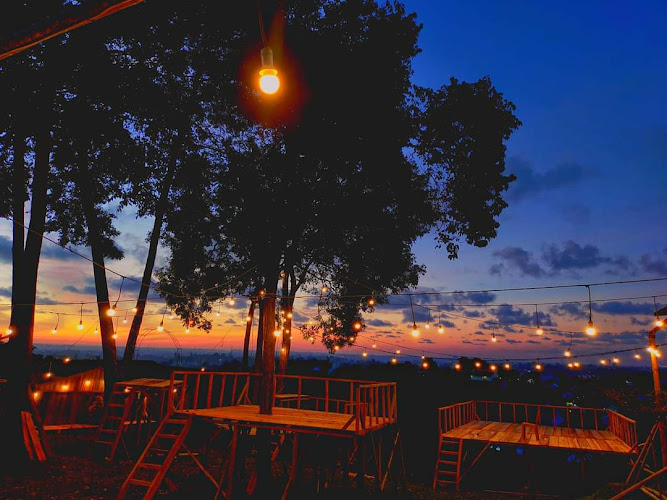
Wisata Puncak Kota Bengkulu
Find Accommodations Nearby
Recommended Tours & Activities
Visitor Reviews
There are no reviews yet. Be the first one to write one.
Share Your Experience
Have you visited Monumen perjuangan? Help other travelers by leaving a review.