
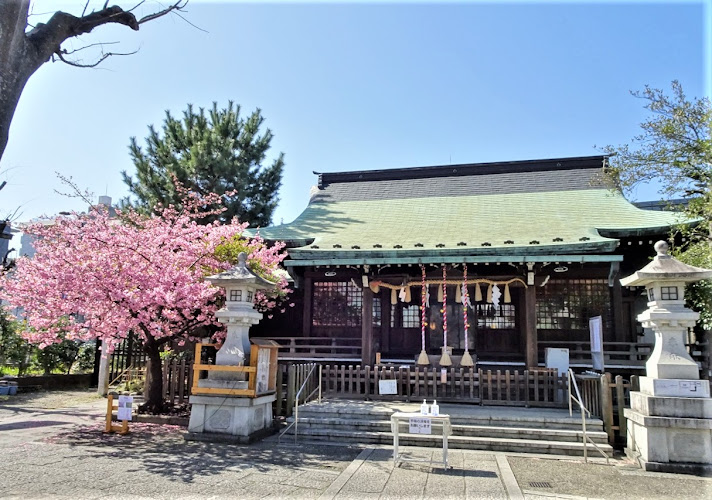
Shimoochiai Hikawa Shrine
About Shimoochiai Hikawa Shrine
Description
Shimoochiai Hikawa Shrine is one of those Tokyo places that doesn’t shout for attention. And honestly, that’s part of its charm. Tucked into a residential pocket of Shinjuku, this Shinto shrine feels like a pause button on the city. You step through the torii gate and suddenly the noise drops, your shoulders lower, and your pace slows down without you even noticing. It’s not flashy, not overrun by tour buses, and not trying to be anything other than what it has always been: a local place of worship that quietly welcomes outsiders.
The shrine is dedicated to deities associated with protection, harmony, and community. Locals come here to pray for everyday things—health, safe travels, exam success, smooth family life. Watching that rhythm is one of the most interesting parts of visiting. Early mornings often bring elderly neighbors sweeping the grounds, parents with small kids bowing politely, and office workers stopping by before heading to the train. It feels lived-in, real. Not staged.
I first came here by accident. I was wandering around after missing a train (classic me), saw a torii gate between apartment buildings, and followed it out of curiosity. Thirty minutes later, I was still there, sitting on a bench, listening to leaves move in the wind and thinking about absolutely nothing. In Tokyo, that’s rare. Shimoochiai Hikawa Shrine has that effect on people.
Architecturally, it’s understated but elegant. The main hall is traditional Shinto style, with clean lines, natural wood, and subtle decorative details that reward slow observation. There’s no loud signage explaining everything, so you’re encouraged to look, feel, and ask yourself questions. And if you’re into photography, the light filtering through the trees can be surprisingly good, especially in the afternoon.
As a tourist attraction, it sits in an interesting middle ground. It’s known enough to be respected, but not famous enough to be crowded. That balance makes it ideal for travelers who want to understand Tokyo beyond shopping streets and observation decks. And yeah, it may not blow your mind in a dramatic way, but it stays with you. The quiet kind of memorable.
Key Features
- Traditional Shinto shrine dedicated to protective and community-focused deities
- Calm, tree-lined grounds that feel removed from the surrounding city
- Main worship hall with classic architectural elements and natural materials
- Local atmosphere with regular neighborhood visitors and rituals
- Seasonal changes visible in foliage, decorations, and festivals
- Compact layout that’s easy to explore without feeling rushed
- Photogenic torii gate and approach path, especially in soft daylight
- Omamori and ema available for prayers and wishes
Best Time to Visit
The best time to visit Shimoochiai Hikawa Shrine depends on what you’re after. If you want absolute calm, aim for weekday mornings. That’s when the shrine feels almost private, aside from a few locals doing their daily prayers. There’s something grounding about hearing the sound of gravel under your shoes and nothing else.
Late afternoon is my personal favorite. The light gets warmer, shadows stretch across the grounds, and the shrine seems to soften around the edges. It’s also a good time for photos if that’s your thing. Weekends bring more visitors, but still nothing overwhelming. You’ll notice families and couples, and the atmosphere becomes gently social rather than busy.
Seasonally, spring and autumn stand out. Cherry blossoms don’t dominate the grounds like at famous parks, but there are enough to make it feel special when they bloom. Autumn brings color and cooler air, which somehow makes the place feel even more contemplative. Summer can be humid, sure, but the shade from the trees helps. Winter is quiet and crisp, and there’s a kind of honesty to seeing the shrine without decoration.
Festivals and special observances happen throughout the year, though they’re more community-focused than tourist-oriented. If you happen to visit during one, consider it luck. Just be respectful, stay out of the way when needed, and observe. That’s usually enough.
How to Get There
Getting to Shimoochiai Hikawa Shrine is straightforward, which is another reason it works well for travelers who don’t want to overthink logistics. It’s located within walking distance of several train stations in the Shinjuku area. From the station, you’ll pass through regular streets—apartment buildings, small shops, maybe a vending machine or two. No dramatic lead-up. And then suddenly, the torii gate appears.
I always tell people to enjoy that walk. Don’t rush it. This shrine isn’t about ticking a box; it’s about transition. Going from train noise to shrine quiet is part of the experience. If you’re using navigation on your phone, double-check as you get close. The entrance can be easy to miss if you’re staring at the screen too hard. Look up. That helps.
If you’re exploring Shinjuku over a few days, this shrine fits nicely between busier attractions. It’s a good reset point, especially if crowds and neon signs have started to blur together.
Tips for Visiting
First, slow down. Seriously. This isn’t a place to power-walk through. Take a few minutes to stand at the entrance, breathe, and let your brain catch up with your body. Tokyo can be intense, and places like Shimoochiai Hikawa Shrine are where that intensity dissolves.
Second, observe basic shrine etiquette. Bow lightly at the torii gate, cleanse your hands at the purification fountain if you choose to participate, and be mindful around the main hall. You don’t need to be perfect; sincerity matters more than precision. I’ve seen plenty of visitors awkwardly fumble through the motions, and nobody minds.
Third, be discreet with photos. Photography is generally allowed, but this is still a place of worship. If someone is praying, give them space. Put the camera down once in a while and just look. Some of my strongest memories from this shrine aren’t photographed at all.
If you’re interested in omamori or ema, take time to read the options. They often reflect everyday hopes, not just big dramatic wishes. That’s kind of beautiful. And don’t stress about language barriers; the staff and volunteers are usually patient, and pointing works just fine.
Lastly, don’t expect spectacle. Expect calm. Shimoochiai Hikawa Shrine rewards visitors who arrive curious and leave unhurried. If you give it that energy, it gives something back. I can’t really explain what that something is. But you’ll know when you feel it.
Key Features
- Traditional Shinto shrine dedicated to protective and community-focused deities
- Calm, tree-lined grounds that feel removed from the surrounding city
- Main worship hall with classic architectural elements and natural materials
- Local atmosphere with regular neighborhood visitors and rituals
- Seasonal changes visible in foliage, decorations, and festivals
- Compact layout that’s easy to explore without feeling rushed
- Photogenic torii gate and approach path, especially in soft daylight
- Omamori and ema available for prayers and wishes
Tours & Activities
GetYourGuide provides this tour inventory. We may earn a commission if you book through it; verify current availability, prices, and terms with the provider.
Visitor Reviews
There are no reviews yet. Be the first one to write one.
Share Your Experience
Have you visited Shimoochiai Hikawa Shrine? Help other travelers by leaving a review.