
Techniquest
About Techniquest
Description
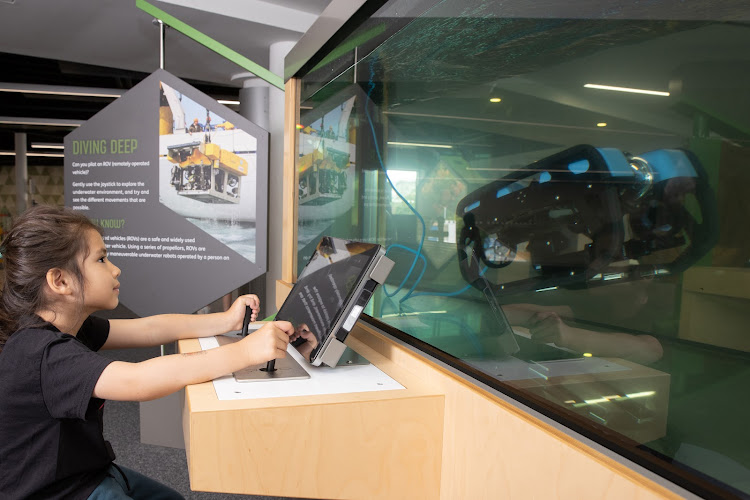
Techniquest sits firmly in that sweet spot between fun and genuinely educational, and that’s harder to pull off than it sounds. It’s a hands-on science museum that doesn’t talk down to you, even if you arrive with kids in tow, or if you’re a grown adult who still secretly loves pressing buttons to see what happens. The whole place is built around interaction. Nothing is meant to be stared at from a distance. You touch things, spin things, mess with levers, and sometimes you get it wrong first time. And honestly, that’s kind of the point. The museum has been around long enough to know what works. You can feel that confidence in the way exhibits are laid out and explained. It’s not flashy for the sake of it, but it’s also not dusty or old-fashioned. Science here is treated as something alive and curious, not a textbook subject you had to suffer through at school. And yes, there are moments where it feels geared more toward younger visitors, but adults often find themselves lingering longer than expected. I’ve watched plenty of parents pretend they’re “just supervising” while quietly racing their kids on reaction-time games. There’s a real emphasis on learning through play. Physics, biology, space, engineering, sound, light—it’s all woven together in ways that make sense, even if you’ve forgotten most of what you learned in class years ago. And if you’re traveling with kids, this is one of those rare attractions where you don’t feel guilty about screen-free time. They’re learning, but they don’t notice they’re learning. That’s a win. That said, it’s not perfect, and that’s okay. Some exhibits can feel a bit crowded during peak times, and a few displays show their age. But those quirks add to its charm rather than detract from it. It feels like a place that evolves slowly, thoughtfully, instead of chasing trends. As a traveler, that’s refreshing. You’re not walking into a gimmick. You’re stepping into a space that genuinely cares about sparking curiosity, no matter how old you are.Key Features
- Hands-on science exhibits that encourage touching, testing, and experimenting rather than passive viewing
- Live science shows and demonstrations that break complex ideas into entertaining, easy-to-follow moments
- A planetarium experience that adds a calm, awe-filled break from the buzz of the main floor
- Family-friendly layout with clear signage, wide walkways, and space for strollers or wheelchairs
- Strong focus on accessibility, including hearing loops, wheelchair access, and inclusive facilities
- On-site café and restaurant for refueling without having to leave mid-visit (trust me, that matters)
- Gift shop stocked with science toys that are actually educational, not just plastic clutter
- Regular seasonal events and workshops that give repeat visitors something new to look forward to
Best Time to Visit
Timing your visit can make a big difference, especially if you prefer a little breathing room between exhibits. Weekday mornings during school term are generally calmer, and you’ll notice the difference immediately. There’s more space to linger, to read the panels, to let kids repeat an experiment five times without feeling rushed. If you’re traveling without kids, this is hands-down the best window. Weekends and school holidays are livelier. Not chaotic, but definitely louder and more energetic. Some people love that buzz. Others don’t. If you fall into the second camp, arriving right when doors open or later in the afternoon usually helps. Midday tends to be peak time, especially on rainy days. And yes, rainy days make this place busier, because it’s exactly where families go when the weather refuses to cooperate. Seasonally, Techniquest works year-round. There’s no bad time of year, which makes it a reliable stop on any travel itinerary. Winter visits feel cozy and focused, while summer brings a bit more energy and longer days that pair nicely with exploring nearby areas afterward. Personally, I like autumn visits. Fewer crowds, kids back in school, and that feeling that you’ve discovered something without fighting for elbow room.How to Get There
Getting to Techniquest is fairly straightforward, even if you’re not familiar with the area. It’s located in a well-developed part of the city that’s designed for visitors, not just locals rushing to work. Public transport options are reliable, and if you enjoy walking, the surrounding area makes for a pleasant approach rather than a dull trek through back streets. For travelers using buses or trains, the final stretch is usually a short walk, and it’s clearly signposted. Drivers will find parking options nearby, including accessible spaces, though availability can vary during busy periods. If you’re relying on rideshares or taxis, drop-off is simple and stress-free, which is a small detail that makes a big difference when you’re traveling with kids or juggling bags. And if you’re already exploring nearby attractions, Techniquest fits neatly into a day without feeling out of the way. That’s something I appreciate as a traveler. You don’t want one stop to hijack your entire schedule. This one slots in comfortably, whether it’s your main plan for the day or part of a broader wander.Tips for Visiting
First tip, and this comes from experience: book tickets in advance if you can. It saves time and removes that low-level stress of wondering if you’ll get in, especially during busy periods. Plus, it lets you walk in feeling organized, even if the rest of your travel plans are a bit loose. Give yourself more time than you think you’ll need. Many visitors assume two hours is plenty, then end up staying much longer. Kids in particular don’t like being rushed through interactive exhibits. And adults often get caught up too. I once planned a quick visit and somehow lost half a day. No regrets. Dress comfortably. This isn’t a place for standing still. You’ll be moving, bending, reaching, and occasionally crouching to kid-height. Layers help, as indoor temperatures can vary depending on crowd levels. And wear shoes you don’t mind standing in for a while. Use the facilities strategically. The café is a lifesaver when energy dips, but it can get busy at standard lunch times. Either eat a bit earlier or later, or bring snacks if that’s an option for you. Hydration helps too, especially for kids who forget they’re tired until they suddenly aren’t coping. Talk to the staff. This sounds obvious, but it’s overlooked. They’re knowledgeable, approachable, and often happy to explain how exhibits work or suggest areas you might enjoy based on your interests. A quick chat can genuinely improve your visit. Finally, let go of the idea that you need to see everything. You don’t. Focus on what grabs your attention. Science is personal like that. One person might spend ages in the physics zone, another gets hooked on space, another on sound and perception. Follow that curiosity. That’s what Techniquest is really about anyway.Key Features
- Hands-on science exhibits that encourage touching, testing, and experimenting rather than passive viewing
- Live science shows and demonstrations that break complex ideas into entertaining, easy-to-follow moments
- A planetarium experience that adds a calm, awe-filled break from the buzz of the main floor
- Family-friendly layout with clear signage, wide walkways, and space for strollers or wheelchairs
- Strong focus on accessibility, including hearing loops, wheelchair access, and inclusive facilities
- On-site café and restaurant for refueling without having to leave mid-visit (trust me, that matters)
- Gift shop stocked with science toys that are actually educational, not just plastic clutter
- Regular seasonal events and workshops that give repeat visitors something new to look forward to
More Details
Updated December 31, 2025
Table of Contents
Description
Techniquest sits firmly in that sweet spot between fun and genuinely educational, and that’s harder to pull off than it sounds. It’s a hands-on science museum that doesn’t talk down to you, even if you arrive with kids in tow, or if you’re a grown adult who still secretly loves pressing buttons to see what happens. The whole place is built around interaction. Nothing is meant to be stared at from a distance. You touch things, spin things, mess with levers, and sometimes you get it wrong first time. And honestly, that’s kind of the point.
The museum has been around long enough to know what works. You can feel that confidence in the way exhibits are laid out and explained. It’s not flashy for the sake of it, but it’s also not dusty or old-fashioned. Science here is treated as something alive and curious, not a textbook subject you had to suffer through at school. And yes, there are moments where it feels geared more toward younger visitors, but adults often find themselves lingering longer than expected. I’ve watched plenty of parents pretend they’re “just supervising” while quietly racing their kids on reaction-time games.
There’s a real emphasis on learning through play. Physics, biology, space, engineering, sound, light—it’s all woven together in ways that make sense, even if you’ve forgotten most of what you learned in class years ago. And if you’re traveling with kids, this is one of those rare attractions where you don’t feel guilty about screen-free time. They’re learning, but they don’t notice they’re learning. That’s a win.
That said, it’s not perfect, and that’s okay. Some exhibits can feel a bit crowded during peak times, and a few displays show their age. But those quirks add to its charm rather than detract from it. It feels like a place that evolves slowly, thoughtfully, instead of chasing trends. As a traveler, that’s refreshing. You’re not walking into a gimmick. You’re stepping into a space that genuinely cares about sparking curiosity, no matter how old you are.
Key Features
- Hands-on science exhibits that encourage touching, testing, and experimenting rather than passive viewing
- Live science shows and demonstrations that break complex ideas into entertaining, easy-to-follow moments
- A planetarium experience that adds a calm, awe-filled break from the buzz of the main floor
- Family-friendly layout with clear signage, wide walkways, and space for strollers or wheelchairs
- Strong focus on accessibility, including hearing loops, wheelchair access, and inclusive facilities
- On-site café and restaurant for refueling without having to leave mid-visit (trust me, that matters)
- Gift shop stocked with science toys that are actually educational, not just plastic clutter
- Regular seasonal events and workshops that give repeat visitors something new to look forward to
Best Time to Visit
Timing your visit can make a big difference, especially if you prefer a little breathing room between exhibits. Weekday mornings during school term are generally calmer, and you’ll notice the difference immediately. There’s more space to linger, to read the panels, to let kids repeat an experiment five times without feeling rushed. If you’re traveling without kids, this is hands-down the best window.
Weekends and school holidays are livelier. Not chaotic, but definitely louder and more energetic. Some people love that buzz. Others don’t. If you fall into the second camp, arriving right when doors open or later in the afternoon usually helps. Midday tends to be peak time, especially on rainy days. And yes, rainy days make this place busier, because it’s exactly where families go when the weather refuses to cooperate.
Seasonally, Techniquest works year-round. There’s no bad time of year, which makes it a reliable stop on any travel itinerary. Winter visits feel cozy and focused, while summer brings a bit more energy and longer days that pair nicely with exploring nearby areas afterward. Personally, I like autumn visits. Fewer crowds, kids back in school, and that feeling that you’ve discovered something without fighting for elbow room.
How to Get There
Getting to Techniquest is fairly straightforward, even if you’re not familiar with the area. It’s located in a well-developed part of the city that’s designed for visitors, not just locals rushing to work. Public transport options are reliable, and if you enjoy walking, the surrounding area makes for a pleasant approach rather than a dull trek through back streets.
For travelers using buses or trains, the final stretch is usually a short walk, and it’s clearly signposted. Drivers will find parking options nearby, including accessible spaces, though availability can vary during busy periods. If you’re relying on rideshares or taxis, drop-off is simple and stress-free, which is a small detail that makes a big difference when you’re traveling with kids or juggling bags.
And if you’re already exploring nearby attractions, Techniquest fits neatly into a day without feeling out of the way. That’s something I appreciate as a traveler. You don’t want one stop to hijack your entire schedule. This one slots in comfortably, whether it’s your main plan for the day or part of a broader wander.
Tips for Visiting
First tip, and this comes from experience: book tickets in advance if you can. It saves time and removes that low-level stress of wondering if you’ll get in, especially during busy periods. Plus, it lets you walk in feeling organized, even if the rest of your travel plans are a bit loose.
Give yourself more time than you think you’ll need. Many visitors assume two hours is plenty, then end up staying much longer. Kids in particular don’t like being rushed through interactive exhibits. And adults often get caught up too. I once planned a quick visit and somehow lost half a day. No regrets.
Dress comfortably. This isn’t a place for standing still. You’ll be moving, bending, reaching, and occasionally crouching to kid-height. Layers help, as indoor temperatures can vary depending on crowd levels. And wear shoes you don’t mind standing in for a while.
Use the facilities strategically. The café is a lifesaver when energy dips, but it can get busy at standard lunch times. Either eat a bit earlier or later, or bring snacks if that’s an option for you. Hydration helps too, especially for kids who forget they’re tired until they suddenly aren’t coping.
Talk to the staff. This sounds obvious, but it’s overlooked. They’re knowledgeable, approachable, and often happy to explain how exhibits work or suggest areas you might enjoy based on your interests. A quick chat can genuinely improve your visit.
Finally, let go of the idea that you need to see everything. You don’t. Focus on what grabs your attention. Science is personal like that. One person might spend ages in the physics zone, another gets hooked on space, another on sound and perception. Follow that curiosity. That’s what Techniquest is really about anyway.
Key Highlights
- Hands-on science exhibits that encourage touching, testing, and experimenting rather than passive viewing
- Live science shows and demonstrations that break complex ideas into entertaining, easy-to-follow moments
- A planetarium experience that adds a calm, awe-filled break from the buzz of the main floor
- Family-friendly layout with clear signage, wide walkways, and space for strollers or wheelchairs
- Strong focus on accessibility, including hearing loops, wheelchair access, and inclusive facilities
- On-site café and restaurant for refueling without having to leave mid-visit (trust me, that matters)
- Gift shop stocked with science toys that are actually educational, not just plastic clutter
- Regular seasonal events and workshops that give repeat visitors something new to look forward to
Location
Places to Stay Near Techniquest
Find and Book a Tour
Explore More Travel Guides
No reviews found! Be the first to review!
Traveler Reviews for Techniquest
There are no reviews yet. Be the first one to write one.
Have you visited Techniquest? Help other travelers by sharing your review.
You Might Also Like
Parc Cefn Onn

Firing Line Cardiff Castle Museum of the Welsh Soldier

Exitus Escape Rooms
Find Accommodations Nearby
Recommended Tours & Activities
Visitor Reviews
There are no reviews yet. Be the first one to write one.
Share Your Experience
Have you visited Techniquest? Help other travelers by leaving a review.