
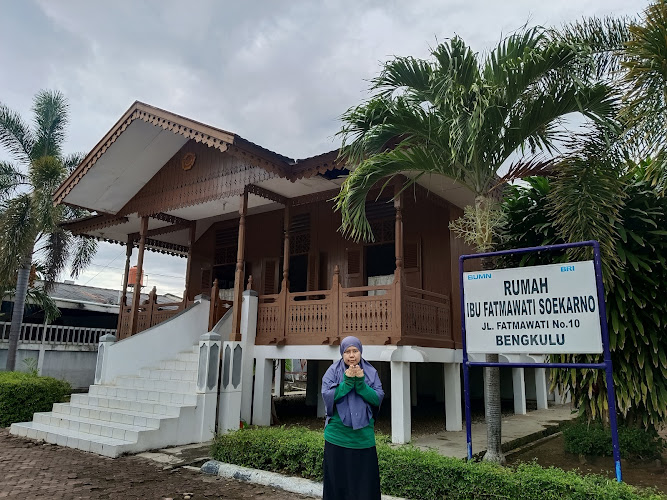
Ibu Fatmawati Soekarno’s House
About Ibu Fatmawati Soekarno’s House
Description
Ibu Fatmawati Soekarno’s House is one of those places that doesn’t shout for attention, and that’s exactly why it works. This heritage museum is less about polished displays and more about quiet context. It tells a personal story tied closely to the birth of a nation, but without the stiffness you sometimes feel in historical attractions. And honestly, that’s refreshing.
For travelers interested in Indonesian history beyond textbooks, this house gives a grounded perspective. Fatmawati wasn’t just the wife of Indonesia’s first president; she was a woman with opinions, routines, and responsibilities that shaped daily life during a pivotal time. Walking through the rooms, you sense that history here was lived, not staged. The furniture isn’t flashy. The layout feels practical. And that’s the point.
I remember visiting a similar heritage home years ago and feeling oddly emotional about a simple sewing table. This place does that too. Fatmawati famously sewed the first Indonesian flag, and while the house doesn’t over-dramatize that fact, the weight of it hangs in the air. You start imagining late nights, the hum of thought, the pressure of history quietly pressing in.
The museum is family-friendly, and kids usually do better here than in larger museums. They can move room to room without getting overwhelmed. There’s also a restroom on-site, which sounds like a small thing but matters more than guidebooks admit. Don’t expect a café or restaurant though. This is a place you visit, reflect, and then move on.
One thing worth mentioning: the house isn’t fully accessible for wheelchair users. The structure reflects its era, and while that adds authenticity, it can be limiting for some visitors. It’s not ideal, but it’s honest. And if you’re planning ahead, knowing this helps avoid disappointment.
Overall, the experience tends to leave people thoughtful rather than wowed. Some visitors come expecting grand displays and leave slightly underwhelmed. Others, myself included, appreciate the restraint. It’s a reminder that not all important places need to be loud.
Key Features
- Original family home preserved as a heritage museum
- Personal artifacts related to Ibu Fatmawati’s daily life
- Historical context about Indonesia’s early independence period
- Quiet, reflective atmosphere ideal for slow exploration
- Educational for children without being overwhelming
- On-site restroom for visitor convenience
- Authentic layout that reflects mid-20th-century domestic life
Best Time to Visit
Timing matters here, more than you might think. The best time to visit Ibu Fatmawati Soekarno’s House is in the morning, ideally before midday. The air feels lighter, and the rooms are easier to linger in without feeling rushed. By afternoon, especially on weekends, small groups tend to arrive, and the quiet mood shifts a bit.
Weekdays are your friend. If you can manage a visit from Monday to Friday, you’ll likely have more space to yourself. I once went on a weekday morning and found myself alone in one of the rooms for a good ten minutes. No noise, no rush. Just time to actually think. That kind of moment sticks with you.
Seasonally, dry months make the overall travel experience smoother. Rain doesn’t ruin the visit, but it can make getting there slower and less pleasant. And since there’s no restaurant on-site, you’ll probably want to plan meals around your visit, which is easier when the weather behaves.
Public holidays can be tricky. On one hand, there’s more energy and sometimes informal explanations from staff or guides. On the other hand, it gets crowded quickly. If you like calm spaces, maybe skip those days.
How to Get There
Getting to the house is fairly straightforward, especially if you’re already familiar with navigating Indonesian cities. Most travelers use a combination of taxis, ride-hailing apps, or private drivers. If you’re staying nearby, a short ride is usually all it takes.
Public transportation can work, but it requires patience and a bit of confidence. Routes aren’t always clearly marked, and stops may not be announced. If you’re the adventurous type, it’s doable. If not, a taxi saves time and mental energy. And sometimes, saving mental energy is worth the extra cost.
Parking is available, but it’s not designed for heavy traffic. If you’re driving yourself, aim to arrive early. Late arrivals might mean circling the area or parking farther away than expected.
One small tip from personal experience: let your driver know you’re visiting a heritage museum, not just a house. It avoids confusion and gets you closer to the right entrance.
Tips for Visiting
First, adjust your expectations. This isn’t a massive museum with interactive screens and dramatic lighting. It’s a preserved home. If you go in with that mindset, you’ll enjoy it more.
Take your time. The house doesn’t demand hours, but rushing through misses the point. Pause in each room. Read the notes. Imagine the routines that once filled the space. I like to stand by windows in places like this. Sounds odd, I know. But windows tell stories too.
Bring kids, but prepare them a little beforehand. Let them know it’s about real people, not fictional heroes. Kids tend to connect better when they understand why a place matters. And yes, they’ll probably ask where the TV is. That’s okay.
Photography rules may vary, so ask before snapping away. Even if photos are allowed, I’d suggest limiting them. Sometimes experiencing a place without a lens feels more honest.
There’s no restaurant, so eat before or after. Carry water, especially if you’re visiting during warmer months. And wear comfortable shoes. The house isn’t huge, but standing and walking on older floors can be tiring.
Lastly, be respectful. This was a family home before it was a museum. That feeling still lingers. Lower your voice. Move gently. You’re not just visiting an attraction; you’re stepping into someone’s life, even if only for a short while.
And if you leave feeling quietly thoughtful rather than excited, that’s a win. Some places aren’t meant to entertain. They’re meant to remind.
Key Features
- Original family home preserved as a heritage museum
- Personal artifacts related to Ibu Fatmawati’s daily life
- Historical context about Indonesia’s early independence period
- Quiet, reflective atmosphere ideal for slow exploration
- Educational for children without being overwhelming
- On-site restroom for visitor convenience
- Authentic layout that reflects mid-20th-century domestic life
More Details
Updated December 31, 2025
Table of Contents
Description
Ibu Fatmawati Soekarno’s House is one of those places that doesn’t shout for attention, and that’s exactly why it works. This heritage museum is less about polished displays and more about quiet context. It tells a personal story tied closely to the birth of a nation, but without the stiffness you sometimes feel in historical attractions. And honestly, that’s refreshing.
For travelers interested in Indonesian history beyond textbooks, this house gives a grounded perspective. Fatmawati wasn’t just the wife of Indonesia’s first president; she was a woman with opinions, routines, and responsibilities that shaped daily life during a pivotal time. Walking through the rooms, you sense that history here was lived, not staged. The furniture isn’t flashy. The layout feels practical. And that’s the point.
I remember visiting a similar heritage home years ago and feeling oddly emotional about a simple sewing table. This place does that too. Fatmawati famously sewed the first Indonesian flag, and while the house doesn’t over-dramatize that fact, the weight of it hangs in the air. You start imagining late nights, the hum of thought, the pressure of history quietly pressing in.
The museum is family-friendly, and kids usually do better here than in larger museums. They can move room to room without getting overwhelmed. There’s also a restroom on-site, which sounds like a small thing but matters more than guidebooks admit. Don’t expect a café or restaurant though. This is a place you visit, reflect, and then move on.
One thing worth mentioning: the house isn’t fully accessible for wheelchair users. The structure reflects its era, and while that adds authenticity, it can be limiting for some visitors. It’s not ideal, but it’s honest. And if you’re planning ahead, knowing this helps avoid disappointment.
Overall, the experience tends to leave people thoughtful rather than wowed. Some visitors come expecting grand displays and leave slightly underwhelmed. Others, myself included, appreciate the restraint. It’s a reminder that not all important places need to be loud.
Key Features
- Original family home preserved as a heritage museum
- Personal artifacts related to Ibu Fatmawati’s daily life
- Historical context about Indonesia’s early independence period
- Quiet, reflective atmosphere ideal for slow exploration
- Educational for children without being overwhelming
- On-site restroom for visitor convenience
- Authentic layout that reflects mid-20th-century domestic life
Best Time to Visit
Timing matters here, more than you might think. The best time to visit Ibu Fatmawati Soekarno’s House is in the morning, ideally before midday. The air feels lighter, and the rooms are easier to linger in without feeling rushed. By afternoon, especially on weekends, small groups tend to arrive, and the quiet mood shifts a bit.
Weekdays are your friend. If you can manage a visit from Monday to Friday, you’ll likely have more space to yourself. I once went on a weekday morning and found myself alone in one of the rooms for a good ten minutes. No noise, no rush. Just time to actually think. That kind of moment sticks with you.
Seasonally, dry months make the overall travel experience smoother. Rain doesn’t ruin the visit, but it can make getting there slower and less pleasant. And since there’s no restaurant on-site, you’ll probably want to plan meals around your visit, which is easier when the weather behaves.
Public holidays can be tricky. On one hand, there’s more energy and sometimes informal explanations from staff or guides. On the other hand, it gets crowded quickly. If you like calm spaces, maybe skip those days.
How to Get There
Getting to the house is fairly straightforward, especially if you’re already familiar with navigating Indonesian cities. Most travelers use a combination of taxis, ride-hailing apps, or private drivers. If you’re staying nearby, a short ride is usually all it takes.
Public transportation can work, but it requires patience and a bit of confidence. Routes aren’t always clearly marked, and stops may not be announced. If you’re the adventurous type, it’s doable. If not, a taxi saves time and mental energy. And sometimes, saving mental energy is worth the extra cost.
Parking is available, but it’s not designed for heavy traffic. If you’re driving yourself, aim to arrive early. Late arrivals might mean circling the area or parking farther away than expected.
One small tip from personal experience: let your driver know you’re visiting a heritage museum, not just a house. It avoids confusion and gets you closer to the right entrance.
Tips for Visiting
First, adjust your expectations. This isn’t a massive museum with interactive screens and dramatic lighting. It’s a preserved home. If you go in with that mindset, you’ll enjoy it more.
Take your time. The house doesn’t demand hours, but rushing through misses the point. Pause in each room. Read the notes. Imagine the routines that once filled the space. I like to stand by windows in places like this. Sounds odd, I know. But windows tell stories too.
Bring kids, but prepare them a little beforehand. Let them know it’s about real people, not fictional heroes. Kids tend to connect better when they understand why a place matters. And yes, they’ll probably ask where the TV is. That’s okay.
Photography rules may vary, so ask before snapping away. Even if photos are allowed, I’d suggest limiting them. Sometimes experiencing a place without a lens feels more honest.
There’s no restaurant, so eat before or after. Carry water, especially if you’re visiting during warmer months. And wear comfortable shoes. The house isn’t huge, but standing and walking on older floors can be tiring.
Lastly, be respectful. This was a family home before it was a museum. That feeling still lingers. Lower your voice. Move gently. You’re not just visiting an attraction; you’re stepping into someone’s life, even if only for a short while.
And if you leave feeling quietly thoughtful rather than excited, that’s a win. Some places aren’t meant to entertain. They’re meant to remind.
Key Highlights
- Original family home preserved as a heritage museum
- Personal artifacts related to Ibu Fatmawati’s daily life
- Historical context about Indonesia’s early independence period
- Quiet, reflective atmosphere ideal for slow exploration
- Educational for children without being overwhelming
- On-site restroom for visitor convenience
- Authentic layout that reflects mid-20th-century domestic life
Location
Places to Stay Near Ibu Fatmawati Soekarno's House
Find and Book a Tour
Explore More Travel Guides
No reviews found! Be the first to review!
Traveler Reviews for Ibu Fatmawati Soekarno’s House
There are no reviews yet. Be the first one to write one.
Have you visited Ibu Fatmawati Soekarno’s House? Help other travelers by sharing your review.
You Might Also Like

Pantai panjang bengkulu
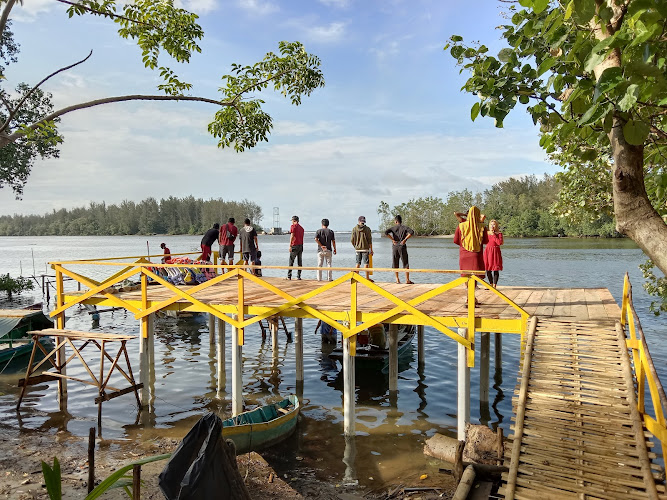
Kampung Jenggalu Kito

Bengkulu Museum
Find Accommodations Nearby
Recommended Tours & Activities
Visitor Reviews
There are no reviews yet. Be the first one to write one.
Share Your Experience
Have you visited Ibu Fatmawati Soekarno’s House? Help other travelers by leaving a review.