
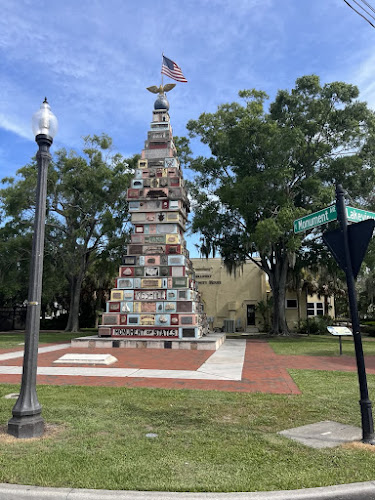
Monument of States
About Monument of States
The Monument of States is one of those places that sneaks up on you. It doesn’t shout for attention the way a massive statue or sprawling battlefield does. Instead, it sits there, pyramid-shaped and a little odd, quietly telling a big American story through small pieces of stone. Built in 1943, right in the thick of World War II, this historical landmark was constructed using stones collected from all 50 states. That detail alone stops most travelers mid-step. All fifty. In one place. And yes, you can see them, touch them, and ponder how on earth someone thought this up during such a tense moment in history.
When I first visited, I honestly didn’t expect much. A monument made of rocks? But standing there, reading the plaques and noticing the subtle differences in texture and color, it started to feel surprisingly emotional. Each stone represents a state’s contribution, not just geographically but symbolically, like a physical reminder of unity during a fractured time. And maybe I was just having a reflective day, but it hit me harder than expected.
The pyramid design is quirky, no way around that. It doesn’t follow the traditional monument rulebook. Some people love that; others scratch their heads. But that’s kind of the point. This place isn’t polished or grandiose. It’s earnest. It feels like something built by people who believed deeply in cooperation and wanted to leave behind a tangible reminder of it. And if you’re the kind of traveler who enjoys discovering lesser-known landmarks with real stories behind them, this one sticks with you.
It’s also an easy stop, which makes it perfect for families, history buffs, road trippers, and anyone who likes their sightseeing low-pressure. You won’t need hours here, but you’ll probably spend more time than you think. I did. And I wasn’t alone; visitors tend to linger, reading, pointing, chatting quietly. That says something.
Key Features
- Pyramid-shaped design that feels unusual and memorable, especially compared to traditional monuments
- Constructed in 1943 using stones from all 50 U.S. states, each contributing a physical piece
- Historical context tied to World War II and the idea of national unity during hardship
- Clearly marked plaques explaining the origins and purpose of the monument
- Wheelchair accessible entrance and parking, making it easier for all travelers to explore
- Open, outdoor setting that’s good for kids who need space to move around
- A quieter, less crowded experience compared to major tourist-heavy landmarks
Best Time to Visit
The Monument of States is an outdoor experience, so weather plays a role. Late fall through early spring tends to be the sweet spot, especially if you prefer cooler temperatures and fewer people around. Winter mornings, in particular, have a calm, reflective feel that matches the monument’s tone. I once visited on a crisp morning when the air was still, and it made the whole place feel almost sacred. No rush, no noise, just time to think.
Summer visits are doable, but plan accordingly. Midday heat can make the experience shorter than you might like. If you’re visiting during warmer months, aim for early morning or late afternoon. The light at those times also brings out the different colors in the stones, which is something photos don’t always capture well.
Weekdays are generally quieter than weekends, though it never feels overwhelmingly busy. That’s part of its charm. If you enjoy having space to read plaques without feeling someone breathing down your neck, weekdays are your friend. And if you’re traveling with kids, mornings tend to work best before attention spans wander.
How to Get There
Getting to the Monument of States is refreshingly straightforward, which is a big plus if you’re road-tripping or squeezing it into a packed travel day. It’s accessible by car, and parking is usually easy to find. You won’t be circling the block or negotiating tight garages, which I deeply appreciate as someone who has zero patience for parking drama.
If you’re already exploring the surrounding area, it makes for a perfect stop between larger attractions. The monument doesn’t demand a full itinerary reshuffle. You can pop in, explore at your own pace, and be on your way feeling like you discovered something meaningful rather than just ticking a box.
Public transportation options may vary depending on where you’re coming from, so checking local routes ahead of time is smart. But honestly, this is one of those places where having a car makes things simpler. And simpler is good when you’re traveling.
Tips for Visiting
First tip: slow down. This isn’t a selfie-and-go kind of place. Take time to read the plaques and really look at the stones. Notice how different they are. Some are rough, some smooth, some dark, some pale. It’s oddly grounding.
Second, bring kids if you have them. It’s surprisingly good for younger visitors. There’s enough open space for them to move around, and the idea of stones from every state sparks curiosity. I overheard one kid trying to guess which stone came from where, and it turned into a whole geography lesson on the fly. Not bad for a monument visit.
Third, don’t expect perfection. This place has a bit of wear, and that’s okay. In fact, it adds character. It reminds you that this monument has been standing for decades, weathering time just like the ideas it represents. Some travelers want pristine; others appreciate authenticity. I fall into the second camp.
Fourth, take photos but don’t rely on them to capture the experience. The Monument of States feels different in person. Photos flatten it. Being there, walking around it, noticing details—that’s where the value is.
And finally, pair it with a bit of reflection. Sounds cheesy, I know. But this monument was built during a time when unity mattered deeply. Standing there now, in a very different era, it’s hard not to think about what holds us together today. Travel does that sometimes. It sneaks in a little perspective when you’re not looking.
If you’re the kind of traveler who enjoys history that feels human, imperfect, and sincere, the Monument of States is worth your time. It won’t overwhelm you. It won’t rush you. But it might stay with you longer than you expect. And honestly, that’s my favorite kind of place to visit.
Key Features
- Pyramid-shaped design that feels unusual and memorable, especially compared to traditional monuments
- Constructed in 1943 using stones from all 50 U.S. states, each contributing a physical piece
- Historical context tied to World War II and the idea of national unity during hardship
- Clearly marked plaques explaining the origins and purpose of the monument
- Wheelchair accessible entrance and parking, making it easier for all travelers to explore
- Open, outdoor setting that’s good for kids who need space to move around
- A quieter, less crowded experience compared to major tourist-heavy landmarks
You Might Also Like

Archie Gordon Memorial Park

Bataan-Corregidor Memorial

Bob Makinson Aquatic Center
Tours & Activities
GetYourGuide provides this tour inventory. We may earn a commission if you book through it; verify current availability, prices, and terms with the provider.
Visitor Reviews
There are no reviews yet. Be the first one to write one.
Share Your Experience
Have you visited Monument of States? Help other travelers by leaving a review.