

Basilica di San Miniato
About Basilica di San Miniato
Perched high above Florence, the Basilica di San Miniato feels like the city’s quiet conscience. It watches everything from up there: the Duomo’s dome, the Arno’s lazy bends, the rooftops doing their terracotta thing. Built in the 11th century, this Romanesque church has been standing guard for nearly a thousand years, and honestly, it shows in the best possible way. Time hasn’t polished it smooth. Instead, time gave it texture.
The first thing most travelers notice is the façade. Green and white marble laid out in precise geometric patterns, almost hypnotic if you stare too long. I remember the first time I walked up there, a little sweaty from the climb, thinking, “Okay, another church.” And then I looked up and just stopped. The façade gleams in sunlight like it’s quietly showing off. Not flashy. Confident. Like it knows exactly how good it looks.
Inside, the mood changes. The city noise drops away fast, replaced by cool air and a faint echo of footsteps. The interior is medieval through and through: mosaic floors, ancient columns, and that slightly uneven feeling underfoot that tells you this place has stories. Lots of them. Some people expect big, dramatic art like in Florence’s more famous churches and leave mildly confused. But San Miniato isn’t about excess. It’s about balance, symmetry, and spiritual calm. And yeah, that might not be everyone’s cup of espresso.
The basilica is also tied to the legend of Saint Minias, Florence’s first martyr. According to tradition, he was beheaded and then calmly carried his own head up the hill to this very spot. Wild story, right? But standing there, with the city spread out below you, it weirdly makes sense. This hill feels like a place where legends belong.
And then there’s the view. If you only come for one thing, let it be the panorama. Many locals will quietly tell you this is the best view in Florence, better than the crowded lookout nearby. Early morning or late afternoon, the light hits the city just right, and you’ll find yourself lingering longer than planned. I’ve done that. Missed a bus. Didn’t regret it.
Key Features
- Romanesque marble façade with striking green-and-white geometric patterns that catch the light beautifully
- Medieval interior featuring mosaic floors, ancient columns, and a rare sense of untouched history
- Crypt and elevated choir that add depth and a slightly mysterious atmosphere to the visit
- Panoramic views of Florence that many seasoned travelers consider the best in the city
- Peaceful cemetery surrounding the church, offering a reflective walk among notable Florentine graves
- Active religious site with occasional chanting by monks, which can be unexpectedly moving
- Onsite services that help keep the basilica functioning as both a sacred space and a visitor-friendly attraction
Best Time to Visit
Timing matters here. A lot. Midday, especially in peak season, can feel a bit hectic, with tour groups rolling in and people jostling for photos. It’s still worth it, but the magic softens. If you can, aim for early morning. The light is gentle, the air is cooler, and the basilica feels like it’s just waking up. You might even hear chanting drifting through the nave, which, I’ll admit, gave me goosebumps the first time.
Late afternoon is another sweet spot, especially if you’re chasing that golden-hour glow over Florence. Sunset is popular, yes, but it earns that popularity. Watching the city slowly shift colors from up here is one of those travel moments that sticks. And lingers.
Season-wise, spring and fall are ideal. Summer can be hot, and that uphill walk gets real, real fast. Winter is quieter, and while the air can be chilly, the clarity of the views can be stunning. Plus, fewer people. That alone might convince you.
If you’re sensitive to crowds or just prefer a more contemplative experience, weekdays are better than weekends. Sundays can be busy due to services, so plan around them if you want uninterrupted wandering.
How to Get There
Getting to the Basilica di San Miniato is half the experience, and I mean that literally. It sits on a hill, and hills require effort. You’ve got options though.
Many travelers choose to walk up from the historic center. It’s a steady climb, passing through leafy paths and staircases that feel removed from the bustle below. Wear decent shoes. I learned that lesson the hard way in flimsy sandals, stopping way too often pretending to admire the view while catching my breath.
Public transportation is another solid choice. Buses run up the hill and drop you not too far from the entrance, which is great if your legs are already tired from days of cobblestones. Taxis can also take you close, though walking the last stretch is unavoidable.
For those feeling adventurous, biking is possible, but be warned: it’s a workout. The reward, though, is arriving under your own steam, which feels oddly satisfying when you’re standing above Florence looking down.
Tips for Visiting
First tip: dress appropriately. This is an active church, not a museum. Shoulders and knees should be covered. Even if you’re just popping in quickly, respect goes a long way here.
Second, slow down. This isn’t a place to rush through in ten minutes. Sit for a bit. Let your eyes adjust. Look at the details in the floor mosaics, the pulpit, the quiet symmetry of the space. I once sat there longer than planned just listening to the ambient sounds, footsteps, whispers, the building breathing. Sounds poetic, I know, but it felt real.
Photography is usually allowed, but be mindful. Avoid flash, and if a service is happening, maybe keep the camera in your bag. Some moments are better remembered than captured.
Bring water, especially in warmer months. There aren’t many options right by the church, and that walk back down can sneak up on you.
Don’t skip the cemetery. It’s easy to overlook, but wandering among the graves offers a quieter, more reflective side of Florence. Some notable figures are buried here, and the atmosphere is respectful and calm, not eerie.
If you’re traveling with kids or someone less mobile, plan carefully. The terrain can be uneven, and there are stairs. It’s doable, but it helps to know what you’re getting into.
Finally, manage expectations. Some visitors come expecting another ornate Florentine church and leave underwhelmed. But if you come looking for history, calm, and perspective, San Miniato delivers. It’s not about spectacle. It’s about feeling the weight of centuries and realizing, for a quiet moment, that Florence is more than its postcards.
And honestly? That’s what makes the Basilica di San Miniato special. It doesn’t shout for attention. It waits. And if you meet it on its own terms, it gives you one of the most genuine travel experiences Florence has to offer.
You Might Also Like

Baptistery of St. John

Basilica di San Lorenzo
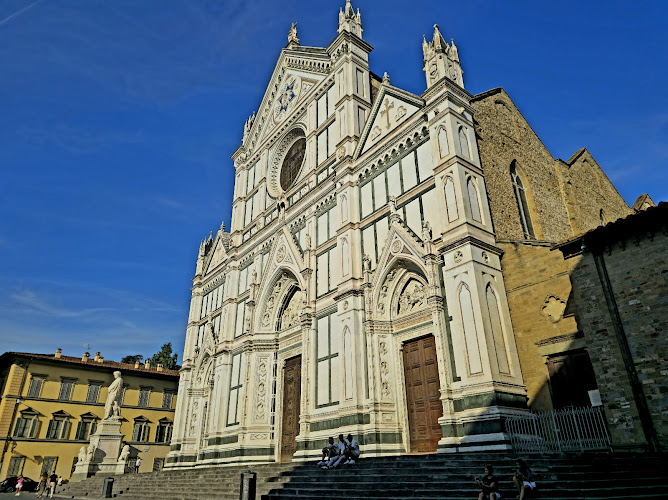
Basilica of Santa Croce in Florence
Tours & Activities
GetYourGuide provides this tour inventory. We may earn a commission if you book through it; verify current availability, prices, and terms with the provider.
Visitor Reviews
There are no reviews yet. Be the first one to write one.
Share Your Experience
Have you visited Basilica di San Miniato? Help other travelers by leaving a review.