
Ang Sepoy at Maglalatik
About Ang Sepoy at Maglalatik
Description
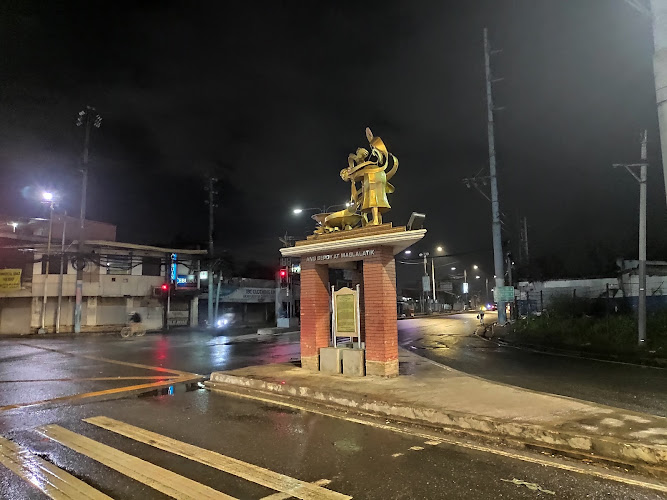
Ang Sepoy at Maglalatik is one of those places that quietly punches above its weight. It doesn’t shout for attention, doesn’t have flashy ticket booths or crowds of tour buses, and yet it sticks with you long after you leave. This historical attraction commemorates the famed Maglalatik dance, a mock battle rooted in a 17th-century conflict between Spanish forces and local Filipinos over coconut products. And yes, that detail alone already makes it more interesting than your average roadside monument.
The Ang Sepoy figure represents the Indian soldiers, known as Sepoys, who fought under the Spanish flag during that period. Seeing the statue in person adds a layer you don’t quite get from textbooks. The posture, the stance, the quiet authority of it all—it invites you to pause. And most travelers do pause here, even if they didn’t plan to. I remember stopping by on a whim during a road trip through Laguna, thinking it would be a five-minute photo stop. I stayed nearly an hour, reading, thinking, and watching kids run around the open space, blissfully unaware they were playing beside a piece of layered history.
What really stands out is how accessible and grounded the place feels. It’s not locked behind gates or rules that make you feel like you might do something wrong. Families come here. School groups show up with notebooks. And solo travelers, like you maybe, find a moment of calm. There’s an honesty to Ang Sepoy at Maglalatik. It doesn’t oversell itself, and honestly, that’s part of the charm.
For travelers interested in Philippine history beyond the usual highlights, this spot offers context. It tells a story about trade, colonization, resistance, and cultural blending. And it does so without needing a museum-sized footprint. Sometimes, a single statue in the right place says enough.
Key Features
- Historical significance: Honors the Maglalatik conflict and the role of Sepoy soldiers in Philippine colonial history.
- Cultural storytelling: Closely tied to the Maglalatik dance, still performed during festivals in Laguna.
- Open public space: No barriers, making it easy to explore at your own pace.
- Wheelchair accessible entrance and parking: A big plus, and honestly still rare enough to be worth mentioning.
- Kid-friendly environment: Children can move around freely while adults soak in the history.
- Photo-worthy angles: Especially striking during early morning or late afternoon light.
- Calm, uncrowded atmosphere: Even on weekends, it rarely feels overwhelming.
Best Time to Visit
Timing matters here, though not in a stressful way. Ang Sepoy at Maglalatik can be visited year-round, but if you want the most pleasant experience, aim for the dry months, typically from November to May. Mornings are best. The light is softer, the air cooler, and you’ll likely have the place almost to yourself. I once visited around 8 a.m., coffee in hand, and it felt like the statue and I were the only ones awake in town.
Late afternoons are a close second. The sun starts to dip, shadows stretch, and the statue takes on a more dramatic look. If you’re into photography, this is your window. Midday visits are fine too, just expect stronger heat, especially around March and April. Bring water. I learned that the slightly uncomfortable way.
If you happen to be around during local festivals, particularly those celebrating the Maglalatik dance, that’s when the context really clicks. Seeing the dance performed after standing in front of Ang Sepoy makes the history feel alive, not frozen in stone. But even on a random Tuesday, the place holds its own.
How to Get There
Getting to Ang Sepoy at Maglalatik is fairly straightforward, especially if you’re already exploring Laguna. Most travelers come via private vehicle or public transport from nearby towns and cities. Roads leading to the area are generally passable, and signage is decent enough that you won’t feel completely lost. And if you do, locals are usually more than happy to point you in the right direction. I’ve yet to ask for directions in Laguna and not end up with a mini history lesson along the way.
If you’re commuting, jeepneys and tricycles are commonly used for the last stretch. Just mention Maglalatik or Ang Sepoy, and chances are the driver will know exactly where you mean. Ride-hailing apps may work depending on your starting point, but don’t rely on them too heavily for the return trip. Sometimes old-school transport is the more reliable option here.
Parking is available and, thankfully, not a nightmare. This makes it easier for families makes sense why so many bring kids along. The accessibility features also make arrival smoother for visitors with mobility concerns, which is something more attractions should really take notes on.
Tips for Visiting
First tip, and this comes from experience: don’t rush it. Even though Ang Sepoy at Maglalatik isn’t huge, give yourself time to absorb the details. Walk around. Read any available markers. Look at the statue from different angles. Each one tells a slightly different story.
Wear comfortable shoes. The ground is mostly even, but you’ll want to move around without thinking about your feet. Bring water, especially during warmer months. There aren’t always vendors nearby, and dehydration is not the kind of souvenir you want.
If you’re visiting with kids, this is actually a great soft introduction to history. Let them ask questions. Explain what you know. Or make it a game. I once overheard a parent telling their child the statue was a “guardian of stories,” and honestly, that’s not a bad way to frame it.
Photography is welcome, but be respectful. This isn’t just a photo backdrop; it’s a symbol with meaning to the community. Avoid climbing on the statue or doing anything that feels off. You know the line, trust your gut.
Lastly, pair your visit with nearby local eats or other historical stops. Ang Sepoy at Maglalatik works best as part of a slower, more intentional travel day. Not the kind where you check boxes, but the kind where you let places sink in. And those days, in my book, are always the ones you remember.
In the end, Ang Sepoy at Maglalatik offers travelers something rare: a meaningful stop that respects your time and curiosity. It’s honest, accessible, and quietly powerful. If you’re the kind of traveler who likes stories over spectacles, this place deserves a spot on your list.
Key Features
- Key Features
- Best Time to Visit
- How to Get There
- Tips for Visiting
More Details
Updated December 31, 2025
Table of Contents
Description
Ang Sepoy at Maglalatik is one of those places that quietly punches above its weight. It doesn’t shout for attention, doesn’t have flashy ticket booths or crowds of tour buses, and yet it sticks with you long after you leave. This historical attraction commemorates the famed Maglalatik dance, a mock battle rooted in a 17th-century conflict between Spanish forces and local Filipinos over coconut products. And yes, that detail alone already makes it more interesting than your average roadside monument.
The Ang Sepoy figure represents the Indian soldiers, known as Sepoys, who fought under the Spanish flag during that period. Seeing the statue in person adds a layer you don’t quite get from textbooks. The posture, the stance, the quiet authority of it all—it invites you to pause. And most travelers do pause here, even if they didn’t plan to. I remember stopping by on a whim during a road trip through Laguna, thinking it would be a five-minute photo stop. I stayed nearly an hour, reading, thinking, and watching kids run around the open space, blissfully unaware they were playing beside a piece of layered history.
What really stands out is how accessible and grounded the place feels. It’s not locked behind gates or rules that make you feel like you might do something wrong. Families come here. School groups show up with notebooks. And solo travelers, like you maybe, find a moment of calm. There’s an honesty to Ang Sepoy at Maglalatik. It doesn’t oversell itself, and honestly, that’s part of the charm.
For travelers interested in Philippine history beyond the usual highlights, this spot offers context. It tells a story about trade, colonization, resistance, and cultural blending. And it does so without needing a museum-sized footprint. Sometimes, a single statue in the right place says enough.
Key Features
- Historical significance: Honors the Maglalatik conflict and the role of Sepoy soldiers in Philippine colonial history.
- Cultural storytelling: Closely tied to the Maglalatik dance, still performed during festivals in Laguna.
- Open public space: No barriers, making it easy to explore at your own pace.
- Wheelchair accessible entrance and parking: A big plus, and honestly still rare enough to be worth mentioning.
- Kid-friendly environment: Children can move around freely while adults soak in the history.
- Photo-worthy angles: Especially striking during early morning or late afternoon light.
- Calm, uncrowded atmosphere: Even on weekends, it rarely feels overwhelming.
Best Time to Visit
Timing matters here, though not in a stressful way. Ang Sepoy at Maglalatik can be visited year-round, but if you want the most pleasant experience, aim for the dry months, typically from November to May. Mornings are best. The light is softer, the air cooler, and you’ll likely have the place almost to yourself. I once visited around 8 a.m., coffee in hand, and it felt like the statue and I were the only ones awake in town.
Late afternoons are a close second. The sun starts to dip, shadows stretch, and the statue takes on a more dramatic look. If you’re into photography, this is your window. Midday visits are fine too, just expect stronger heat, especially around March and April. Bring water. I learned that the slightly uncomfortable way.
If you happen to be around during local festivals, particularly those celebrating the Maglalatik dance, that’s when the context really clicks. Seeing the dance performed after standing in front of Ang Sepoy makes the history feel alive, not frozen in stone. But even on a random Tuesday, the place holds its own.
How to Get There
Getting to Ang Sepoy at Maglalatik is fairly straightforward, especially if you’re already exploring Laguna. Most travelers come via private vehicle or public transport from nearby towns and cities. Roads leading to the area are generally passable, and signage is decent enough that you won’t feel completely lost. And if you do, locals are usually more than happy to point you in the right direction. I’ve yet to ask for directions in Laguna and not end up with a mini history lesson along the way.
If you’re commuting, jeepneys and tricycles are commonly used for the last stretch. Just mention Maglalatik or Ang Sepoy, and chances are the driver will know exactly where you mean. Ride-hailing apps may work depending on your starting point, but don’t rely on them too heavily for the return trip. Sometimes old-school transport is the more reliable option here.
Parking is available and, thankfully, not a nightmare. This makes it easier for families makes sense why so many bring kids along. The accessibility features also make arrival smoother for visitors with mobility concerns, which is something more attractions should really take notes on.
Tips for Visiting
First tip, and this comes from experience: don’t rush it. Even though Ang Sepoy at Maglalatik isn’t huge, give yourself time to absorb the details. Walk around. Read any available markers. Look at the statue from different angles. Each one tells a slightly different story.
Wear comfortable shoes. The ground is mostly even, but you’ll want to move around without thinking about your feet. Bring water, especially during warmer months. There aren’t always vendors nearby, and dehydration is not the kind of souvenir you want.
If you’re visiting with kids, this is actually a great soft introduction to history. Let them ask questions. Explain what you know. Or make it a game. I once overheard a parent telling their child the statue was a “guardian of stories,” and honestly, that’s not a bad way to frame it.
Photography is welcome, but be respectful. This isn’t just a photo backdrop; it’s a symbol with meaning to the community. Avoid climbing on the statue or doing anything that feels off. You know the line, trust your gut.
Lastly, pair your visit with nearby local eats or other historical stops. Ang Sepoy at Maglalatik works best as part of a slower, more intentional travel day. Not the kind where you check boxes, but the kind where you let places sink in. And those days, in my book, are always the ones you remember.
In the end, Ang Sepoy at Maglalatik offers travelers something rare: a meaningful stop that respects your time and curiosity. It’s honest, accessible, and quietly powerful. If you’re the kind of traveler who likes stories over spectacles, this place deserves a spot on your list.
Key Highlights
- Key Features
- Best Time to Visit
- How to Get There
- Tips for Visiting
Location
Places to Stay Near Ang Sepoy at Maglalatik
Find and Book a Tour
Explore More Travel Guides
No reviews found! Be the first to review!
Traveler Reviews for Ang Sepoy at Maglalatik
There are no reviews yet. Be the first one to write one.
Have you visited Ang Sepoy at Maglalatik? Help other travelers by sharing your review.
You Might Also Like
Liwasang Bayan ng Cainta

Garden of Peace Memorial Park
DOMSA Spring & Picnic Park
Find Accommodations Nearby
Recommended Tours & Activities
Visitor Reviews
There are no reviews yet. Be the first one to write one.
Share Your Experience
Have you visited Ang Sepoy at Maglalatik? Help other travelers by leaving a review.