

Basilica di San Lorenzo
About Basilica di San Lorenzo
The Basilica di San Lorenzo is one of those places in Florence that quietly rewires how you understand the city. It doesn’t scream for attention the way the Duomo does. In fact, the outside can feel oddly unfinished, almost blunt. And yet, step inside and the whole story flips. This is Florence thinking out loud. This is where the Medici family put down roots, showed off power, prayed, planned, and eventually got buried. And yes, you can feel all of that when you walk through.
San Lorenzo is a Renaissance landmark in the truest sense. Filippo Brunelleschi designed the church interior, and if you’ve seen his work elsewhere, you’ll recognize that calm geometry immediately. Columns that feel balanced, space that breathes. It’s orderly but not cold. I remember the first time I stood there, after dodging crowds all morning, and thinking, oh… this is where Florence exhales.
The basilica functions on multiple levels. It’s an active place of worship, a Medici burial site, a museum-like space, and home to the Laurentian Library designed by Michelangelo. That’s a lot for one complex, and it doesn’t always hold your hand through it. Some visitors love that layered feeling, others get a little confused or overwhelmed. Personally, I like that it asks you to slow down and figure it out.
And about the Medici. If you’ve read even a little about Florence, you know they were bankers, political masterminds, art patrons, and occasionally ruthless operators. San Lorenzo was their parish church. Their fingerprints are everywhere, from the Old Sacristy to the New Sacristy, where Michelangelo sculpted tombs that are more emotional than you’d expect from funerary art. Day and Night, Dawn and Dusk — those statues stick with you. They look tired. Powerful, but tired. Feels… honest.
One thing worth saying upfront: not everyone walks out blown away. Some expect more visual fireworks and feel let down by the plain façade or the churchy quiet. But travelers who enjoy history, architecture, and moments that feel real rather than polished tend to rate this place highly. It rewards attention. Rush it, and you’ll miss the point.
Key Features
- Renaissance interior designed by Brunelleschi, known for its harmonious proportions and clean lines
- Burial place of the Medici family, including elaborate tombs sculpted by Michelangelo
- The Laurentian Library, with its dramatic staircase and reading room designed by Michelangelo
- Old Sacristy, an early Renaissance space that influenced church design across Europe
- New Sacristy, combining sculpture, architecture, and symbolism in a way few spaces manage
- Onsite services including restrooms, which honestly matter more than people admit
- Wheelchair accessible entrance and restroom, making the complex more inclusive than many historic sites
Best Time to Visit
Timing your visit to the Basilica di San Lorenzo makes a huge difference. Early morning is gold. The light comes in softly, the air feels cooler, and you can actually hear your footsteps. I once arrived right after opening, coffee still buzzing through me, and had several minutes in the nave where it felt like the space belonged to me. That’s rare in Florence.
Late afternoons can also work, especially if you’re more into atmosphere than photography. Midday, particularly in peak travel months, is when the place fills up. Not unbearably so, but enough that the quieter magic dulls a bit. And if you’re sensitive to crowds, it might test your patience.
Seasonally, spring and fall are the sweet spots. Summer brings heat and tour groups, and winter has fewer people but shorter days and cooler interiors. That said, there’s something fitting about San Lorenzo on a gray winter day. The stone feels heavier, the history closer. Bring a jacket. Churches don’t mess around with heating.
Also worth checking: occasional religious services or special closures. Since it’s an active basilica, parts may be unavailable at certain times. It’s not a dealbreaker, just part of respecting the place.
How to Get There
San Lorenzo sits right in central Florence, near the markets and major walking routes. If you’re staying anywhere in the historic center, chances are you’ll stumble upon it without trying. That’s actually how I first found it years ago — followed the smell of leather from the market stalls and ended up face-to-face with that stark brick façade.
Walking is the best option. Florence is compact, and this area is flat and well-trodden. If you’re coming from the main train station, it’s an easy stroll. Public transport can get you close, but honestly, navigating buses for such a short distance often takes longer than just using your feet.
For travelers with mobility needs, the accessibility features make arrival and entry more manageable than many historic churches. Still, cobblestones are cobblestones, so allow extra time and patience.
Tips for Visiting
First tip: don’t judge the place by the outside. Seriously. That unfinished façade throws people off. It’s part of the story, not a flaw. Once you accept that, everything else clicks into place.
Second, give yourself time. This isn’t a pop-in-for-five-minutes site. Between the basilica, the sacristies, and the library, you’ll want at least an hour, maybe more if you’re the type who reads plaques and stares at ceilings (guilty).
If you’re visiting the Laurentian Library, slow down on the staircase. Michelangelo designed it to feel almost unsettling, like the steps are flowing rather than fixed. I didn’t notice that the first time. The second time, it hit me hard, and I just stood there watching people climb it, each reacting differently.
Dress appropriately. This is still a place of worship. Covered shoulders and knees aren’t just rules, they’re a sign of respect. And yes, they do enforce it sometimes, usually when you least expect it.
Photography is generally allowed in certain areas, but be mindful. Flash is a no, and honestly, some moments are better left unphotographed. I have maybe two photos from San Lorenzo that I like. The rest live in my head, where they belong.
Pay attention to the details most people walk past. The wear on the floor stones. The way light hits the columns. The silence between footsteps. Those things don’t show up on postcards, but they’re why you came.
And finally, manage expectations. San Lorenzo isn’t about instant wow-factor. It’s about depth. About understanding how art, power, faith, and ego collided in Renaissance Florence. If you go in curious rather than checklist-driven, you’ll walk out richer for it.
One last aside, because it matters: take a break afterward. Sit somewhere nearby, get a snack, let it all settle. Big historical places need digestion time. Trust me on this.
Key Features
- Renaissance interior designed by Brunelleschi, known for its harmonious proportions and clean lines
- Burial place of the Medici family, including elaborate tombs sculpted by Michelangelo
- The Laurentian Library, with its dramatic staircase and reading room designed by Michelangelo
- Old Sacristy, an early Renaissance space that influenced church design across Europe
- New Sacristy, combining sculpture, architecture, and symbolism in a way few spaces manage
- Onsite services including restrooms, which honestly matter more than people admit
- Wheelchair accessible entrance and restroom, making the complex more inclusive than many historic sites
You Might Also Like

Baptistery of St. John

Basilica di San Miniato
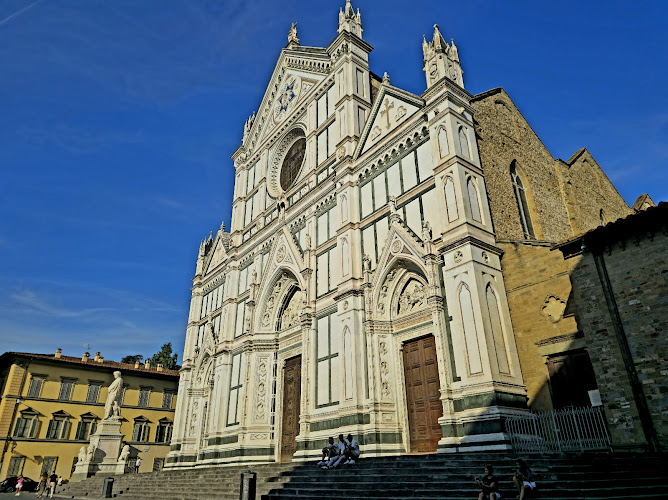
Basilica of Santa Croce in Florence
Tours & Activities
GetYourGuide provides this tour inventory. We may earn a commission if you book through it; verify current availability, prices, and terms with the provider.
Visitor Reviews
There are no reviews yet. Be the first one to write one.
Share Your Experience
Have you visited Basilica di San Lorenzo? Help other travelers by leaving a review.