
天津水上公园
About 天津水上公园
What to Expect
You will find a large park organized around three lakes: East Lake, West Lake, and South Lake. Five islands—Spring Island, Summer Island, Autumn Island, Winter Island, and Ying Island—are scattered throughout them. The landscape includes seven stone arch bridges and several structures built in Ming and Qing dynasty architectural styles. You can walk along tree-lined paths, see lotus flowers on the lakes, and visit themed gardens like the Bonsai Garden, Kobe Garden, and the aquatic plant area. The park is known for its seasonal scenery, with distinct views in spring, summer, autumn, and winter.
Practical Information
The park is located at 35PF+XG9, Shuishanggongyuan E Rd, Nankai District, Tianjin, China. It is free to enter. The park is open daily from 6:00 AM to 9:00 PM. You can contact the park at 022-23916111 or 022-23370176.
History & Significance
Tianjin Water Park first opened to the public on July 1, 1951. In 1991, its "Longtan Floating Jade" scenery was selected by Tianjin citizens as one of the "Top Ten Scenes of Tianjin." The park was officially rated as a national AAAA-level tourist attraction by the Tianjin Culture and Tourism Bureau on December 27, 2004. It covers an area of 126.71 hectares.
More Details
Updated April 5, 2026
Tianjin Water Park is a major urban park and tourist attraction in the Nankai District of Tianjin, China.
Table of Contents
- What to Expect
- Practical Information
- History & Significance
- Location
- Places to Stay Near 天津水上公园
- Find and Book a Tour
- Explore More Travel Guides
- Key Takeaways
- About 天津水上公园
- History and Significance
- What Makes It Special
- What to See and Do
- Main Attractions and Highlights
- Best Time to Visit
- Visitor Information
- Location and How to Get There
- Tips for Visitors
- Nearby Places You Might Like
- Traveler Reviews for 天津水上公园
- Share Your Experience
What to Expect
You will find a large park organized around three lakes: East Lake, West Lake, and South Lake. Five islands—Spring Island, Summer Island, Autumn Island, Winter Island, and Ying Island—are scattered throughout them. The landscape includes seven stone arch bridges and several structures built in Ming and Qing dynasty architectural styles. You can walk along tree-lined paths, see lotus flowers on the lakes, and visit themed gardens like the Bonsai Garden, Kobe Garden, and the aquatic plant area. The park is known for its seasonal scenery, with distinct views in spring, summer, autumn, and winter.
Practical Information
The park is located at 35PF+XG9, Shuishanggongyuan E Rd, Nankai District, Tianjin, China. It is free to enter. The park is open daily from 6:00 AM to 9:00 PM. You can contact the park at 022-23916111 or 022-23370176.
History & Significance
Tianjin Water Park first opened to the public on July 1, 1951. In 1991, its “Longtan Floating Jade” scenery was selected by Tianjin citizens as one of the “Top Ten Scenes of Tianjin.” The park was officially rated as a national AAAA-level tourist attraction by the Tianjin Culture and Tourism Bureau on December 27, 2004. It covers an area of 126.71 hectares.
Location
Places to Stay Near 天津水上公园
Find and Book a Tour
Explore More Travel Guides
No reviews found! Be the first to review!
Tianjin Water Park is, hands down, the largest urban park in central Tianjin. Locals have been flocking here since 1951, and it’s easy to see why: 125 hectares of lakes, islands, and gardens sprawl out in every direction.
Admission won’t cost you a thing. The park is built around three major lakes, all linked by bridges to 11 islands, which is probably how it picked up the nickname “Little West Lake of the North.” The water landscapes do have a way of stealing your attention.
You’ll wander through traditional Chinese gardens, stumble into a Japanese friendship garden, and maybe even get pulled into the amusement area. There’s an attached zoo tucked into the southern end, if you’re up for it.
Right in Nankai District, the park draws both tourists and Tianjin families looking for a break from city life. You can rent a boat and glide across the lakes, or take a slow stroll through the bonsai garden.
Sometimes I just sit by the water’s edge, watching the world go by from a shaded pavilion. The park usually opens up around 6:00 AM and closes anywhere between 6:00 PM and 9:00 PM, depending on the season. Honestly, it’s best to double-check the hours once you’re in town.
What really sets this place apart from other parks in China? It’s the way everything’s mashed together: Suzhou-style gardens, a Kobe Garden built with materials from Tianjin’s Japanese sister city, and a whole section of rides if you’ve got kids (or just want to feel like one).
Key Takeaways
- Tianjin Water Park is the city’s biggest free park, with 75 hectares of lakes and traditional Chinese landscaping.
- There are gardens, boat rentals, amusement rides, and the city zoo right next door if you want to keep exploring.
- If you’re after great photos or a bit of peace, hit the park early or late—bridges and islands are way less crowded then.
About 天津水上公园
Tianjin Water Park sprawls across 125 hectares in Nankai District, smack in the city center. Nearly 75 hectares are all water—lakes, ponds, and canals that give it that “North China’s West Lake” vibe.
Locals call it one of 津门十景 (Tianjin’s Ten Scenic Spots), and the poetic nickname “Dragon Pond Floating Greenery” fits. It’s a place people actually love, not just a tourist box to tick.
History and Significance
Before all this, the spot was known as Qinglongtan (青龙潭), or “Azure Dragon Pool.” It was a wild, natural water body—nothing like the park you see now.
Back in 1950, the city government called on residents to help transform the wetlands into a public park. People volunteered, got their hands dirty, and by July 1, 1951, the park was open.
That origin story gives the place a different kind of energy. It wasn’t always open to everyone, but the fact that locals built it themselves means there’s a real sense of ownership. It’s not just a park—it’s a piece of the city’s identity.
The park was named a national AAAA-level scenic area in 2004, so it’s not just a local secret anymore. There’s even a bit of diplomatic history: Cambodia’s Prince Sihanouk stayed here in the 1960s. Kind of wild to think about.
What Makes It Special
The design is clever—three lakes (东湖, 西湖, 南湖) and five main islands (春岛, 夏岛, 秋岛, 冬岛, 瀛岛), all tied together by seven stone arch bridges. It’s not just for show; each island has its own seasonal theme, so the vibe shifts as you wander.
Entry is free, though the zoo on the southern edge charges a separate fee. The park has nearly 200 species of plants and flowers—spring brings peach and willow blossoms, summer is all about the lotus. There are 350,000 square meters of greenery, which is honestly a lifesaver in urban Tianjin.
There’s more to it than just pretty views. The Bonsai Garden in the northwest has the biggest bonsai collection in North China. Shenhu Garden (神户园) is built with materials straight from Kobe, Japan, showing off the friendship between the two cities.
Don’t skip the “Hundred Longevity Characters Wall” at Bibo Manor. It’s got calligraphy from 100 local writers, each with their own take on the character for longevity. It’s a quirky, heartfelt touch.
What to See and Do
The park really is a maze of lakes and islands—three big lakes and 11 islands, all woven together into a network of waterways. It’s a blend of natural scenery and cultural oddities, and honestly, the nickname “Little West Lake of the North” isn’t just hype.
Main Attractions and Highlights
Everything revolves around the three main lakes: East Lake, West Lake, and South Lake. Combined, they cover about 75 hectares. Renting a rowboat is a must if you want to see the islands and gardens from a new angle.
Shenhu Garden (神户园) is a standout—it’s a Japanese-style garden built to celebrate Tianjin’s relationship with Kobe. Traditional landscaping, peaceful vibes, and a real sense of place.
The Bonsai Garden is packed with miniature trees and plants, arranged in those classic Chinese styles. It’s a quiet pocket away from the crowds.
Crystal Plaza is where everyone seems to end up, and Bibo Manor is perfect for lakeside views. If you’re with kids, the amusement area has a Ferris wheel and a handful of rides—nothing too wild, but enough to keep them happy.
Walking paths snake along the water, shaded by weeping willows. It’s especially pretty along the lake edges, and you’ll want your camera handy.
Each of the four seasonal islands is designed to match its name, and the best displays change with the actual seasons. It’s never quite the same twice.
Best Time to Visit
Spring is the showstopper—late March through May, the park is bursting with flowers. Yulan magnolias, peach blossoms, cherry, pear, crabapple… it’s a parade of color. The willows go neon green along the lakesides, too.
Summer is humid, sometimes ridiculously so—think 98% humidity on a bad day. But that’s when boating really comes into its own. Go early if you want to dodge the heat and the crowds.
Fall is just comfortable. The leaves start to turn, and there’s a little breathing room since fewer people visit on weekdays. Winter? It’s quiet, sometimes eerily so, but the park stays open and admission never changes.
Visitor Information
Tianjin Water Park is right in Nankai District, open to everyone, and always free. It’s one of the easiest green spaces to reach in the city, and a few insider tips can make your visit smoother.
Location and How to Get There
The park’s address is Water Park North Road, Nankai District—125 hectares of green and blue, smack in south-central Tianjin. The metro is your friend here. Hop on Line 3 and get off at Zhou Deng Memorial Hall Station; you’ll come out at the northwest entrance.
Line 6 stops nearby too, so you’ve got options. There are gates on all four sides, but the west gate near Line 3 is the busiest.
If you’re driving, there’s parking around the edges, but it fills up fast on weekends. The park’s within walking distance of Nankai University and Tianjin University (about 500 meters north), and the Tianjin TV Tower is just 500 meters east. Makes it easy to squeeze in a few sights in one day.
Tips for Visitors
The park’s open to everyone—no ticket needed. But if you’re thinking about stopping by the Tianjin Zoo right next door on the south side, you’ll have to buy a separate ticket for that.
Most folks wander the grounds for an hour or two. If you’re eyeing those paddle boats or want to check out the amusement rides, set aside at least three or four hours.
Weekends and holidays? Expect some serious crowds, especially near the lakes and gardens. If you want a quieter stroll, try coming on a weekday morning.
Not up for a long walk? The park rents out electric carts, which honestly can be a lifesaver if the idea of trekking a couple kilometers isn’t appealing.
Spring is hands-down the best time for flowers. Plum blossoms, magnolias, and cherry trees explode into color, especially around late March and April in the Japanese-style Kobe Garden.
I’d recommend packing a few snacks, or plan to eat outside. The park’s own restaurants are there, but prices are definitely on the touristy side.
For better food options, wander over to Shanggu Commercial Street on the east side, or head south to Aocheng Plaza—both have way more local flavor and better value.
No matter when you visit, the place is kept impressively tidy. If you’re into photography, don’t miss the lotus flowers blooming in the central pond during summer—they’re kind of magical.
Traveler Reviews for 天津水上公园
There are no reviews yet. Be the first one to write one.
Have you visited 天津水上公园? Help other travelers by sharing your review.
You Might Also Like
St. Joseph Cathedral
Tianjin Old Town Museum
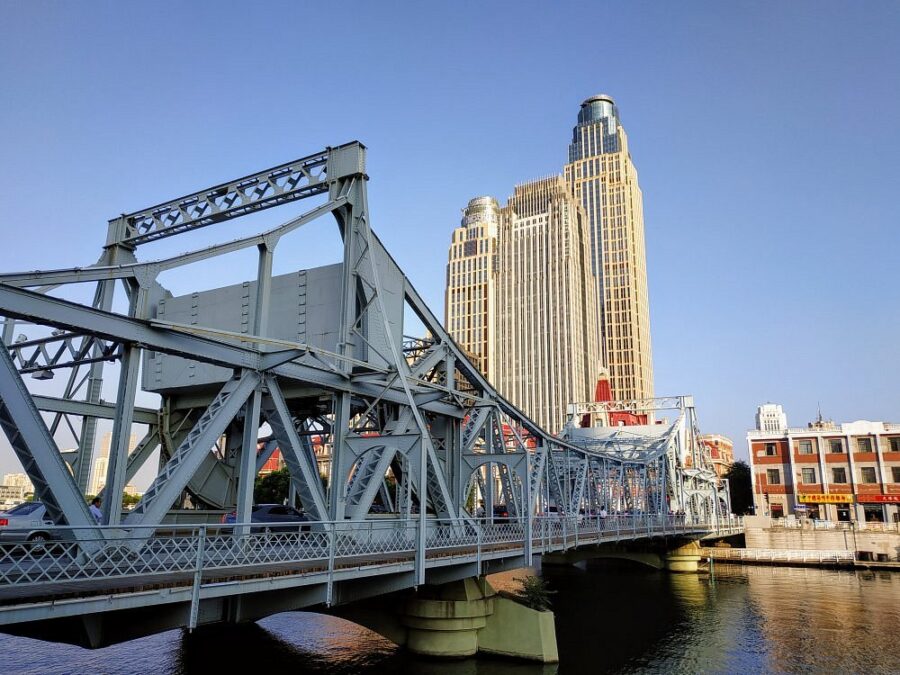
Jiefang Bridge Wharf
Find Accommodations Nearby
Recommended Tours & Activities
Visitor Reviews
There are no reviews yet. Be the first one to write one.
Share Your Experience
Have you visited 天津水上公园? Help other travelers by leaving a review.