

Baptistery of St. John
About Baptistery of St. John
The Baptistery of St. John stands with a quiet confidence that only very old places seem to have. Octagonal in shape and dressed in alternating panels of white and green marble, it doesn’t shout for attention, even though it easily could. This is one of those landmarks travelers tend to underestimate at first glance. Many walk up expecting a quick look, maybe five minutes, and then find themselves lingering, neck craned upward, time slipping by.
Dedicated to Saint John the Baptist, the baptistery has been a central religious site for centuries, long before most surrounding buildings even existed in their current forms. It was the place where generations of locals were baptized, including some names you may recognize from history books. And yes, that includes artists and thinkers who later helped shape the Renaissance. There’s something grounding about standing in the same space where so much personal and civic history quietly unfolded.
The exterior marble facade feels almost mathematical in its precision. The symmetry is soothing, especially after weaving through crowded streets. But step inside, and the mood changes. The ceiling hits you first. It’s covered in golden mosaics that seem to glow even on gray days. Christ Pantocrator dominates the central vault, eyes steady and impossible to ignore. The scenes spiral outward in narrative bands, telling stories from the Bible in a way that once taught an illiterate population what mattered most. Even if you’re not religious, it’s hard not to feel a shiver of awe.
This writer remembers visiting on a winter afternoon, slightly jet-lagged, thinking the stop would be a formality. But the hush inside, broken only by soft footsteps and the occasional gasp, had a calming effect that coffee couldn’t manage. And yes, the acoustics are real. A single voice can echo like a chant, though visitors are politely discouraged from testing it too much.
Travelers should know that the Baptistery isn’t flawless or glossy in a modern sense. Some mosaics show age. The marble floors are worn smooth in spots. But that’s part of the appeal. It feels lived in, not preserved behind glass. And that honesty is why so many people come away calling it unforgettable, even if a few leave wishing it were less crowded or more accessible.
Key Features
- Octagonal architecture: The eight-sided design carries symbolic meaning tied to rebirth and eternity, and it’s visually striking without being flashy.
- Marble facade: Alternating green and white marble panels create a geometric rhythm that photographs beautifully in morning light.
- Bronze doors: Three monumental sets of doors, each from a different period, show the evolution of craftsmanship over centuries.
- Golden mosaic ceiling: More than a thousand square meters of mosaics depict biblical scenes, saints, and a commanding Christ figure.
- Historic baptismal font: The original font has been replaced, but its presence shaped the building’s entire purpose.
- Powerful acoustics: Even whispers seem amplified, giving the interior a sacred, almost musical quality.
- Deep civic history: Long tied to local identity, the baptistery functioned as a communal space, not just a religious one.
Best Time to Visit
Timing makes all the difference here. Early morning is the sweet spot, especially if you want to experience the mosaics without a sea of raised phones blocking your view. The light at that hour feels softer, and the interior seems calmer, like it’s still waking up. Late afternoon can also work, though it often comes with more foot traffic.
High season brings crowds, plain and simple. Summer months are busy, loud, and sometimes rushed. That doesn’t ruin the experience, but it changes it. If you’re someone who likes to stand still and soak things in, shoulder season is kinder. Spring and fall offer manageable lines and temperatures that won’t drain you before you even step inside.
Weekdays tend to be less hectic than weekends. And religious holidays can affect access, sometimes closing the interior or limiting movement. This writer once arrived on a major feast day without checking ahead and ended up admiring the doors for far longer than planned. Lesson learned.
If mosaics are your main goal, aim for a clear day. Natural light enhances the gold tones in a way artificial lighting just can’t replicate. And honestly, those shimmering surfaces are the reason many people rank this visit among their favorites.
How to Get There
The Baptistery of St. John sits right in the historic heart of the city, which means reaching it is straightforward, especially on foot. Walking is the best option, hands down. The surrounding streets are compact, and approaching on foot lets the building reveal itself gradually, which feels right for a place like this.
Public transportation can get you close, though you’ll likely still walk the final stretch. Buses and trams stop nearby, and signage is generally clear. Taxis are an option, but traffic restrictions in the historic center may drop you a short distance away. That last bit of walking is unavoidable, but also part of the charm.
Drivers should know that parking is limited and often restricted. If you’re staying outside the center, consider parking farther out and using public transport. It saves stress. And stress has no place before visiting a baptistery, if you ask this writer.
Once you’re nearby, just look up. The marble exterior is unmistakable, and the steady stream of visitors usually confirms you’re in the right place.
Tips for Visiting
Buy tickets in advance. This isn’t optional advice. Lines can be long, and pre-booking saves time and patience. Nothing dampens awe faster than standing in line under the sun, wondering why you didn’t plan better.
Dress respectfully. Modest clothing is expected, and while enforcement varies, it’s better not to risk being turned away. A light scarf in your bag can solve most issues.
Take a moment to sit. Benches are limited, but even standing still for a few minutes changes the experience. Let your eyes adjust, follow the mosaic stories, notice the small imperfections.
Accessibility notes matter. There is a wheelchair-accessible entrance, which is genuinely helpful. However, accessible restrooms and parking are not available on-site, so planning ahead is important for visitors with mobility needs.
Watch the noise level. The acoustics amplify everything. Conversations carry. A hushed tone isn’t just polite; it preserves the atmosphere everyone came for.
Don’t rush the doors. Most people photograph them and move on, but spend time with the details. The panels are packed with symbolism and craftsmanship that rewards patience.
Expect mixed reactions. Not everyone leaves completely enchanted. Some find it crowded or brief. But those who slow down, who look up and linger, usually walk out with that quiet, satisfied smile.
Pair it thoughtfully. Visiting the baptistery alongside nearby historic sites deepens context, but avoid stacking too much in one day. Art fatigue is real. This writer learned that the hard way, after one too many churches and a pounding headache.
In the end, the Baptistery of St. John isn’t about ticking off another attraction. It’s about stepping into a space where art, faith, and civic pride intersect in a way that still feels alive. If you give it your time and attention, it gives something back. And that’s not something every landmark can say.
You Might Also Like

Basilica di San Lorenzo

Basilica di San Miniato
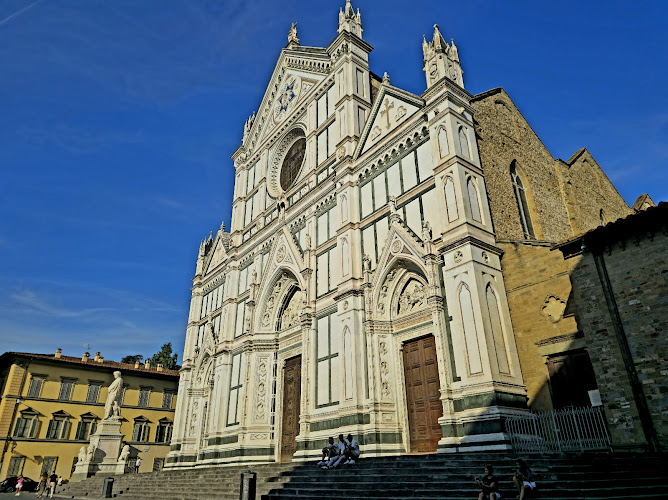
Basilica of Santa Croce in Florence
Tours & Activities
GetYourGuide provides this tour inventory. We may earn a commission if you book through it; verify current availability, prices, and terms with the provider.
Visitor Reviews
There are no reviews yet. Be the first one to write one.
Share Your Experience
Have you visited Baptistery of St. John? Help other travelers by leaving a review.