
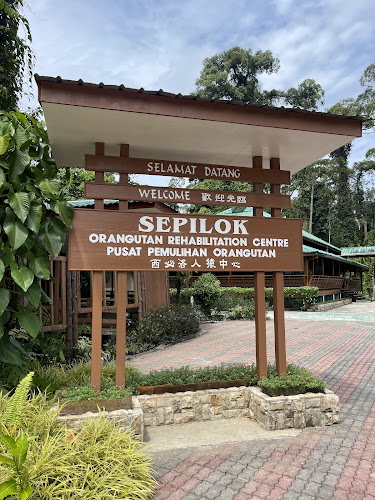
Pusat Pemuliharaan Orang Utan Sepilok
About Pusat Pemuliharaan Orang Utan Sepilok
Description
Pusat Pemuliharaan Orang Utan Sepilok is one of those places that quietly messes with your emotions in the best possible way. It’s not flashy, it’s not overproduced, and that’s exactly why it works. This is a working rehabilitation center for orphaned and displaced orangutans in Sabah, Malaysian Borneo, and yes, travelers are allowed in—but only on the center’s terms. And honestly, that’s how it should be.
The main purpose here isn’t entertainment. It’s about giving young orangutans a second chance at life in the wild. Many were rescued after losing their mothers to illegal logging or plantation expansion, others were kept as pets (which never ends well). At Sepilok, they’re slowly taught how to be orangutans again—how to climb, forage, build nests, and most importantly, trust the forest.
Visitors observe from a respectful distance via boardwalks and viewing platforms. You don’t get to cuddle a baby orangutan. And if that’s what you’re hoping for, well, you might leave slightly disappointed. But if you’re open to learning, watching quietly, and feeling that strange lump in your throat when a young orangutan clumsily swings through the trees, you’ll walk out changed. I did.
The nursery viewing area is where most people linger. Through a large glass window, you can see the youngest residents being cared for by trained staff. It’s tender and heartbreaking at the same time. I remember standing there longer than planned, watching a baby orangutan cling to a rope like it was the most important thing in the world. And maybe it was.
Facilities are practical and well-maintained. There’s a visitor information center that explains the rehabilitation process in plain English, a small shop selling conservation-themed souvenirs, and a cafe where you can decompress afterward. And yes, you’ll probably need that coffee. The place has a calm seriousness to it, and that mood tends to stick with you.
It’s also family-friendly, surprisingly so. Kids are welcome, and the educational displays are simple enough for them to grasp. But fair warning: this isn’t a zoo. Animals aren’t guaranteed. Sometimes the forest wins and the orangutans stay hidden. That’s not a flaw; that’s the point.
Key Features
- Active orangutan rehabilitation center focused on rewilding, not display
- Nursery viewing area to observe young orangutans under professional care
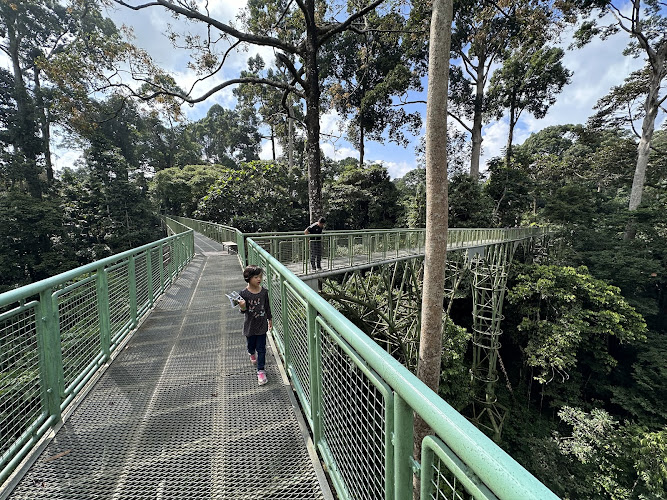
- Forest boardwalks and feeding platforms set within protected rainforest
- Educational visitor center explaining conservation efforts and challenges
- On-site cafe and small shop with ethically themed merchandise
- Wheelchair-accessible paths, restrooms, and parking areas
- Free parking and easy access for independent travelers
- Suitable for children, but meaningful for adults too
Best Time to Visit
Timing matters more here than at many other attractions. Orangutans operate on their own schedule, and Sepilok respects that. The best time to visit is during the scheduled feeding sessions, typically in the morning and late afternoon. These are the moments when you’re most likely to see orangutans emerge from the forest canopy. Not all of them will come, and that unpredictability is part of the experience.
Weather-wise, Sabah is humid year-round, so there’s no escaping that. But drier months generally make walking the boardwalks more comfortable and increase the odds of sightings. That said, I visited once during a light drizzle and still saw several orangutans. And honestly, the rain made the forest feel more alive. Everything smelled greener, if that makes sense.
Try to arrive early. Not just for the animals, but for your own sanity. Midday crowds can build up, especially during school holidays. Early mornings feel calmer, more respectful. You hear birds, insects, the occasional rustle in the trees. It feels less like a tourist attraction and more like stepping into someone else’s workplace—which, again, it is.
How to Get There
Getting to Pusat Pemuliharaan Orang Utan Sepilok is refreshingly straightforward, especially compared to other wildlife experiences in Borneo. It’s located just outside Sandakan, making it an easy half-day trip. Taxis and ride services are common, and many travelers opt for them since the roads are simple and well-marked.
If you’re driving yourself, parking is free and plentiful. That alone feels like a small miracle these days. The entrance area is organized, with clear signage and staff who actually seem happy to answer questions. Public transport options exist, but they can be a bit hit-or-miss depending on the day. If you value your time (and patience), a taxi is worth it.
Group tours are available, but going independently gives you more freedom to linger, double back, or sit quietly when something catches your attention. I’ve done it both ways. The solo visit felt more personal. Less herding, more observing.
Tips for Visiting
First tip, and I can’t stress this enough: manage your expectations. You might see a dozen orangutans. You might see two. Or none. If you go in with a checklist mindset, you’ll miss the subtle stuff—the sounds of the forest, the stories on the information boards, the quiet dedication of the staff.
Wear breathable clothing and proper shoes. The boardwalks are safe but can be slick after rain. And yes, you’ll sweat. Everyone does. Bring water, or grab something at the cafe afterward. There are lockers available, which is handy if you’re carrying more than you need.
Photography is allowed, but skip the flash. Not just because it’s prohibited, but because it’s intrusive. Put the camera down sometimes. I got my favorite memories here without a single photo to prove it.
Traveling with kids? Prep them beforehand. Explain that the orangutans aren’t performers. This isn’t a place to shout or bang on glass. When kids understand the why, they usually rise to the occasion. I’ve seen children here who were more respectful than some adults.
Accessibility is thoughtfully handled. Paths are wheelchair-friendly, restrooms are accessible, and staff are willing to help if you need assistance. That inclusivity matters, especially in a nature-based setting where it’s often overlooked.
And finally, take time in the visitor center. Don’t rush through it. The exhibits explain the long, sometimes messy process of rehabilitation. Not every orangutan makes it back to the wild. That’s a hard truth, but it’s an important one. Conservation isn’t a neat story with a guaranteed happy ending.
Before leaving, consider buying something from the shop. It’s not about souvenirs; it’s about support. Every little bit helps keep the work going. I still have a slightly faded t-shirt from my first visit, and every time I wear it, I remember that baby orangutan and that rope. Funny how places stick with you like that.
Pusat Pemuliharaan Orang Utan Sepilok isn’t perfect, and it doesn’t pretend to be. Some visitors wish for closer encounters or more spectacle. But for travelers who care about responsible tourism and real conservation, this place delivers something far more valuable: perspective. And that, in my book, is worth the trip.
Key Features
- Active orangutan rehabilitation center focused on rewilding, not display
- Nursery viewing area to observe young orangutans under professional care
- Forest boardwalks and feeding platforms set within protected rainforest
- Educational visitor center explaining conservation efforts and challenges
- On-site cafe and small shop with ethically themed merchandise
- Wheelchair-accessible paths, restrooms, and parking areas
- Free parking and easy access for independent travelers
- Suitable for children, but meaningful for adults too
More Details
Updated December 31, 2025
Table of Contents
- Description
- Key Features
- Best Time to Visit
- How to Get There
- Tips for Visiting
- Key Highlights
- Location
- Places to Stay Near Pusat Pemuliharaan Orang Utan Sepilok
- Find and Book a Tour
- Explore More Travel Guides
- Nearby Places You Might Like
- Traveler Reviews for Pusat Pemuliharaan Orang Utan Sepilok
- Share Your Experience
Description
Pusat Pemuliharaan Orang Utan Sepilok is one of those places that quietly messes with your emotions in the best possible way. It’s not flashy, it’s not overproduced, and that’s exactly why it works. This is a working rehabilitation center for orphaned and displaced orangutans in Sabah, Malaysian Borneo, and yes, travelers are allowed in—but only on the center’s terms. And honestly, that’s how it should be.
The main purpose here isn’t entertainment. It’s about giving young orangutans a second chance at life in the wild. Many were rescued after losing their mothers to illegal logging or plantation expansion, others were kept as pets (which never ends well). At Sepilok, they’re slowly taught how to be orangutans again—how to climb, forage, build nests, and most importantly, trust the forest.
Visitors observe from a respectful distance via boardwalks and viewing platforms. You don’t get to cuddle a baby orangutan. And if that’s what you’re hoping for, well, you might leave slightly disappointed. But if you’re open to learning, watching quietly, and feeling that strange lump in your throat when a young orangutan clumsily swings through the trees, you’ll walk out changed. I did.
The nursery viewing area is where most people linger. Through a large glass window, you can see the youngest residents being cared for by trained staff. It’s tender and heartbreaking at the same time. I remember standing there longer than planned, watching a baby orangutan cling to a rope like it was the most important thing in the world. And maybe it was.
Facilities are practical and well-maintained. There’s a visitor information center that explains the rehabilitation process in plain English, a small shop selling conservation-themed souvenirs, and a cafe where you can decompress afterward. And yes, you’ll probably need that coffee. The place has a calm seriousness to it, and that mood tends to stick with you.
It’s also family-friendly, surprisingly so. Kids are welcome, and the educational displays are simple enough for them to grasp. But fair warning: this isn’t a zoo. Animals aren’t guaranteed. Sometimes the forest wins and the orangutans stay hidden. That’s not a flaw; that’s the point.
Key Features
- Active orangutan rehabilitation center focused on rewilding, not display
- Nursery viewing area to observe young orangutans under professional care
- Forest boardwalks and feeding platforms set within protected rainforest
- Educational visitor center explaining conservation efforts and challenges
- On-site cafe and small shop with ethically themed merchandise
- Wheelchair-accessible paths, restrooms, and parking areas
- Free parking and easy access for independent travelers
- Suitable for children, but meaningful for adults too
Best Time to Visit
Timing matters more here than at many other attractions. Orangutans operate on their own schedule, and Sepilok respects that. The best time to visit is during the scheduled feeding sessions, typically in the morning and late afternoon. These are the moments when you’re most likely to see orangutans emerge from the forest canopy. Not all of them will come, and that unpredictability is part of the experience.
Weather-wise, Sabah is humid year-round, so there’s no escaping that. But drier months generally make walking the boardwalks more comfortable and increase the odds of sightings. That said, I visited once during a light drizzle and still saw several orangutans. And honestly, the rain made the forest feel more alive. Everything smelled greener, if that makes sense.
Try to arrive early. Not just for the animals, but for your own sanity. Midday crowds can build up, especially during school holidays. Early mornings feel calmer, more respectful. You hear birds, insects, the occasional rustle in the trees. It feels less like a tourist attraction and more like stepping into someone else’s workplace—which, again, it is.
How to Get There
Getting to Pusat Pemuliharaan Orang Utan Sepilok is refreshingly straightforward, especially compared to other wildlife experiences in Borneo. It’s located just outside Sandakan, making it an easy half-day trip. Taxis and ride services are common, and many travelers opt for them since the roads are simple and well-marked.
If you’re driving yourself, parking is free and plentiful. That alone feels like a small miracle these days. The entrance area is organized, with clear signage and staff who actually seem happy to answer questions. Public transport options exist, but they can be a bit hit-or-miss depending on the day. If you value your time (and patience), a taxi is worth it.
Group tours are available, but going independently gives you more freedom to linger, double back, or sit quietly when something catches your attention. I’ve done it both ways. The solo visit felt more personal. Less herding, more observing.
Tips for Visiting
First tip, and I can’t stress this enough: manage your expectations. You might see a dozen orangutans. You might see two. Or none. If you go in with a checklist mindset, you’ll miss the subtle stuff—the sounds of the forest, the stories on the information boards, the quiet dedication of the staff.
Wear breathable clothing and proper shoes. The boardwalks are safe but can be slick after rain. And yes, you’ll sweat. Everyone does. Bring water, or grab something at the cafe afterward. There are lockers available, which is handy if you’re carrying more than you need.
Photography is allowed, but skip the flash. Not just because it’s prohibited, but because it’s intrusive. Put the camera down sometimes. I got my favorite memories here without a single photo to prove it.
Traveling with kids? Prep them beforehand. Explain that the orangutans aren’t performers. This isn’t a place to shout or bang on glass. When kids understand the why, they usually rise to the occasion. I’ve seen children here who were more respectful than some adults.
Accessibility is thoughtfully handled. Paths are wheelchair-friendly, restrooms are accessible, and staff are willing to help if you need assistance. That inclusivity matters, especially in a nature-based setting where it’s often overlooked.
And finally, take time in the visitor center. Don’t rush through it. The exhibits explain the long, sometimes messy process of rehabilitation. Not every orangutan makes it back to the wild. That’s a hard truth, but it’s an important one. Conservation isn’t a neat story with a guaranteed happy ending.
Before leaving, consider buying something from the shop. It’s not about souvenirs; it’s about support. Every little bit helps keep the work going. I still have a slightly faded t-shirt from my first visit, and every time I wear it, I remember that baby orangutan and that rope. Funny how places stick with you like that.
Pusat Pemuliharaan Orang Utan Sepilok isn’t perfect, and it doesn’t pretend to be. Some visitors wish for closer encounters or more spectacle. But for travelers who care about responsible tourism and real conservation, this place delivers something far more valuable: perspective. And that, in my book, is worth the trip.
Key Highlights
- Active orangutan rehabilitation center focused on rewilding, not display
- Nursery viewing area to observe young orangutans under professional care
- Forest boardwalks and feeding platforms set within protected rainforest
- Educational visitor center explaining conservation efforts and challenges
- On-site cafe and small shop with ethically themed merchandise
- Wheelchair-accessible paths, restrooms, and parking areas
- Free parking and easy access for independent travelers
- Suitable for children, but meaningful for adults too
Location
Places to Stay Near Pusat Pemuliharaan Orang Utan Sepilok
Find and Book a Tour
Explore More Travel Guides
No reviews found! Be the first to review!
Traveler Reviews for Pusat Pemuliharaan Orang Utan Sepilok
There are no reviews yet. Be the first one to write one.
Have you visited Pusat Pemuliharaan Orang Utan Sepilok? Help other travelers by sharing your review.
You Might Also Like

Laluan Kreatif- Creative Lane
Bristlehead Tower

Jejak Seni Sandakan
Find Accommodations Nearby
Recommended Tours & Activities
Visitor Reviews
There are no reviews yet. Be the first one to write one.
Share Your Experience
Have you visited Pusat Pemuliharaan Orang Utan Sepilok? Help other travelers by leaving a review.