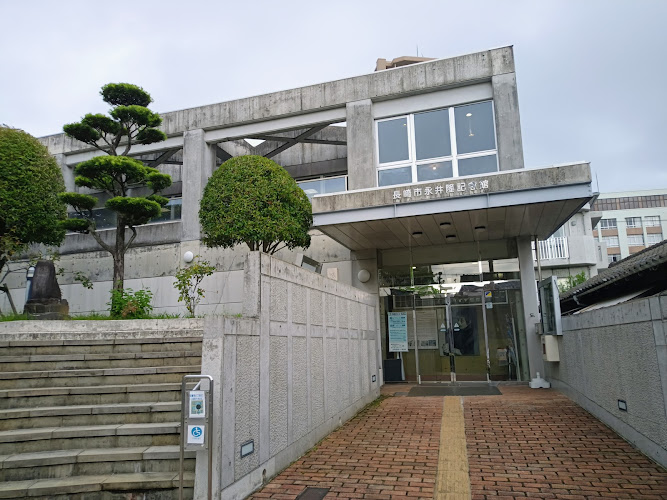
Description
This museum honors Dr. Takashi Nagai, a radiologist, author, and Catholic convert who survived the atomic bombing of Nagasaki in 1945. He didn’t just survive it; he chose to live with meaning afterward, even while battling leukemia caused by radiation exposure. The museum sits near where Nagai once lived in a tiny hut he called Nyokodo. When you’re standing inside the museum, reading his words and seeing his personal belongings, you start to feel like you’re visiting someone’s life rather than a historical exhibit.
I remember my first visit clearly. I’d already been to the Atomic Bomb Museum earlier that day, which is powerful but emotionally heavy in a very direct way. Coming here afterward felt different. Slower. More reflective. Like your brain finally had room to process what your heart was already feeling. And if you’re traveling through Nagasaki, I really think this place adds a human-scale perspective to the city’s nuclear history that often gets lost in big timelines and statistics.
The museum focuses less on the bomb itself and more on what came after. Nagai’s writings, handwritten manuscripts, medical tools, and photographs tell a story of resilience that feels painfully honest. He didn’t pretend things were okay. He acknowledged suffering head-on. But he also believed deeply in reconciliation and peace, which comes through strongly in the exhibits.
From a traveler’s point of view, the museum is compact and manageable. You don’t need half a day to get value from it, which is good because emotionally, you may not want that much time anyway. It’s well-organized, thoughtfully translated into English, and accessible for visitors with mobility needs. And yes, it’s family-friendly, though I’d say it’s better suited for older kids who can understand the themes.
What struck me most was how personal everything feels. You’re not just reading about history; you’re meeting a man who lost his wife, his home, and his health, and still wrote books encouraging peace. That’s rare. And it sticks with you long after you leave Nagasaki.
Best Time to Visit
The best time to visit the Nagai Takashi Memorial Museum is during the spring or autumn months, roughly March to May and October to November. The weather in Nagasaki during these seasons is mild, and walking between nearby historical sites doesn’t feel like a chore. Summer can be hot and sticky, and while the museum itself is climate-controlled, the emotional weight combined with heat can be a bit much. Winter is quieter and cooler, which some travelers might actually prefer.
Time of day matters too. Late morning or early afternoon tends to be ideal. In the early morning, school groups sometimes visit, which can make the small exhibition rooms feel crowded and noisy. Late afternoon is calmer, but give yourself enough time so you’re not rushing through before closing. This isn’t a place you want to skim.
And a small personal tip: don’t try to cram this museum between lunch and shopping plans. Give it space in your day. Maybe pair it with a walk afterward, or a quiet coffee somewhere nearby. You’ll need the decompression time, trust me.
How to Get There
Getting to the Nagai Takashi Memorial Museum is straightforward, especially if you’re already exploring central Nagasaki. Public transportation is reliable and visitor-friendly, and signage is generally clear even if your Japanese is, like mine, extremely basic.
Most travelers arrive by tram or bus and then walk a short distance. The surrounding area is residential and peaceful, which adds to the reflective mood of the visit. If you’re coming from the Atomic Bomb Museum or Peace Park, the journey between sites feels like a continuation of the story rather than a separate trip.
Taxis are also an easy option and relatively affordable in Nagasaki. If you’re traveling with elderly family members, kids, or anyone with mobility challenges, this can be the least stressful way to arrive. The museum has wheelchair accessible parking and entrances, which makes a real difference for inclusive travel planning.
Tips for Visiting
First tip, and I say this as someone who learned the hard way: pace yourself emotionally. This museum is gentle, but it’s still heavy. If you’ve already visited other nuclear bomb-related sites that day, take a break before coming here. Even a short walk or snack helps reset your brain.
Second, read the quotes carefully. Nagai Takashi was a gifted writer, and his words are the heart of the museum. It’s tempting to skim, especially if you’re museum-tired, but slowing down makes a big difference. One sentence of his stayed with me longer than entire panels elsewhere.
If you’re traveling with kids, talk with them beforehand about what they’ll see. The museum is good for kids in terms of layout and safety, but the themes are serious. Older children often respond well if they’re given context and space to ask questions.
Accessibility is genuinely well thought out here. Wheelchair users will find ramps, seating, accessible restrooms, and even wheelchair rental. This isn’t always the case in older Japanese museums, so it’s worth appreciating.
There’s no restaurant on-site, so plan meals before or after your visit. That said, having no food smells or noise inside actually preserves the contemplative atmosphere. Sometimes less really is more.
And finally, don’t rush out the door when you’re done. Sit for a minute. Let it sink in. The Nagai Takashi Memorial Museum isn’t about ticking off another attraction; it’s about understanding how one person chose compassion after unimaginable loss. As a traveler, that kind of lesson feels just as important as seeing landmarks or taking photos.
If you’re looking to understand Nagasaki beyond surface-level history, this museum quietly delivers. It doesn’t try to impress you. It simply tells the truth, and lets you decide what to carry forward. And that, in my book, is exactly why it’s worth your time.