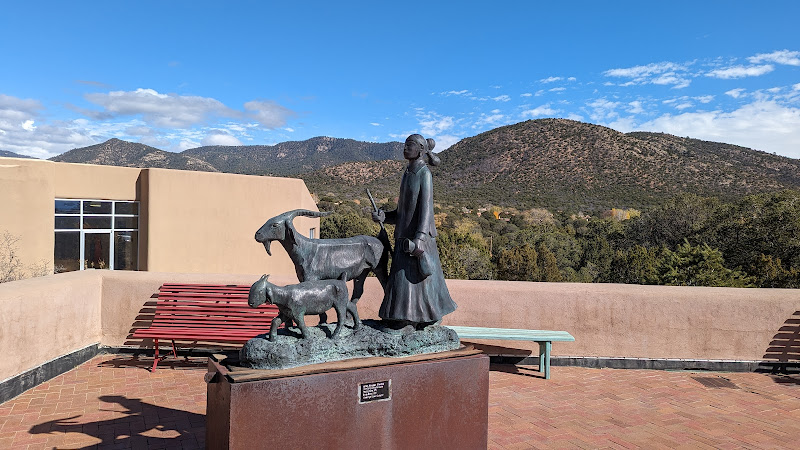
Founded back in 1937, it’s one of those places that doesn’t shout for attention but rewards you if you slow down and actually look. The museum focuses on contemporary and historic Native American art, with rotating mixed-media exhibitions that change enough to make repeat visits worthwhile. And they really do change; I’ve been more than once and never saw the same show twice. That alone says something.
This is not a massive, overwhelming museum where you feel rushed or lost. It’s intimate. Thoughtful. The galleries encourage you to linger, read wall texts, and think a bit deeper about Native cultures as living, evolving communities rather than something frozen in the past. And yes, that distinction matters. You’ll see traditional materials like clay, beadwork, and weaving alongside modern photography, installation art, and experimental forms that challenge expectations. Sometimes the pieces are subtle. Other times they hit you right in the chest. I remember standing in front of one exhibit longer than I planned, because it felt personal in a way museum art doesn’t always manage.
The building itself reflects the museum’s philosophy. Inspired by Navajo hogan architecture, it feels grounded and intentional. Nothing flashy, nothing showy. And maybe that’s why it works. The Wheelwright doesn’t try to be the loudest museum in Santa Fe, but it often ends up being one of the most meaningful for travelers who want context, not just pretty objects behind glass.
There’s also an arts and crafts shop on-site, which is worth mentioning because it’s not an afterthought. The shop features high-quality, authentic Native-made jewelry, pottery, textiles, and books. Prices range from accessible to investment-level, so you can browse without pressure. I once told myself I was “just looking” and walked out with a small piece of silver jewelry I still wear. No regrets.
Overall, the Wheelwright Museum of the American Indian offers a quieter, more reflective experience compared to larger tourist attractions. It appeals to travelers who want to learn, who don’t mind reading a bit, and who appreciate art that tells real stories. And yes, kids are welcome too, which surprises some people. The exhibits often spark good questions, and the museum staff genuinely seems happy to help answer them.
Best Time to Visit
The best time to visit the Wheelwright Museum of the American Indian is honestly when you’re not in a rush. Time of day matters more than season here. Late morning tends to be ideal, after the early birds have come and gone but before larger tour groups drift in. I’ve found that weekday visits feel calmer, letting you move at your own pace without weaving around too many people.
Season-wise, Santa Fe’s spring and fall are popular for a reason. Mild weather makes it easier to combine the museum with other stops on Museum Hill or a walk outdoors afterward. Summer can be busier, especially during festival season, but the museum itself never feels chaotic. Winter, on the other hand, brings fewer visitors and a more contemplative mood. If you like quiet galleries and don’t mind wearing a jacket, winter visits can be surprisingly special.
One thing to keep in mind is that exhibits rotate regularly. If you’re the kind of traveler who plans around specific shows, it’s worth checking what’s on view before you go. But even without that planning, the museum tends to deliver something thoughtful and well-curated. And if you’re visiting Santa Fe for several days, this is a good mid-trip stop when you want something enriching but not exhausting.
How to Get There
Getting to the Wheelwright Museum of the American Indian is fairly straightforward, especially if you’re already exploring Santa Fe. It’s located on Museum Hill, an area known for its cluster of cultural institutions. If you have a car, you’ll appreciate the free on-site parking. That alone reduces stress, and yes, I’m speaking from experience after circling downtown one too many times.
For travelers without a car, taxis and rideshares are reliable options. The ride from downtown Santa Fe is short, and drivers are usually familiar with Museum Hill. Some visitors choose to walk, but be aware that it’s uphill and not exactly a casual stroll, especially in the heat. Still, if you enjoy a good walk and want to earn your museum time, it’s doable.
Once you arrive, signage is clear, and the museum grounds are easy to navigate. The entrance is wheelchair accessible, as are the restrooms and main gallery spaces. That accessibility makes a difference, especially for multigenerational travel groups where comfort matters more than squeezing in one extra stop.
Tips for Visiting
First tip: give yourself permission to slow down. This isn’t a check-the-box museum. Plan for at least an hour, maybe more if you like reading labels and thinking about what you’re seeing. I’ve watched people breeze through in twenty minutes, and honestly, they’re missing the point.
Second, consider taking a guided tour if one is available during your visit. The tours add layers of meaning that aren’t always obvious at first glance. Hearing context about the artists, materials, and cultural background can change how you see a piece entirely. I once learned more in a short tour here than I did in hours at a much larger museum.
Third, don’t skip the shop. Even if you don’t plan to buy anything, it helps reinforce what you’ve just seen in the galleries. And if you do purchase something, you’re supporting Native artists directly, which feels good and right.
If you’re visiting with kids, talk with them before and after. Ask what they noticed, what surprised them. The museum is good for kids, but it works best when adults help frame the experience. And kids tend to ask the best questions anyway.
Finally, combine your visit with other Museum Hill attractions if your energy allows, but don’t overdo it. Museum fatigue is real. The Wheelwright Museum of the American Indian stands on its own as a meaningful stop, and it deserves your attention. Leave space in your schedule to sit with what you’ve seen. Grab a coffee afterward. Think about it. That’s where this place really shines.
For travelers seeking depth, authenticity, and a break from the louder parts of Santa Fe tourism, the Wheelwright Museum of the American Indian offers a grounded, rewarding experience. It doesn’t try to impress you with size or spectacle. Instead, it invites you into a conversation. And if you’re open to that, you’ll walk out richer for it.
 Real Journey Travels