
Duke Homestead
About Duke Homestead
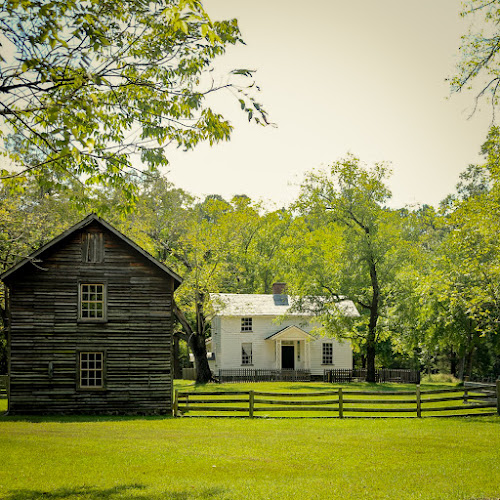
The Duke Homestead stands as a fascinating window into America’s tobacco heritage, offering travelers an authentic glimpse of 19th-century agricultural life that shaped an entire industry. This historic property preserves the humble beginnings of the Duke family—yes, those Dukes who would eventually found the American Tobacco Company and establish Duke University. Walking through these grounds feels like stepping back in time, when Washington Duke returned from the Civil War and started processing tobacco in a small log barn with his family.
What makes this place genuinely special is how it captures that moment before industrialization completely transformed American agriculture. You’re not just reading about history in dusty textbooks here. The structures are authentic, the stories are real, and the grounds maintain that quiet rural character that lets you imagine what life was actually like when tobacco farming was done entirely by hand. I’ve visited plenty of historical sites that feel sterile or overly curated, but there’s something refreshingly genuine about the Duke Homestead that really resonates with visitors who appreciate authentic historical preservation.
The museum portion does an excellent job contextualizing the tobacco industry’s impact on North Carolina’s economy and culture without glossing over the complicated legacy. And honestly, whether you have strong feelings about tobacco or not, the human story of a family rebuilding after war and creating something from almost nothing is pretty compelling stuff. The property manages to balance education with accessibility, making it appropriate for families while still offering depth for history enthusiasts.
Key Features
- Original tobacco factories and curing barns dating back to the 1860s and 1870s, preserved in remarkable condition that showcases authentic construction methods and equipment used during the earliest days of the tobacco industry
- The Duke family home itself, restored to reflect the modest living conditions of a farming family during Reconstruction-era North Carolina, complete with period furnishings that illustrate daily life
- Guided tours led by knowledgeable staff who bring the property’s history to life with stories about the Duke family, tobacco cultivation processes, and the social history of the region during this transformative period
- A comprehensive museum featuring exhibits on tobacco’s agricultural and industrial history, the evolution of cigarette manufacturing, and the Duke family’s rise from farmers to industrial magnates
- Beautifully maintained grounds with heritage tobacco crops grown during appropriate seasons, allowing visitors to see the actual plants that formed the foundation of North Carolina’s economy
- Picnic areas that make the site perfect for combining education with relaxation, offering shaded spots under mature trees where families can enjoy lunch after touring
- Full accessibility features including wheelchair-accessible entrances, restrooms, and parking, ensuring all visitors can experience the site comfortably
- Free admission and free parking, which is increasingly rare for quality historical attractions and makes it an excellent value for travelers on any budget
- Hands-on demonstrations during special events where visitors can learn about historical crafts, farming techniques, and daily tasks from the 1800s
- A small gift shop offering locally-themed merchandise and educational materials for those wanting to take home a memento or learn more about tobacco history
Best Time to Visit
Here’s where I’ll be honest with you—the Duke Homestead is genuinely enjoyable year-round, but different seasons offer distinct advantages depending on what you’re hoping to experience.
Spring and fall are absolutely your sweet spots if you want the most comfortable weather for walking the grounds. April through May brings blooming flowers and mild temperatures that make exploring the outdoor structures a pleasure rather than a endurance test. The property looks particularly beautiful when everything’s greening up after winter. Fall, especially October and early November, offers that gorgeous North Carolina autumn weather with comfortable temperatures and changing leaves that create a really picturesque backdrop for your visit.
Summer can get hot and humid—this is North Carolina, after all—but that’s actually when you’ll see tobacco growing if they’ve planted heritage crops that season. There’s something educational about seeing the actual plants in the fields during June through August, even if you’ll want to bring water and plan your visit for earlier or later in the day. The historic structures don’t have air conditioning (obviously), so be prepared for authentic 19th-century temperature control, which is to say none.
Winter visits have their own charm. The property gets fewer visitors during December through February, which means you’ll often have a more intimate experience with the site and guides who can spend more time answering your questions. The bare trees actually make it easier to see the layout of the property and how the various buildings related to each other functionally. Just dress warmly since you’ll be outdoors quite a bit.
If you can time your visit around one of their special events—and they host several throughout the year including living history demonstrations and heritage craft workshops—you’ll get an even richer experience. These events typically happen on weekends during spring and fall months.
Weekdays tend to be quieter than weekends, which some travelers prefer. But honestly, this site rarely feels overcrowded even during peak times, so don’t stress too much about avoiding crowds.
How to Get There
The Duke Homestead sits just north of Durham, North Carolina, making it accessible for travelers exploring the Research Triangle area or those passing through on Interstate 85. Most visitors arrive by car, and that’s definitely the most straightforward approach.
If you’re driving from Durham proper, you’ll head north on Roxboro Road, and the site is well-marked with signage that’s easy to spot. The entire drive from downtown Durham takes maybe fifteen minutes depending on traffic. From Raleigh, you’re looking at about thirty to forty minutes via I-540 and US-501. The property provides ample free parking right on site, which is convenient since you won’t have to walk far before beginning your tour.
For travelers flying into Raleigh-Durham International Airport, the homestead is roughly a twenty-five minute drive, making it a viable stop even if you’re just passing through the area. You could easily combine a visit here with other Durham attractions like the Duke University campus or the Museum of Life and Science if you’re planning a full day of exploration.
Public transportation options are admittedly limited. Durham Area Transit Authority buses do serve the general vicinity, but you’d need to check current routes and schedules carefully, and you might face a bit of a walk from the nearest stop. Realistically, most out-of-town visitors will either need a rental car or rideshare service to reach the property comfortably.
The location itself isn’t in a dense urban area—it maintains that semi-rural character that’s essential to understanding its historical context. This means you won’t find restaurants or shopping immediately adjacent to the property, so plan accordingly if you’re hoping to grab lunch nearby. That said, you’re never more than a short drive from Durham’s downtown dining scene.
GPS navigation works reliably for finding the site. Just search for Duke Homestead and you shouldn’t have any trouble. The entrance is clearly marked, and staff can provide directions if you somehow manage to get turned around.
Tips for Visiting
Let me share some practical advice that’ll help you make the most of your Duke Homestead experience, gathered from observation and common sense.
First thing—definitely take the guided tour rather than just wandering around on your own. The buildings are interesting to look at, sure, but the stories and context provided by the guides transform the experience from “old structures” to a genuinely engaging historical narrative. The guides really know their stuff and can answer specific questions about tobacco cultivation, the Duke family history, and 19th-century life in general. Tours typically last about forty-five minutes to an hour.
Wear comfortable walking shoes. You’ll be covering outdoor ground that isn’t always perfectly paved, and you’ll be on your feet exploring multiple buildings spread across the property. Those cute sandals might seem fine, but after an hour you’ll wish you’d worn sneakers.
Bring water, especially during warmer months. While the visit isn’t particularly strenuous, North Carolina humidity is real, and you’ll appreciate having hydration handy. There are restrooms on site, but no cafe or concessions, so plan accordingly.
If you’re traveling with kids, the site does a nice job making history accessible to younger visitors, but be realistic about attention spans. School-age children generally find the property interesting, especially during hands-on demonstration events. Very young children might get antsy during the full tour, but the grounds provide space for them to burn energy afterward in the picnic areas.
Check the website or call ahead to confirm hours, especially if you’re visiting during holidays or off-season months. Historical sites sometimes have irregular schedules, and you don’t want to drive out only to find everything closed.
Photography is welcome throughout the property, and honestly, the buildings and landscapes photograph beautifully. The authentic structures and pastoral setting create wonderful images whether you’re a serious photographer or just documenting your travels. Golden hour visits provide particularly nice lighting if you care about that sort of thing.
Allow at least ninety minutes to two hours for your complete visit if you want to tour the buildings, explore the museum exhibits, and walk the grounds without feeling rushed. You could spend more time if you’re a real history buff or if you want to enjoy the picnic areas.
The museum portion provides excellent context that enhances understanding of what you’ll see on the property tour, so consider starting there before heading out to the historic structures. This helps you mentally place what you’re seeing within the larger historical framework.
Don’t skip the curing barns. They might seem less immediately interesting than the house or factory, but understanding the curing process is essential to understanding why tobacco became such an important crop and how the industry actually functioned.
Finally, remember that admission is free, but this is a state historic site that relies on support. Consider purchasing something from the gift shop or making a donation if you find value in the experience. These places don’t maintain themselves, and supporting them helps ensure they’ll be preserved for future visitors who deserve the chance to connect with this important piece of American agricultural and industrial history.
Key Features
- The Duke family home itself, restored to reflect the modest living conditions of a farming family during Reconstruction-era North Carolina, complete with period furnishings that illustrate daily life
- A comprehensive museum featuring exhibits on tobacco's agricultural and industrial history, the evolution of cigarette manufacturing, and the Duke family's rise from farmers to industrial magnates
- Beautifully maintained grounds with heritage tobacco crops grown during appropriate seasons, allowing visitors to see the actual plants that formed the foundation of North Carolina's economy
- Picnic areas that make the site perfect for combining education with relaxation, offering shaded spots under mature trees where families can enjoy lunch after touring
- Full accessibility features including wheelchair-accessible entrances, restrooms, and parking, ensuring all visitors can experience the site comfortably
- Free admission and free parking, which is increasingly rare for quality historical attractions and makes it an excellent value for travelers on any budget
You Might Also Like

American Tobacco Campus

Angel Island Fun Park | Durham NC
Tours & Activities
GetYourGuide provides this tour inventory. We may earn a commission if you book through it; verify current availability, prices, and terms with the provider.
Visitor Reviews
There are no reviews yet. Be the first one to write one.
Share Your Experience
Have you visited Duke Homestead? Help other travelers by leaving a review.